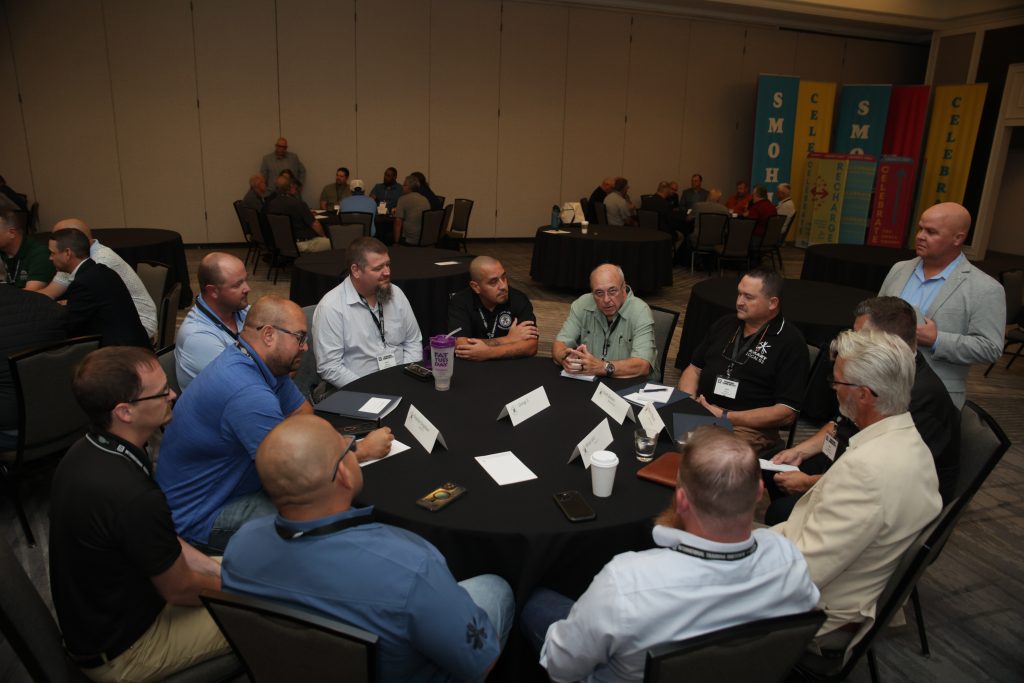
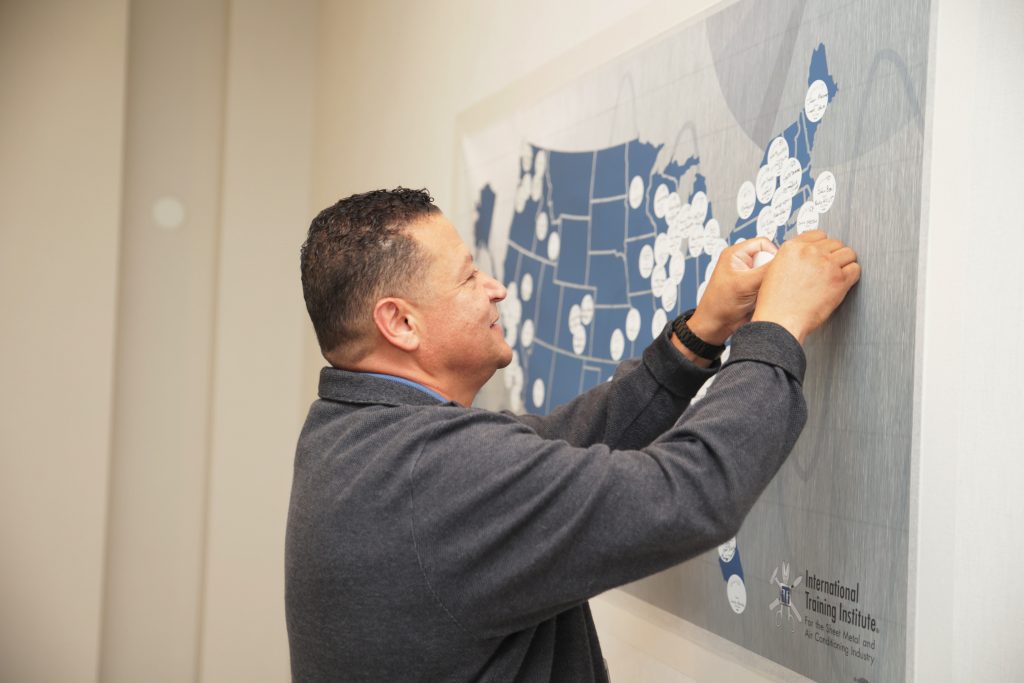
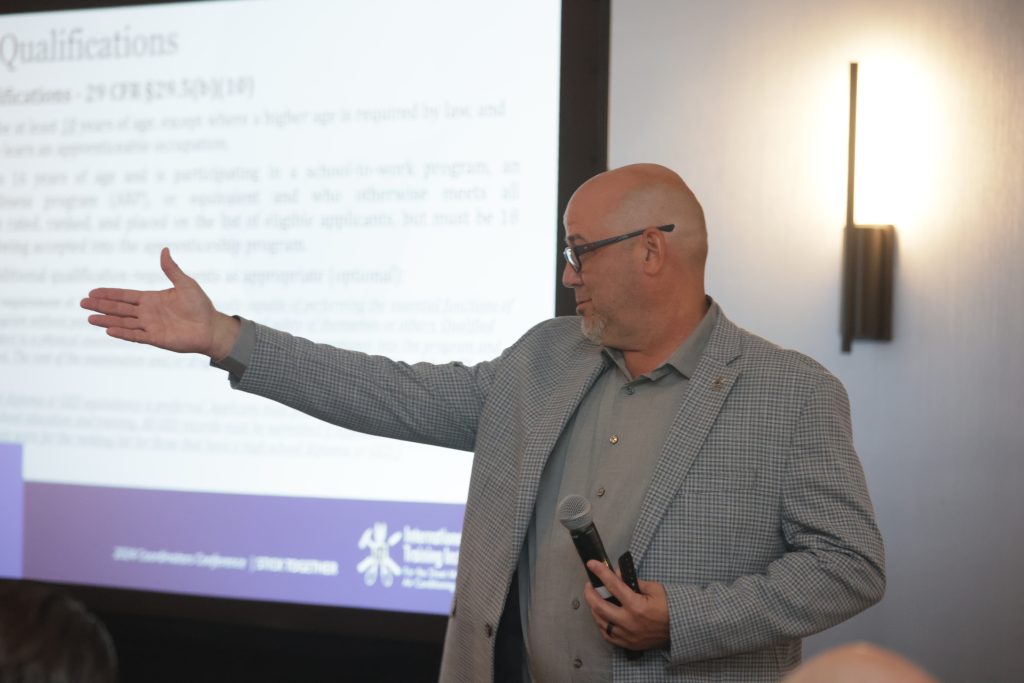
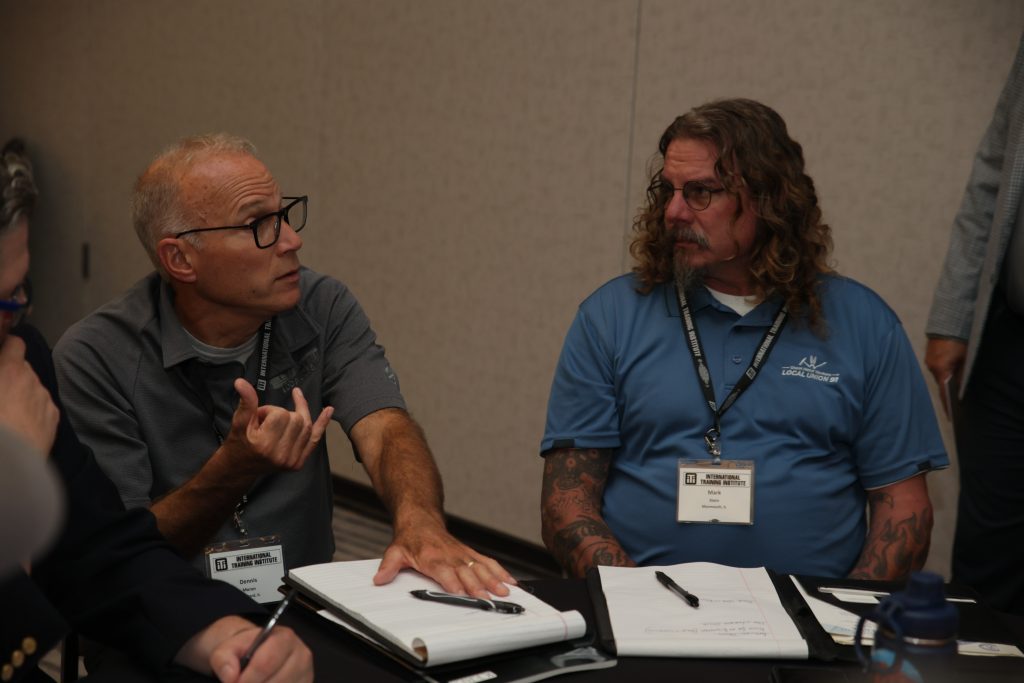
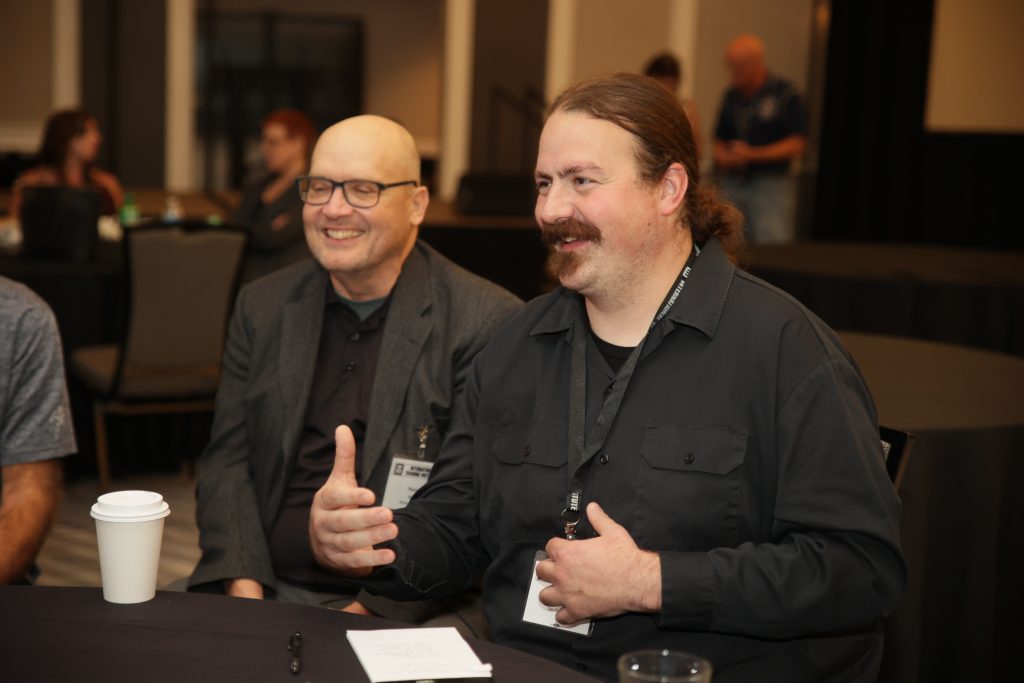
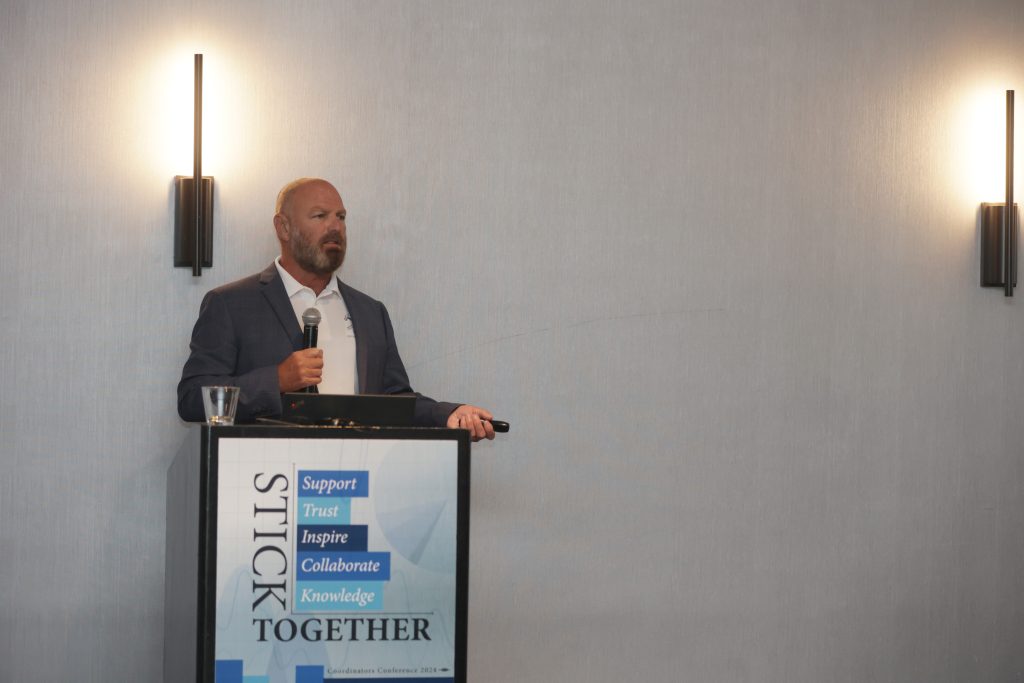
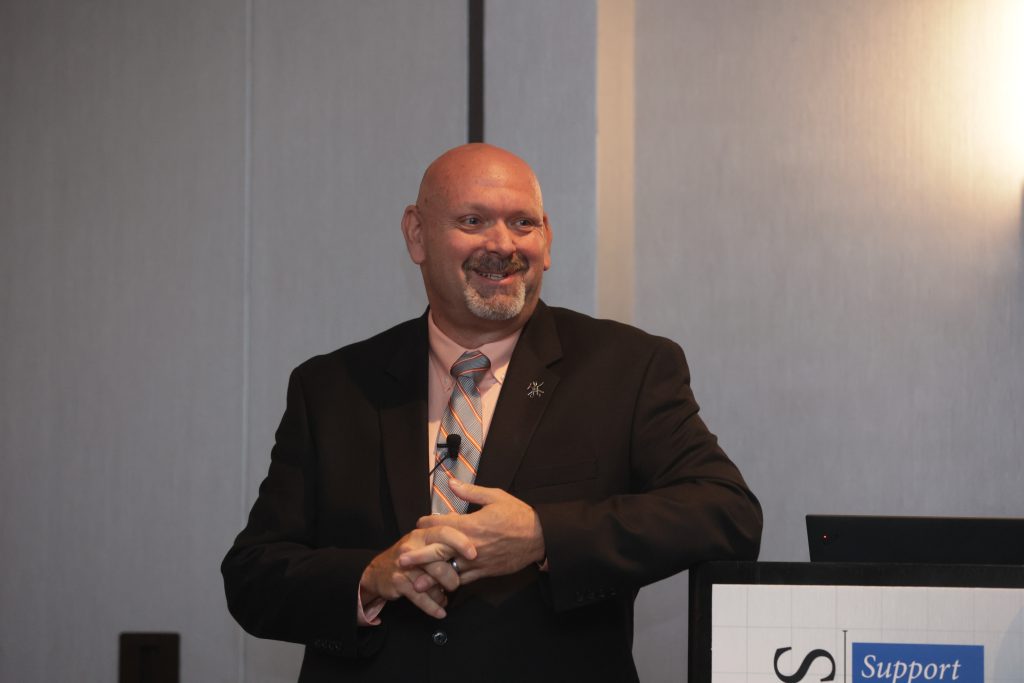
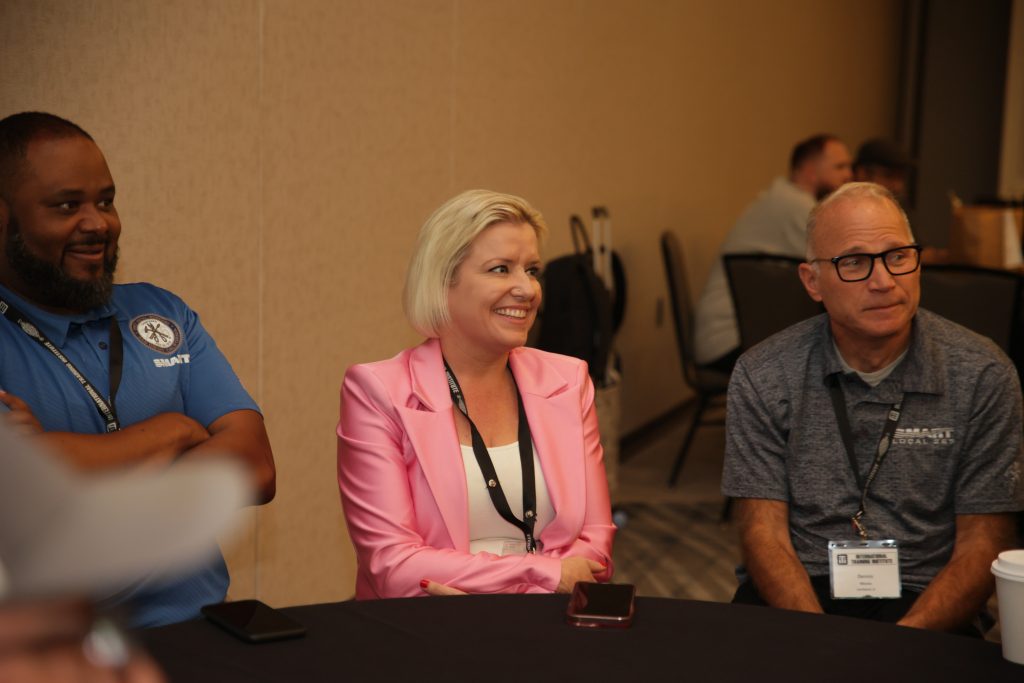
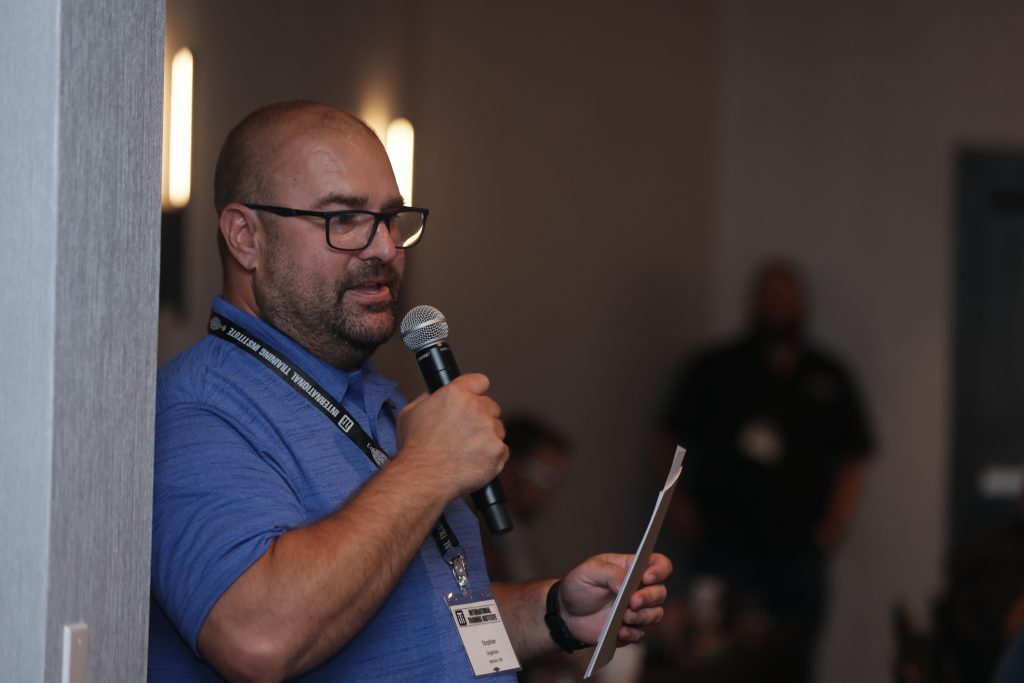
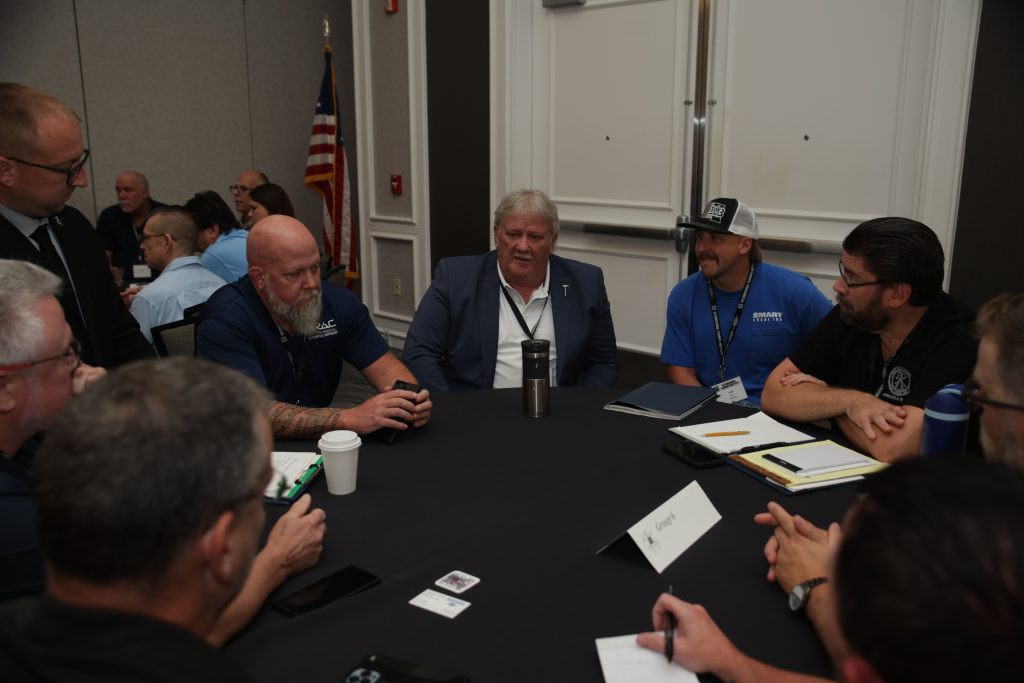
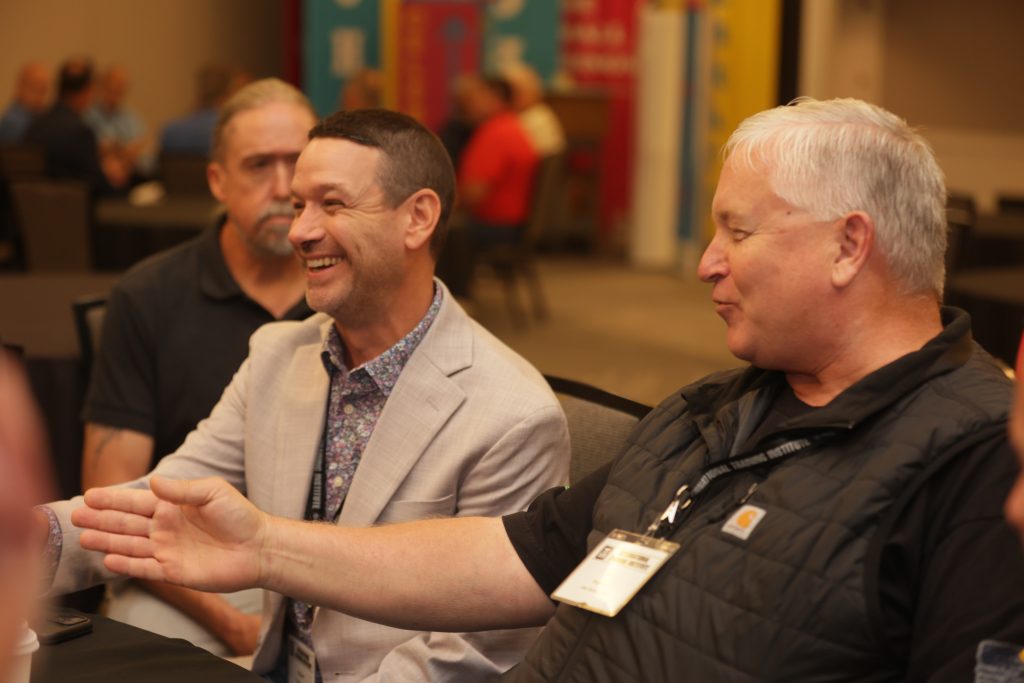
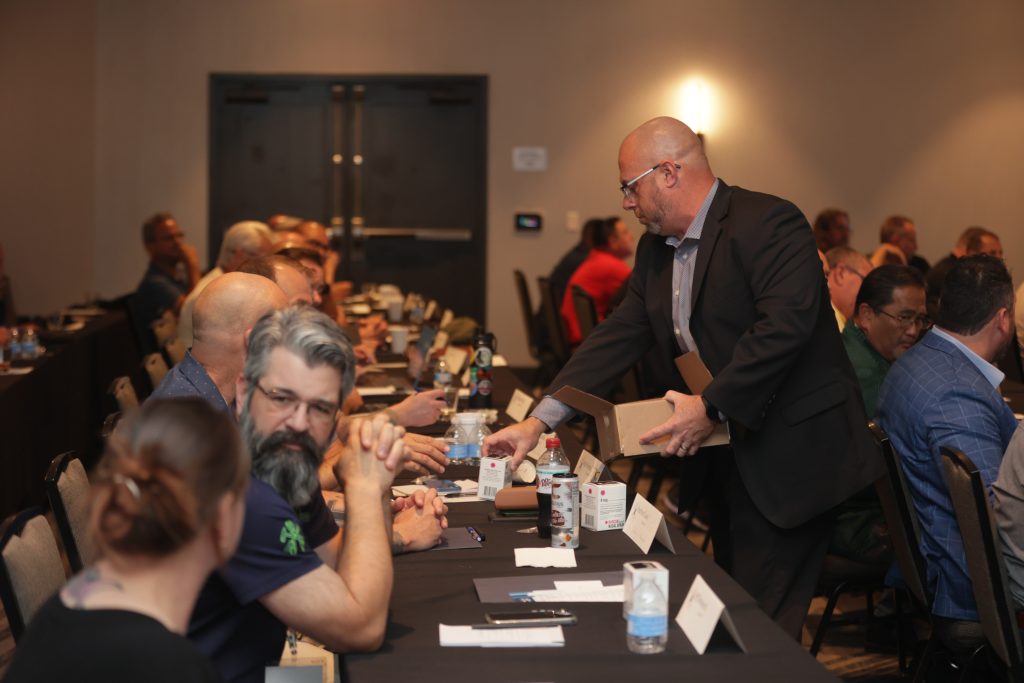
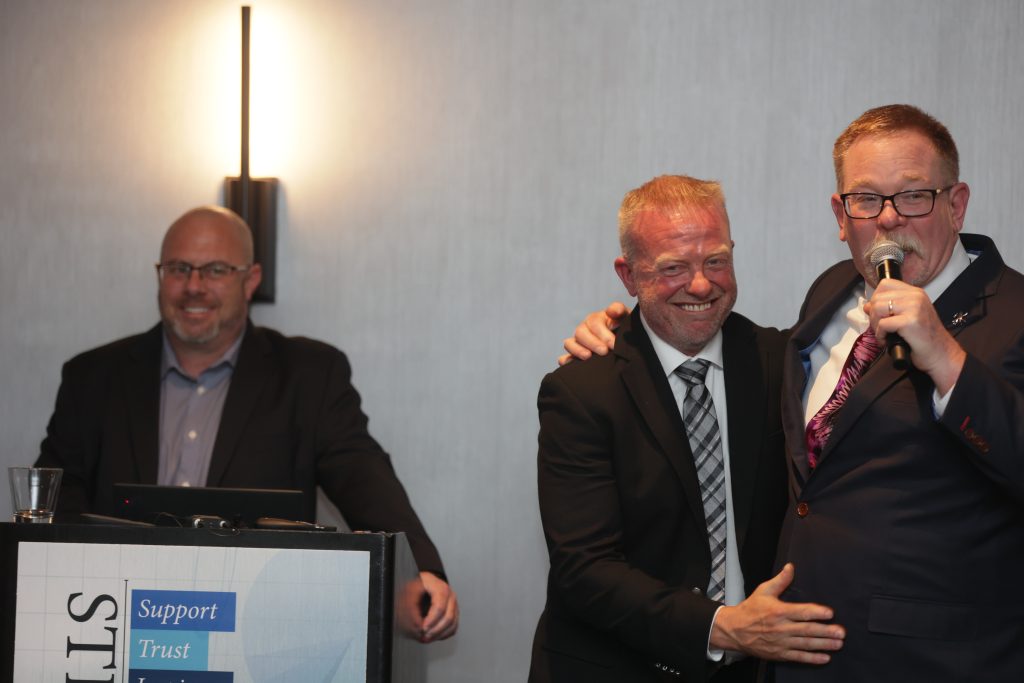
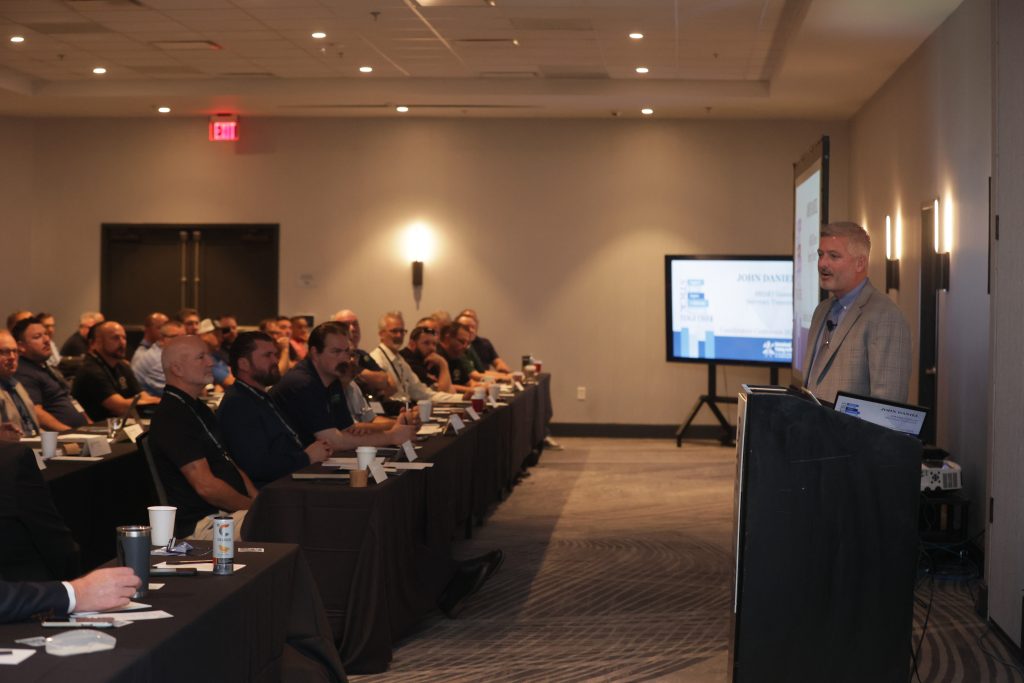
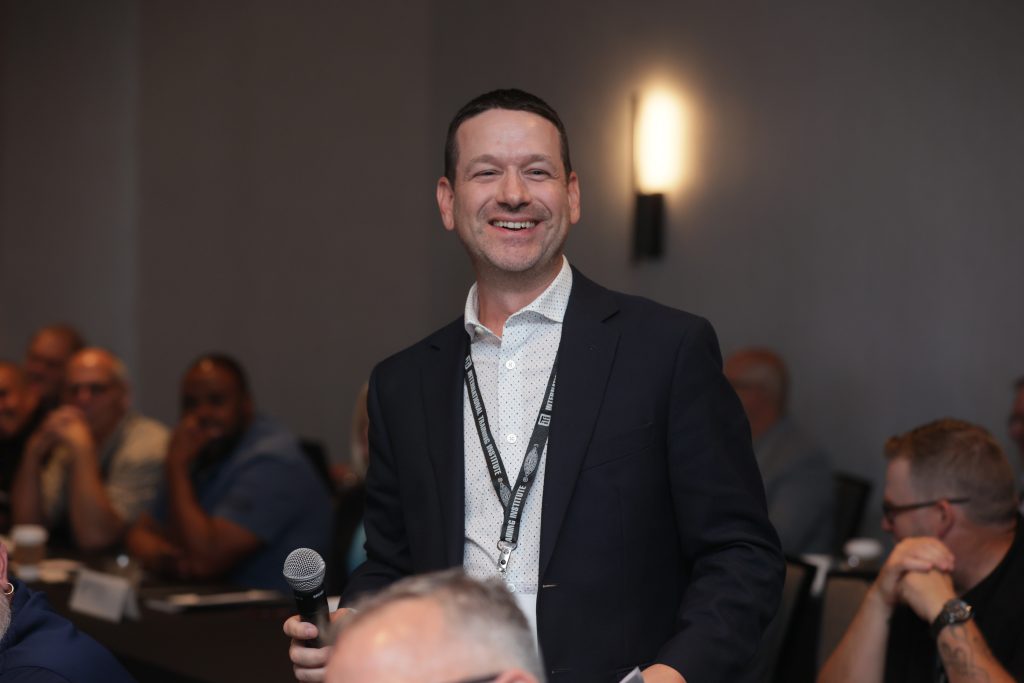
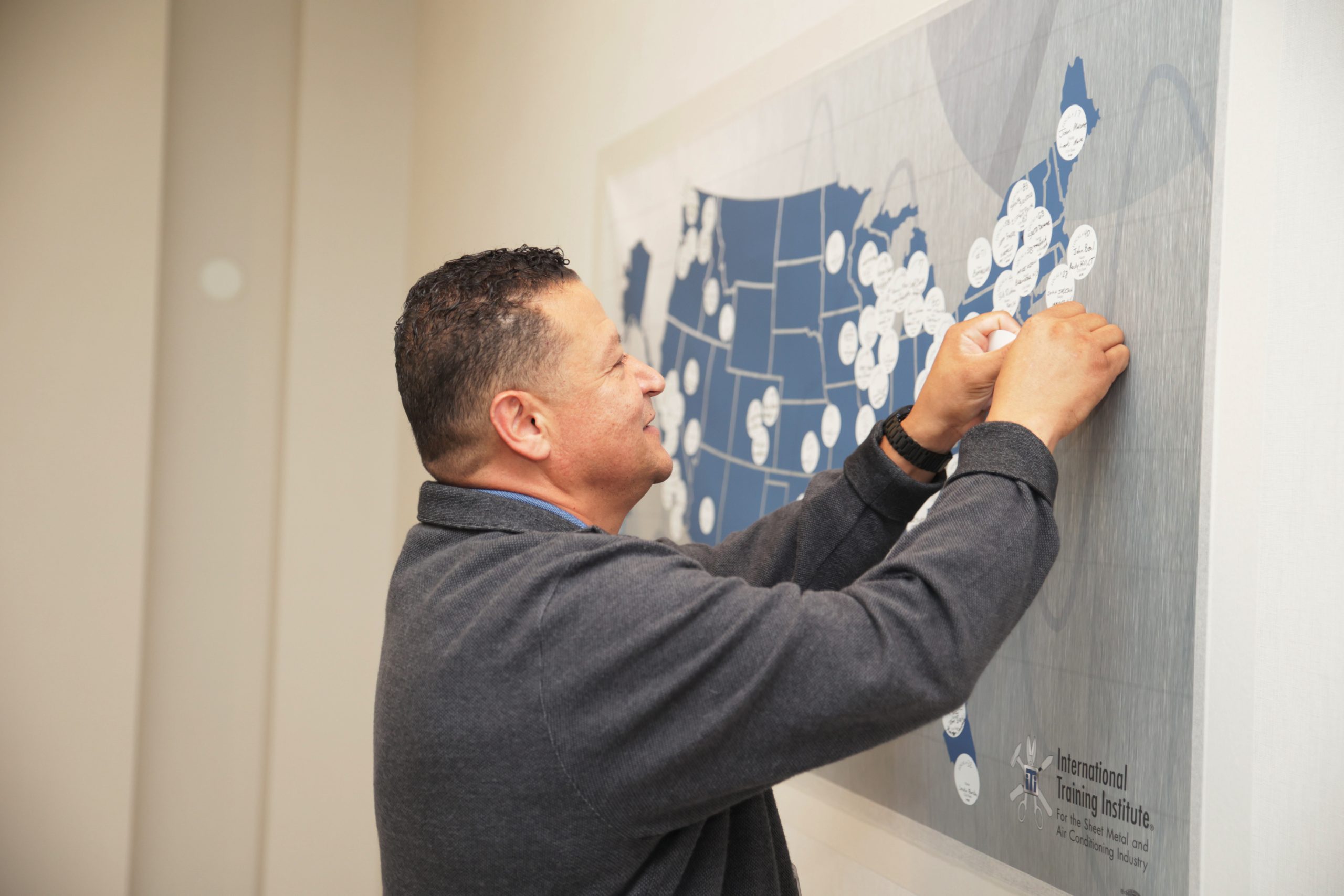
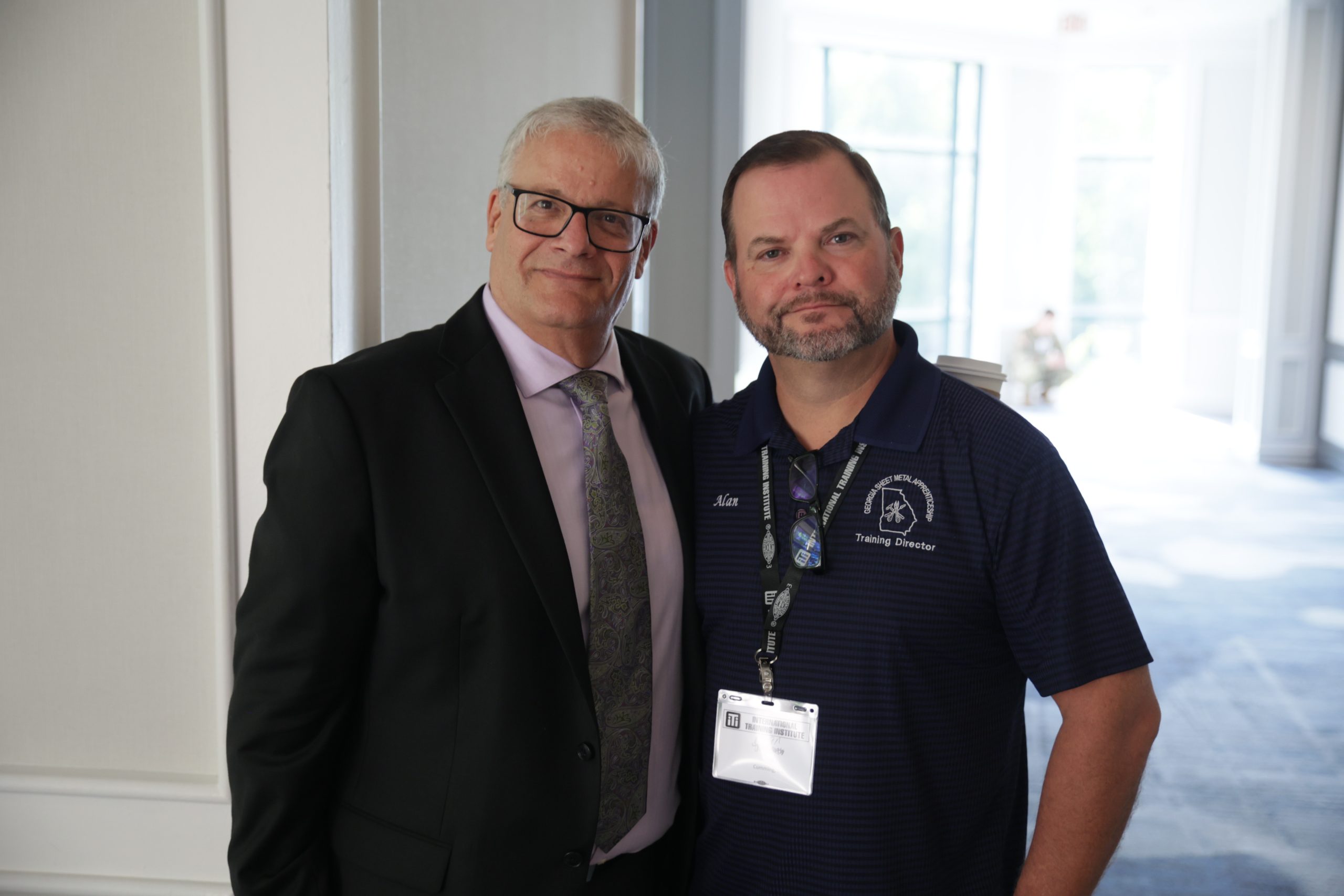
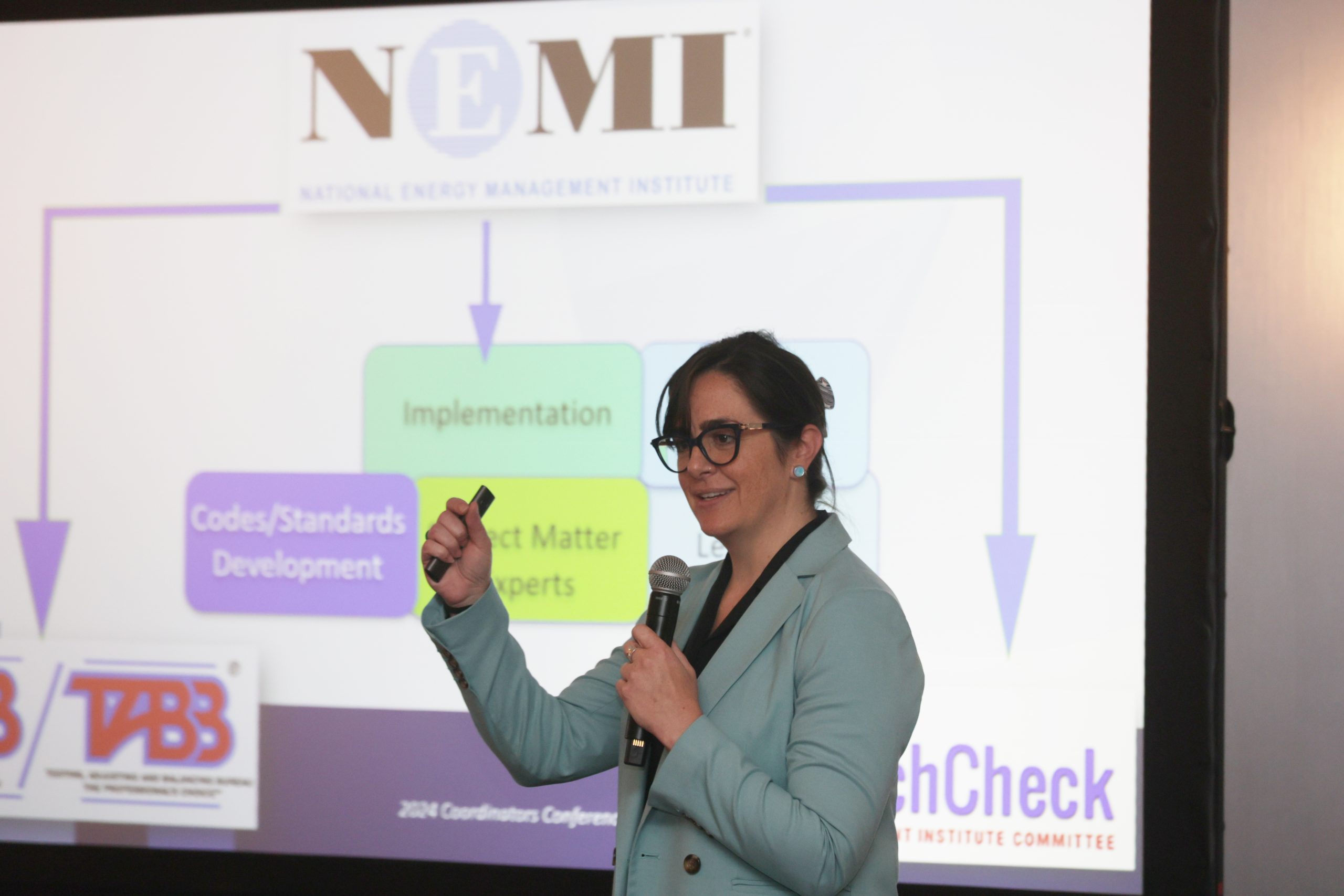
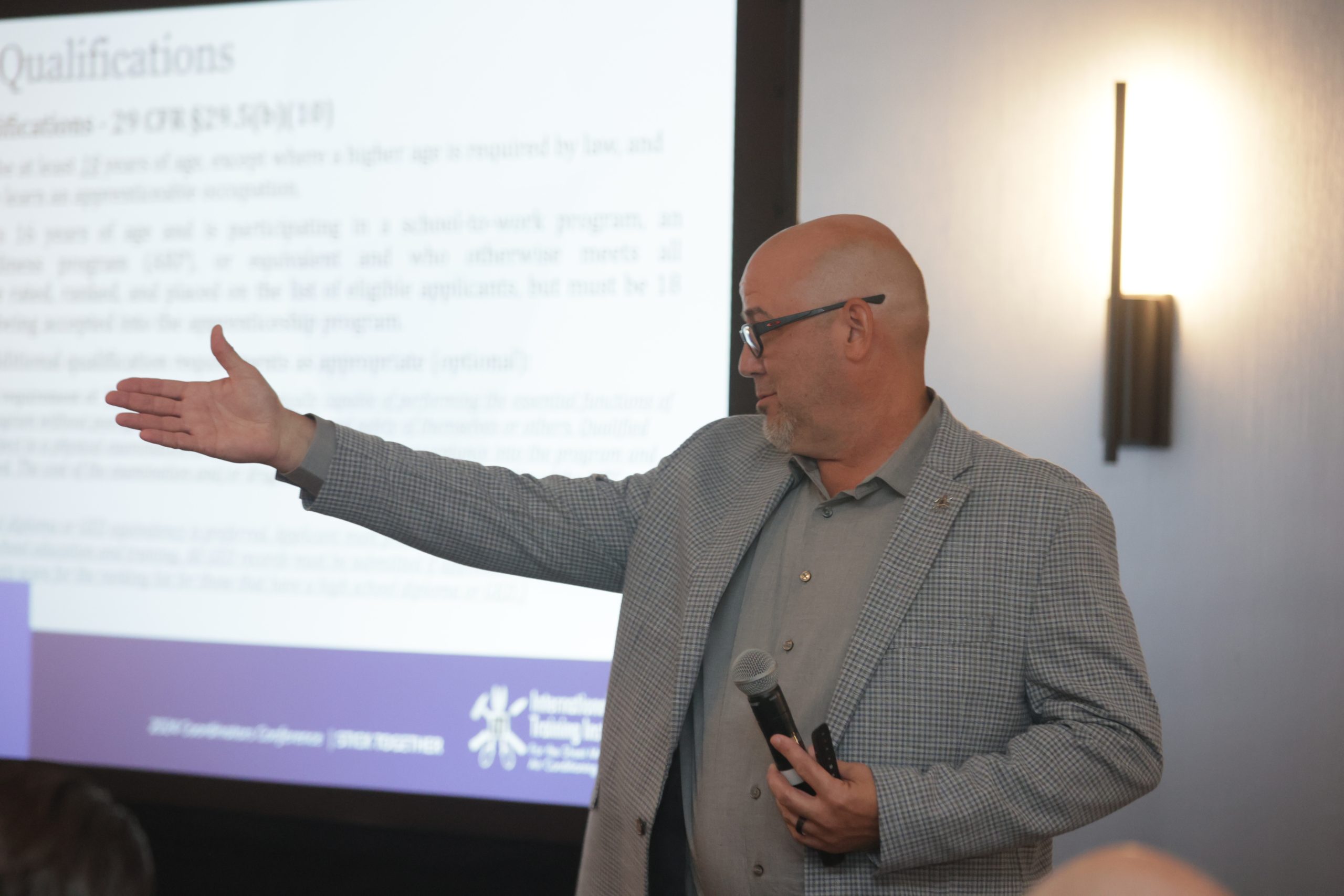
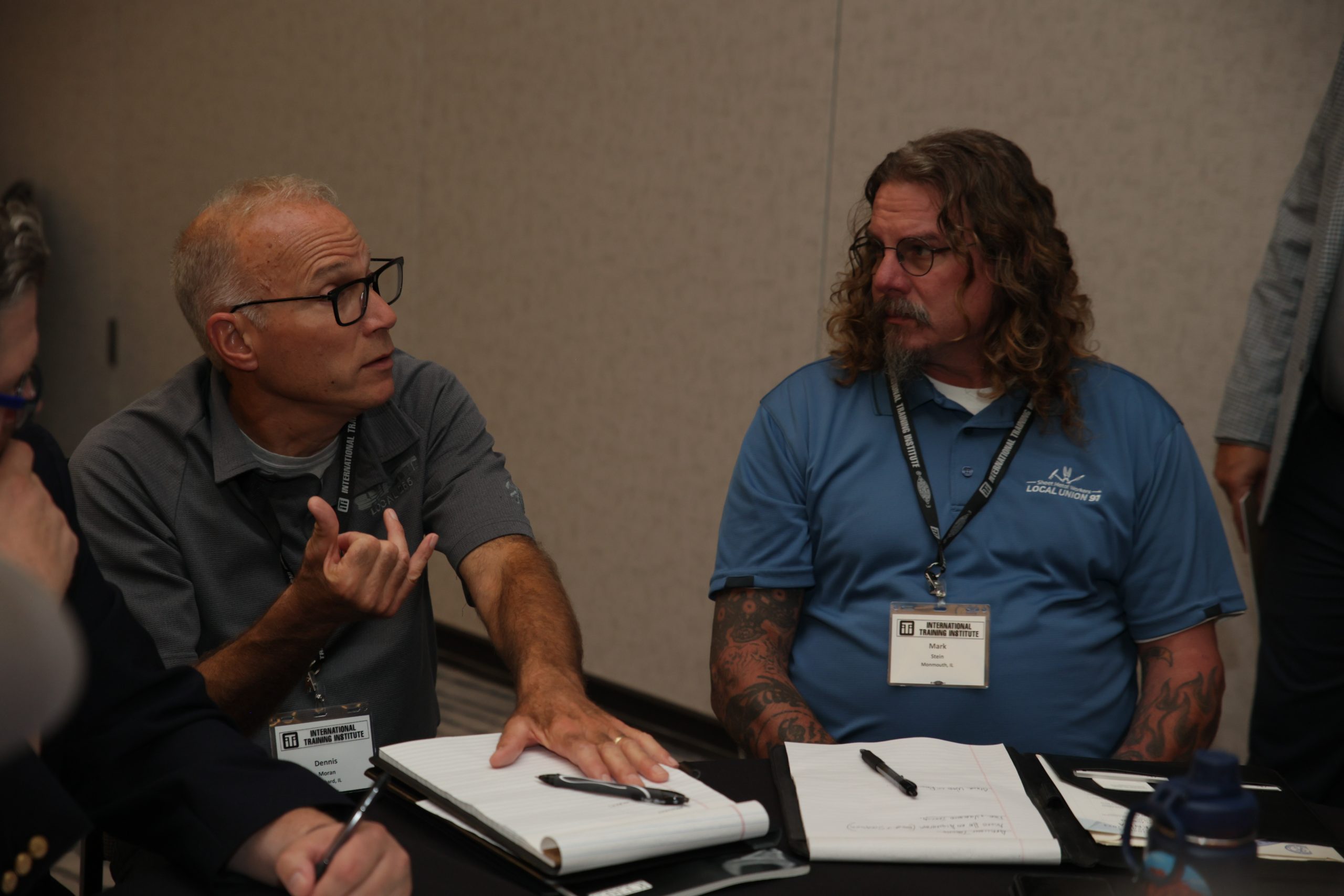
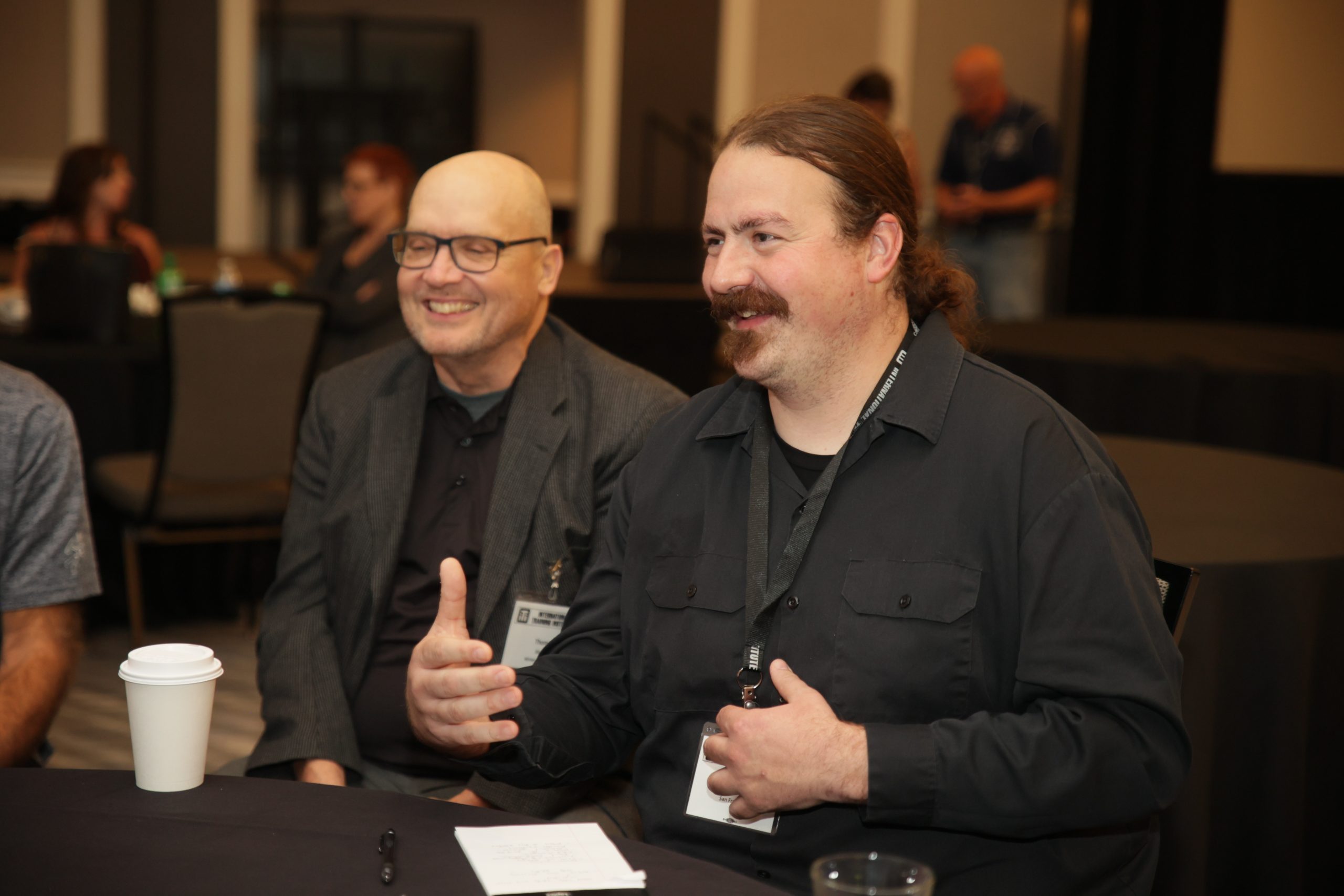
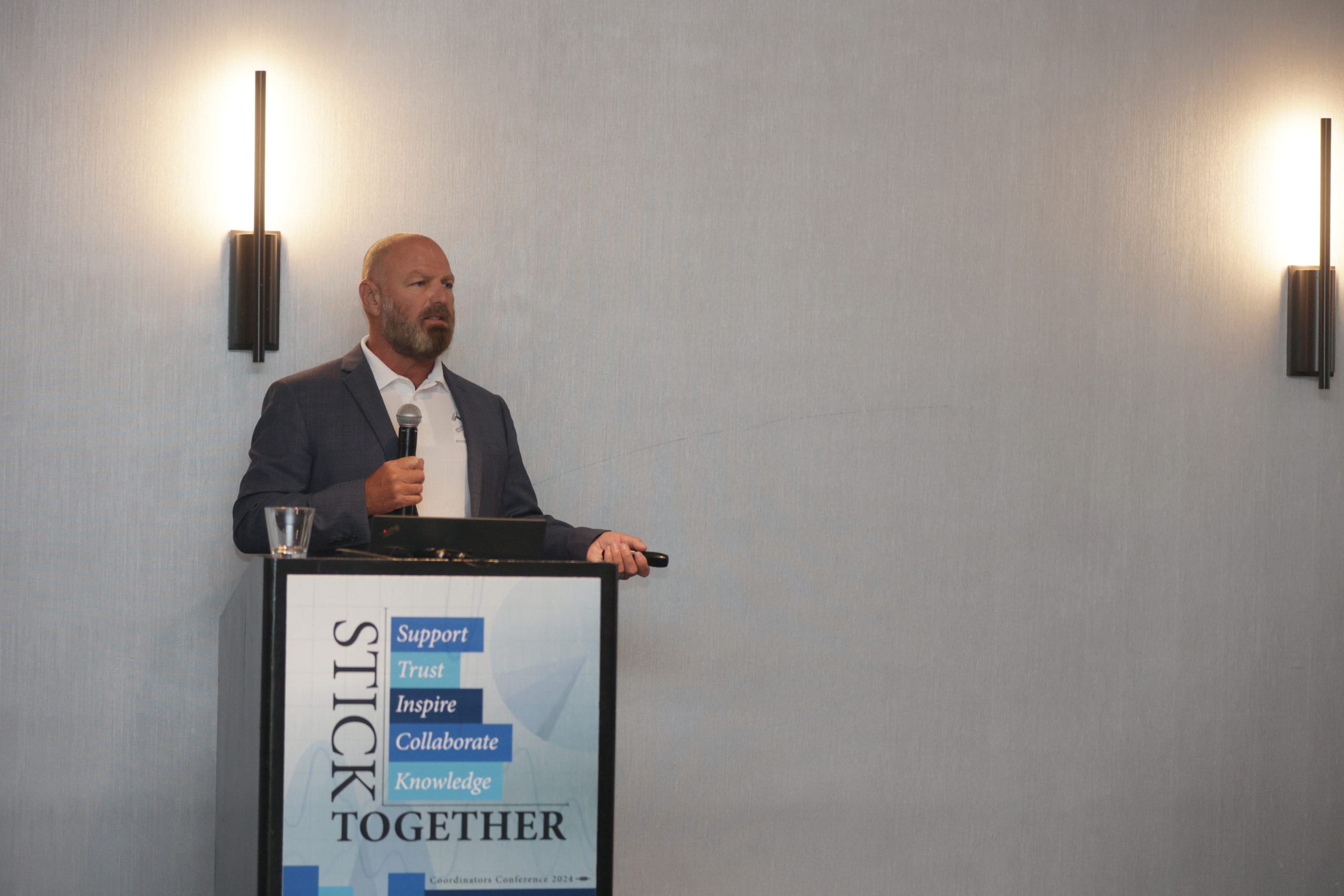
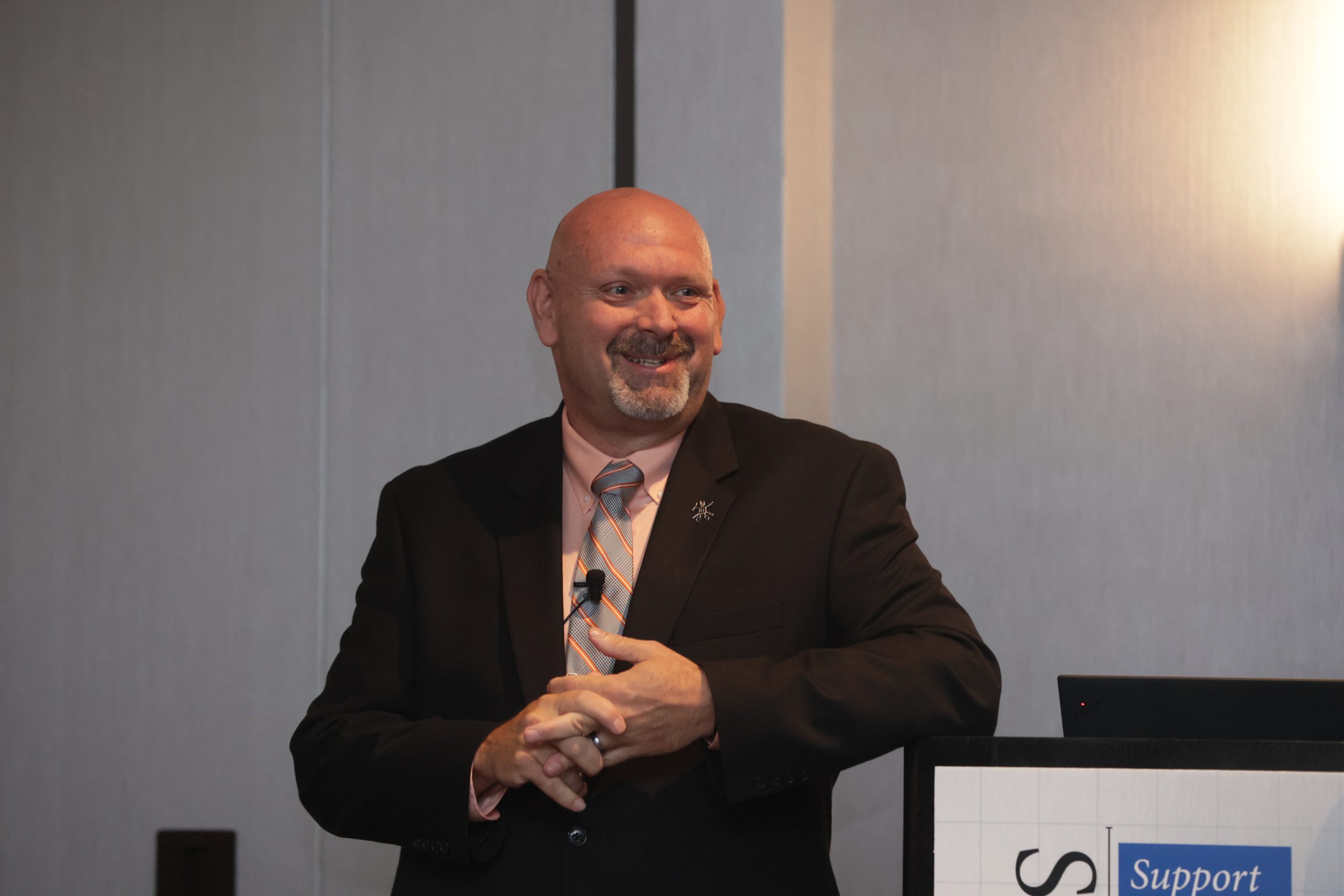
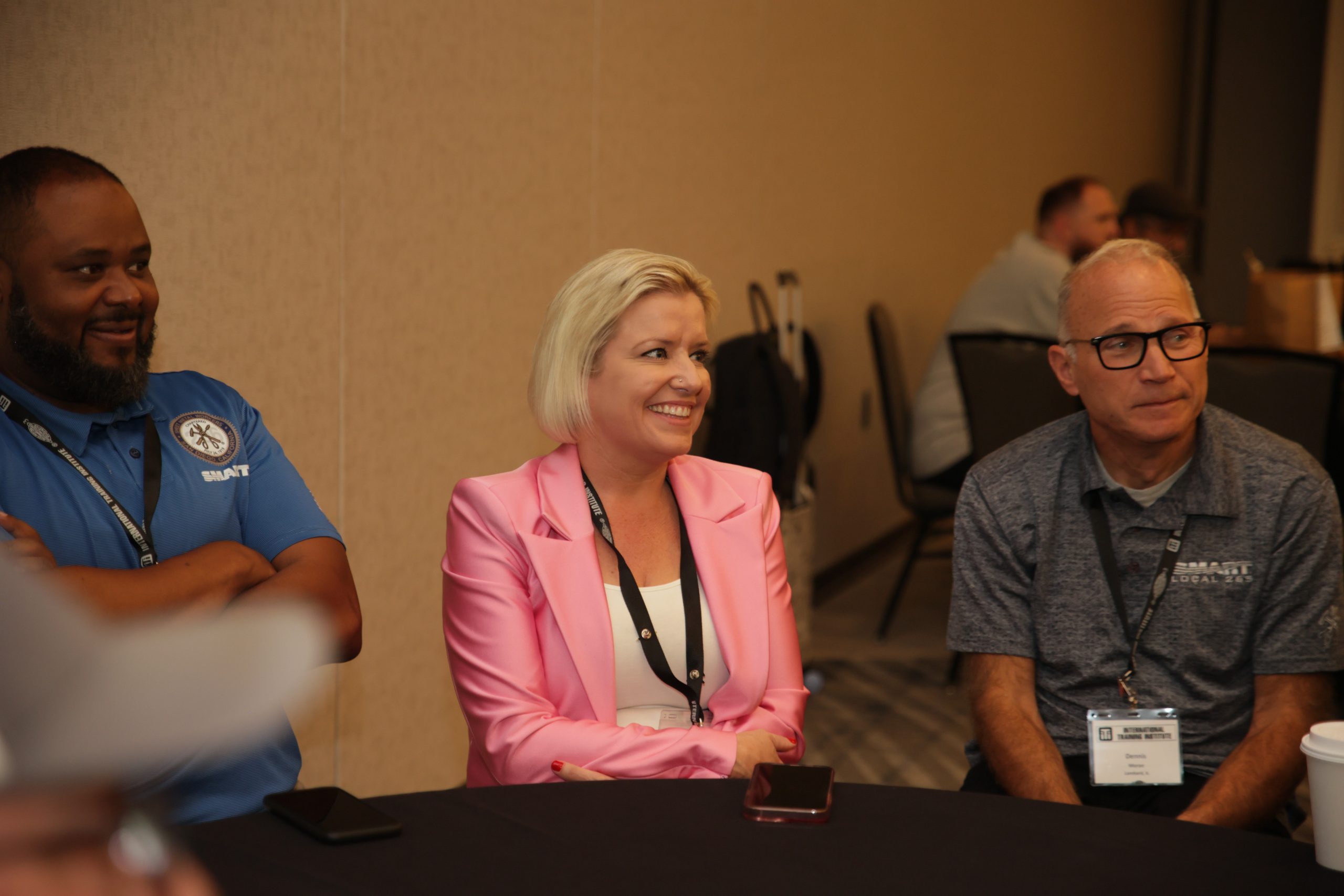
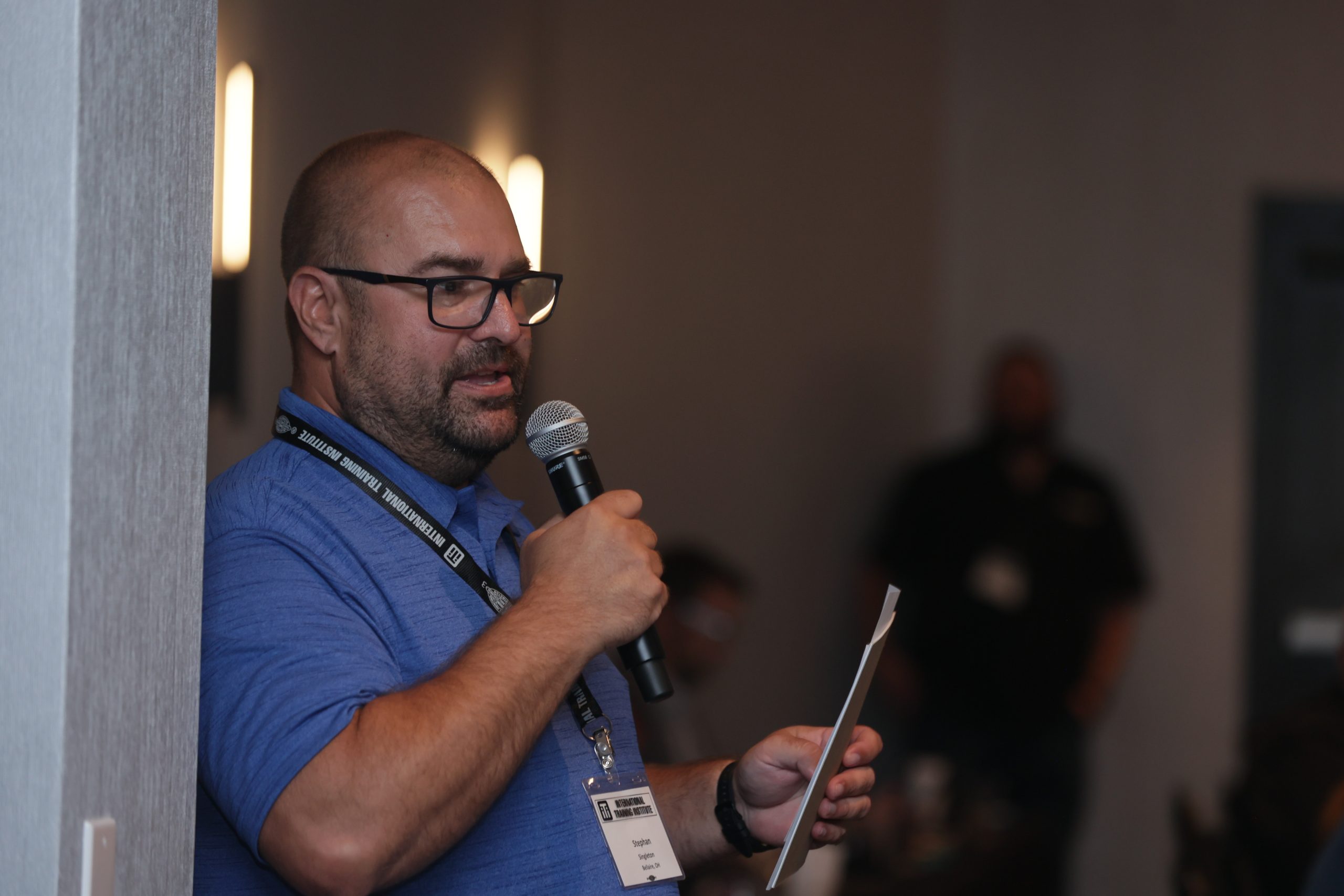
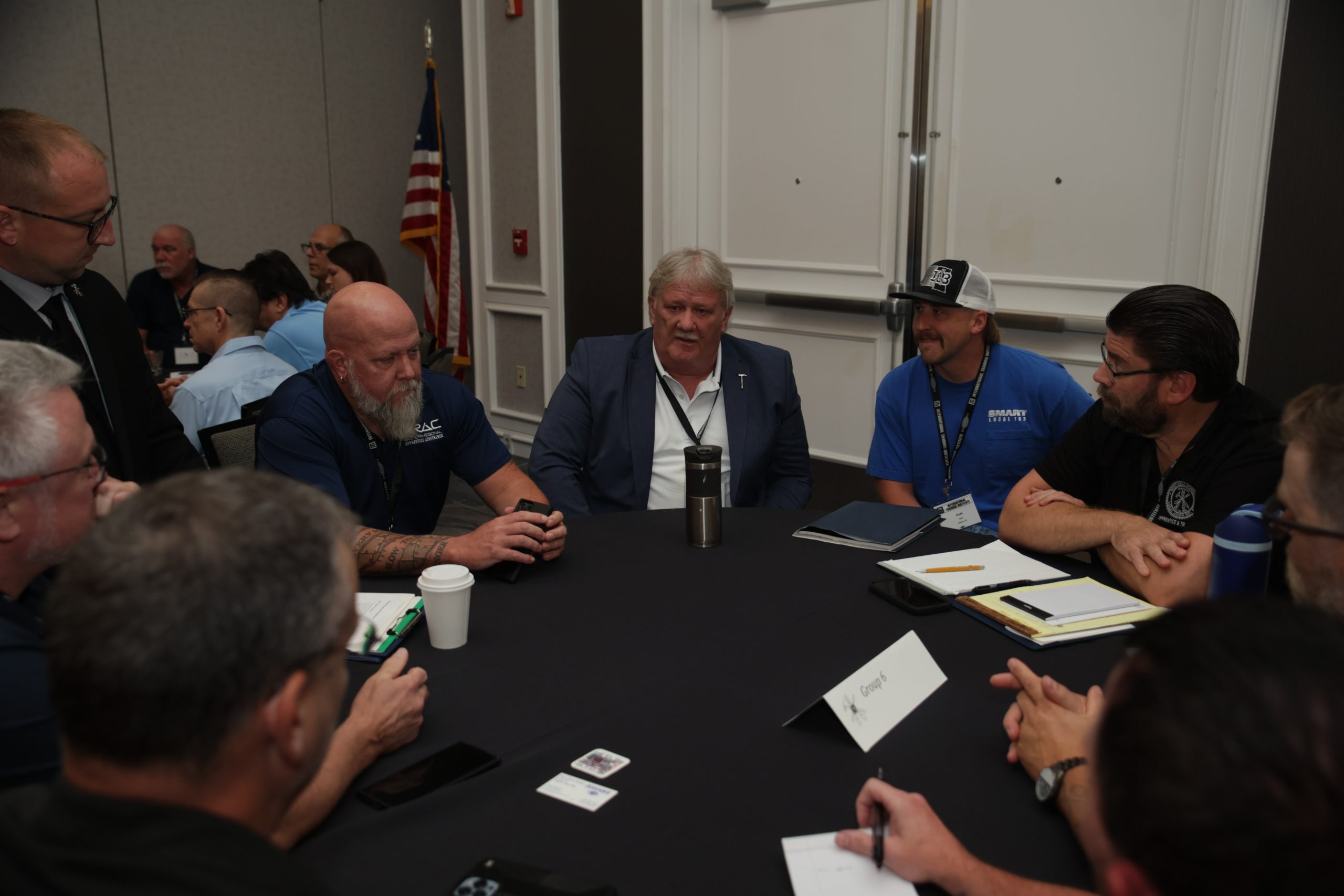
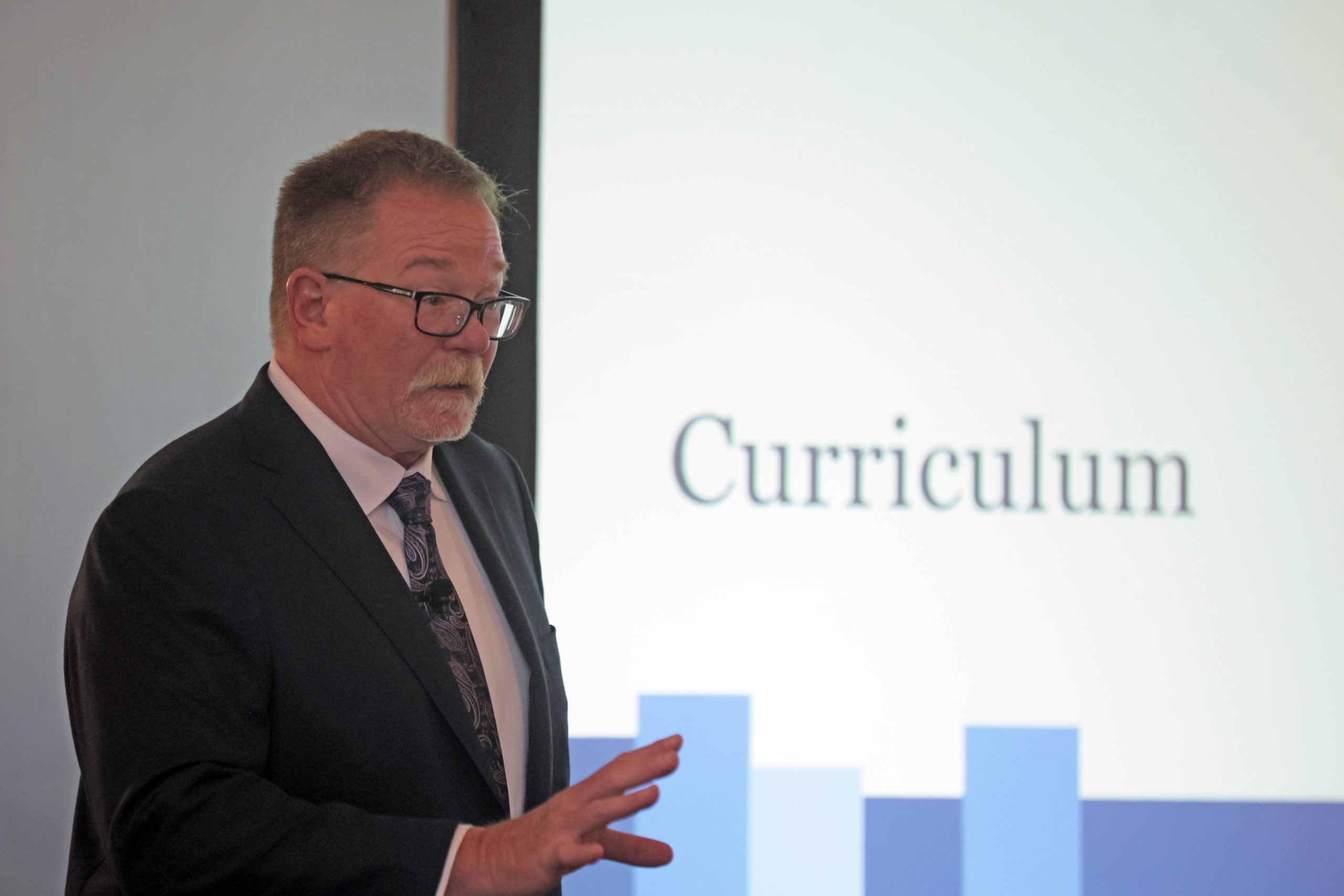
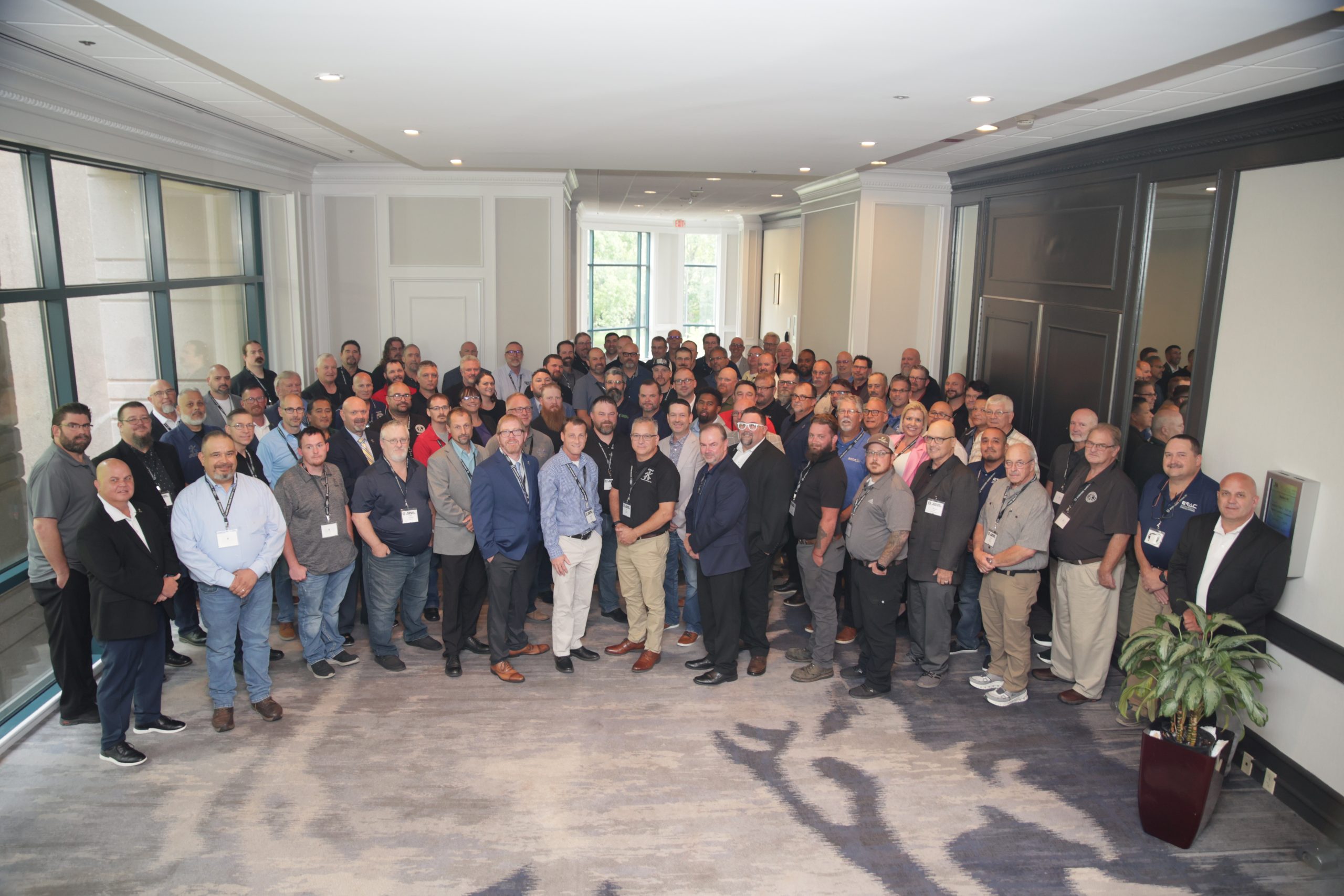
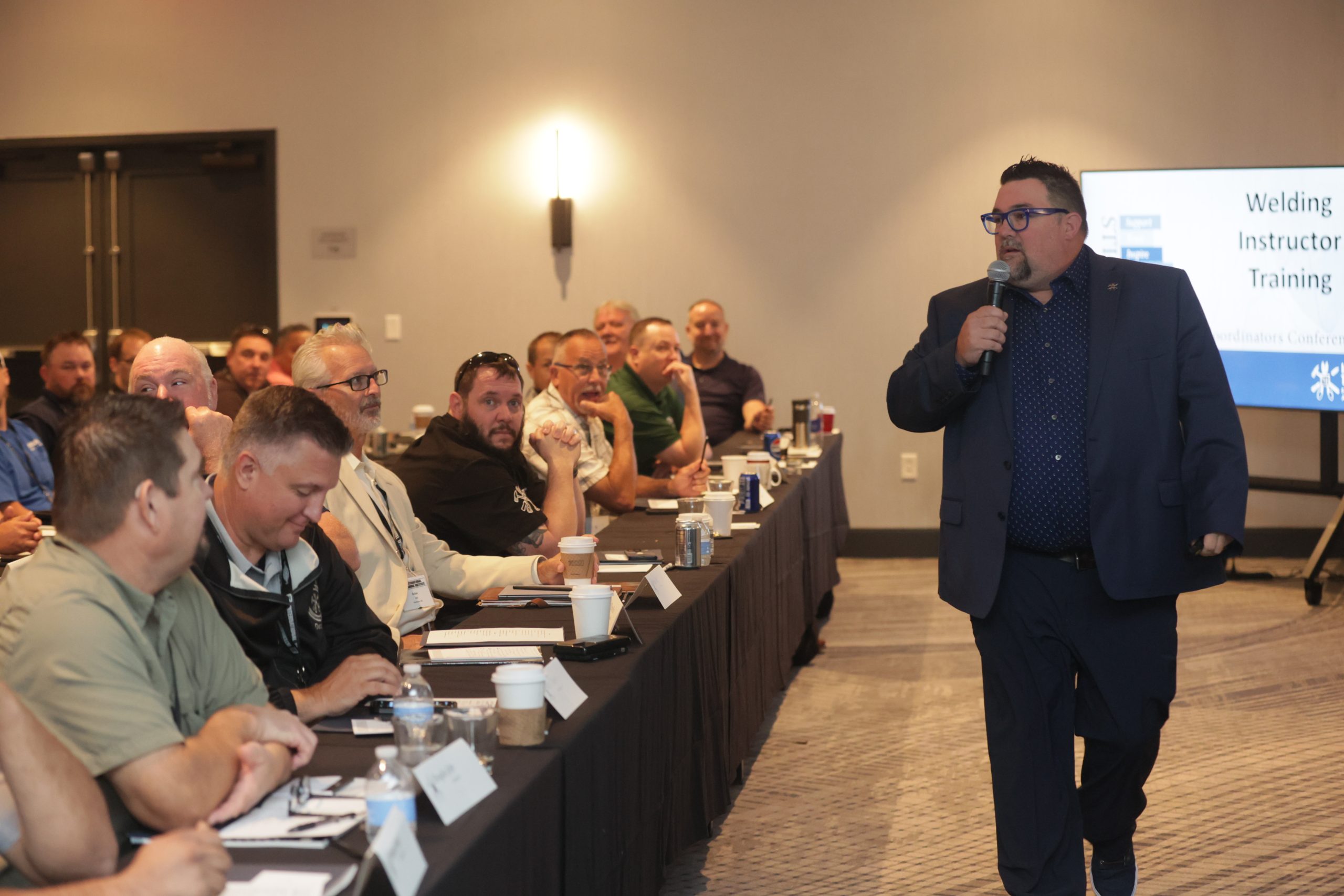
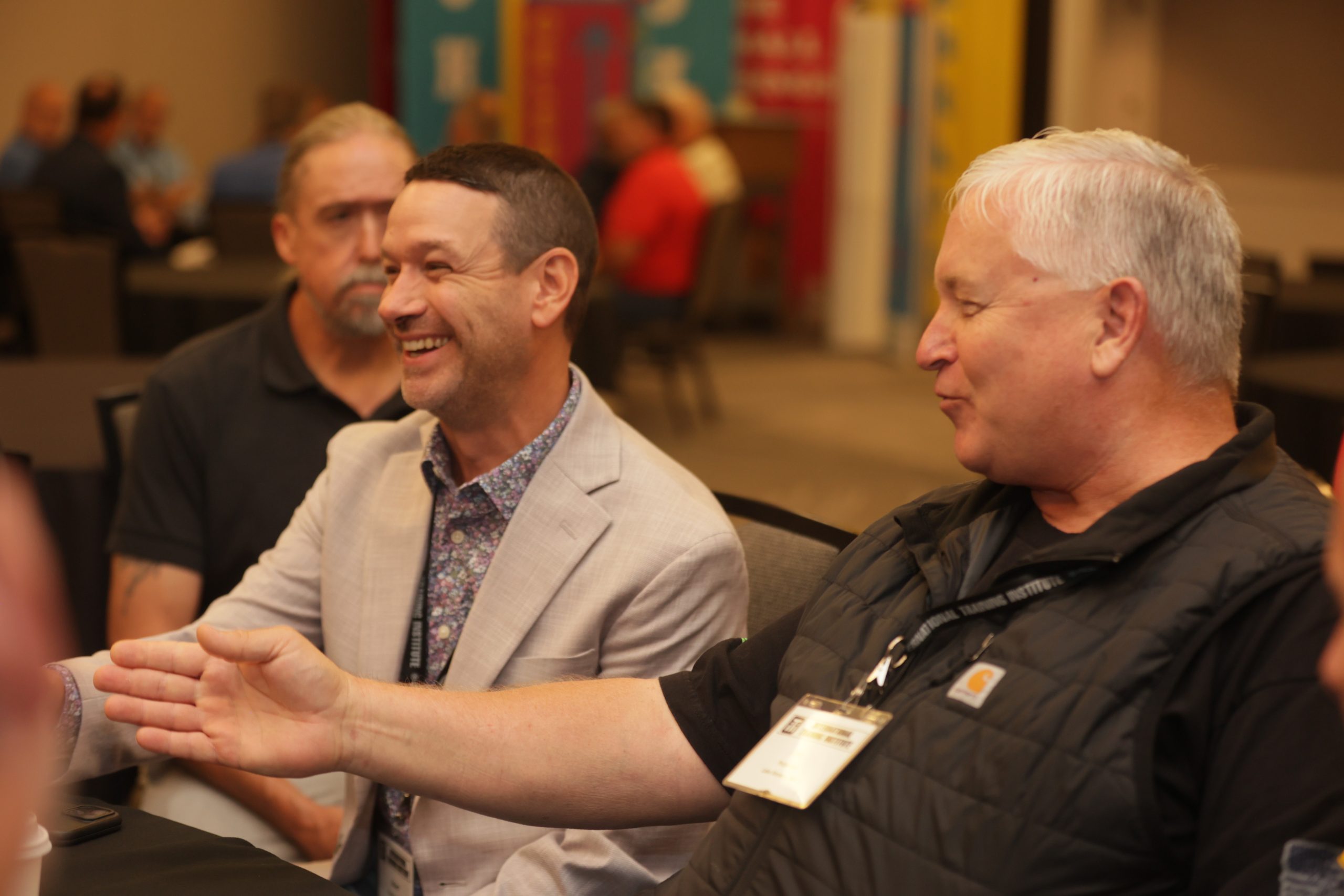
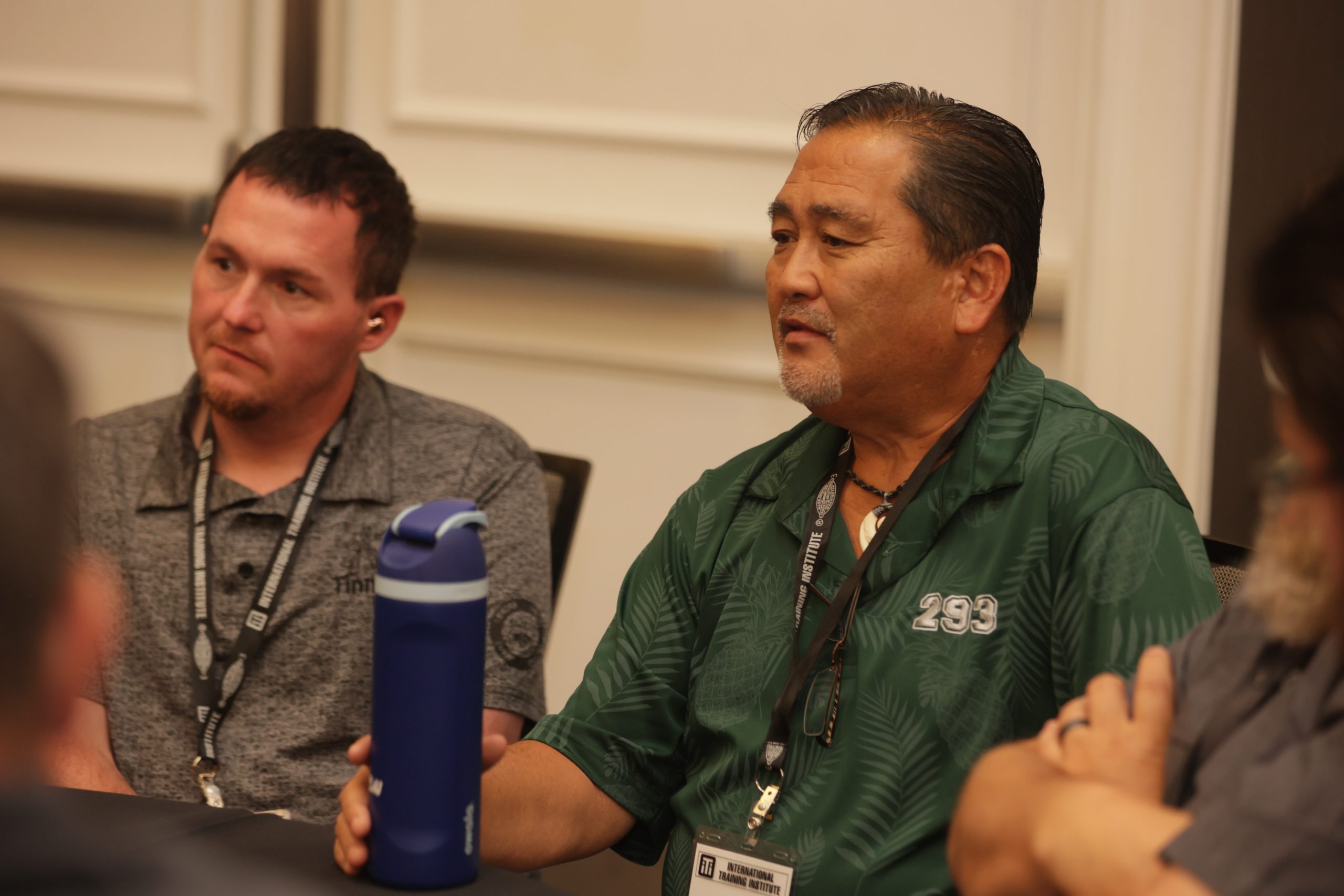
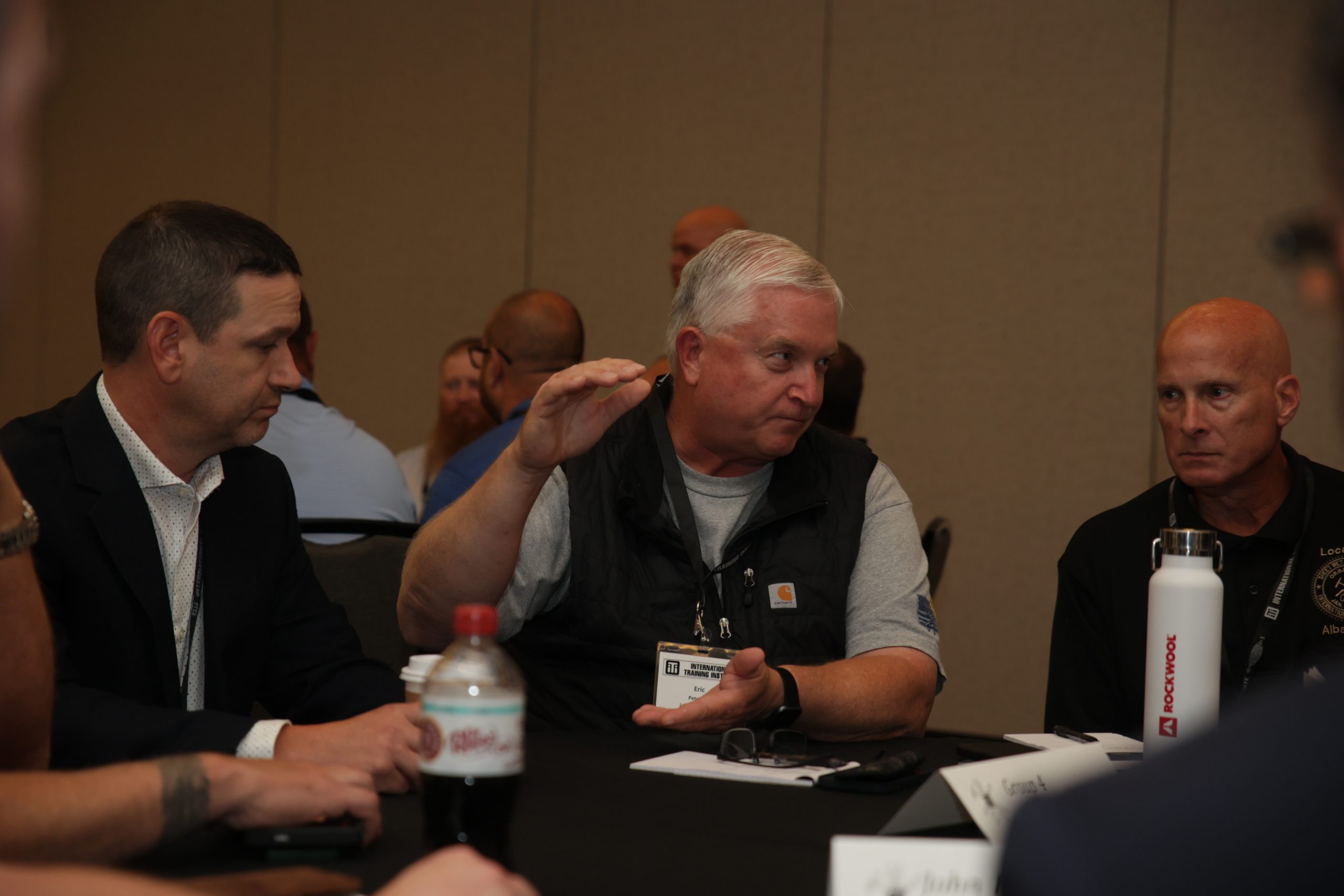
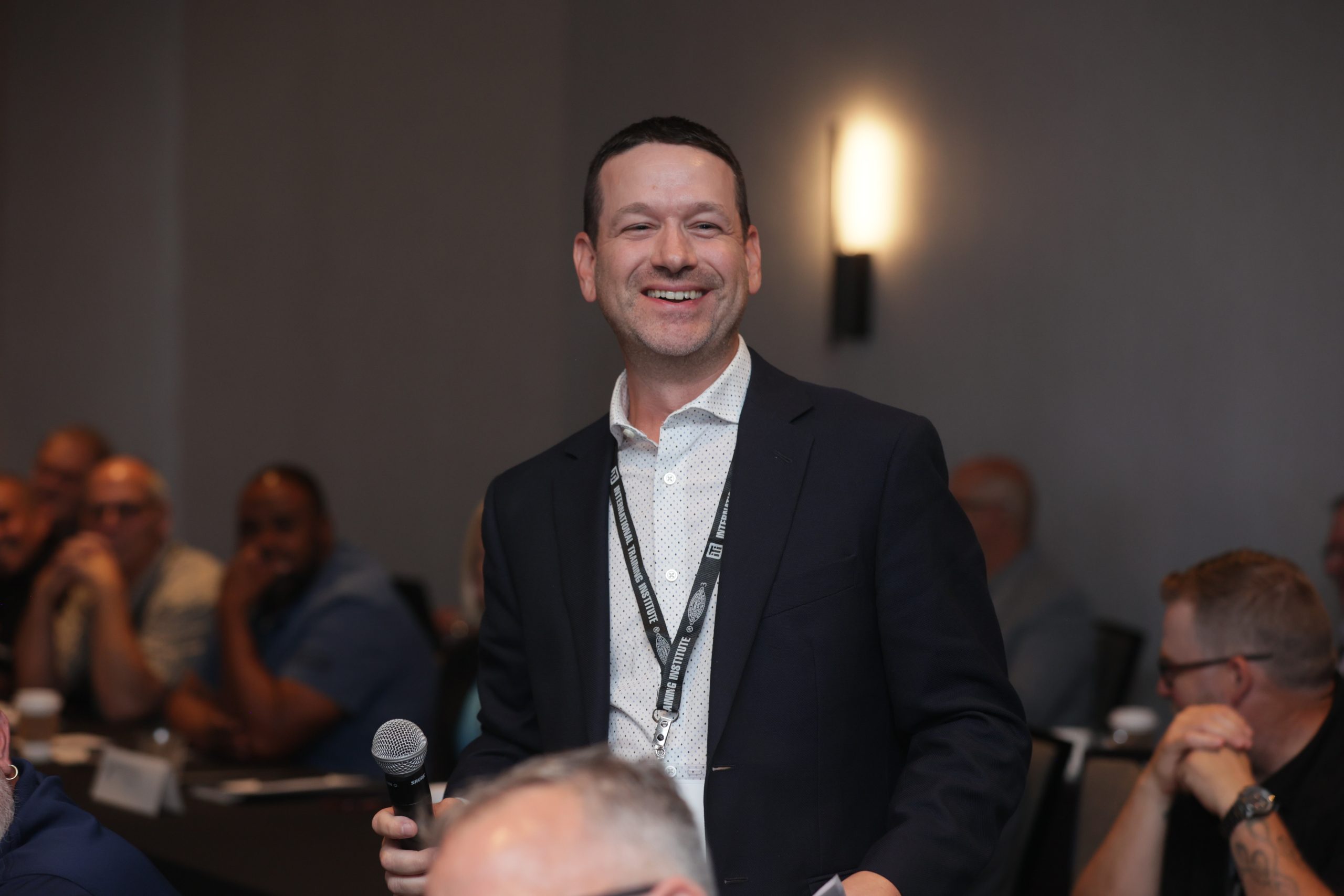
More than 80 sheet metal training directors and coordinators from across the United States gathered in Falls Church, Virginia, Aug. 26-27 for the annual ITI Coordinators Conference.
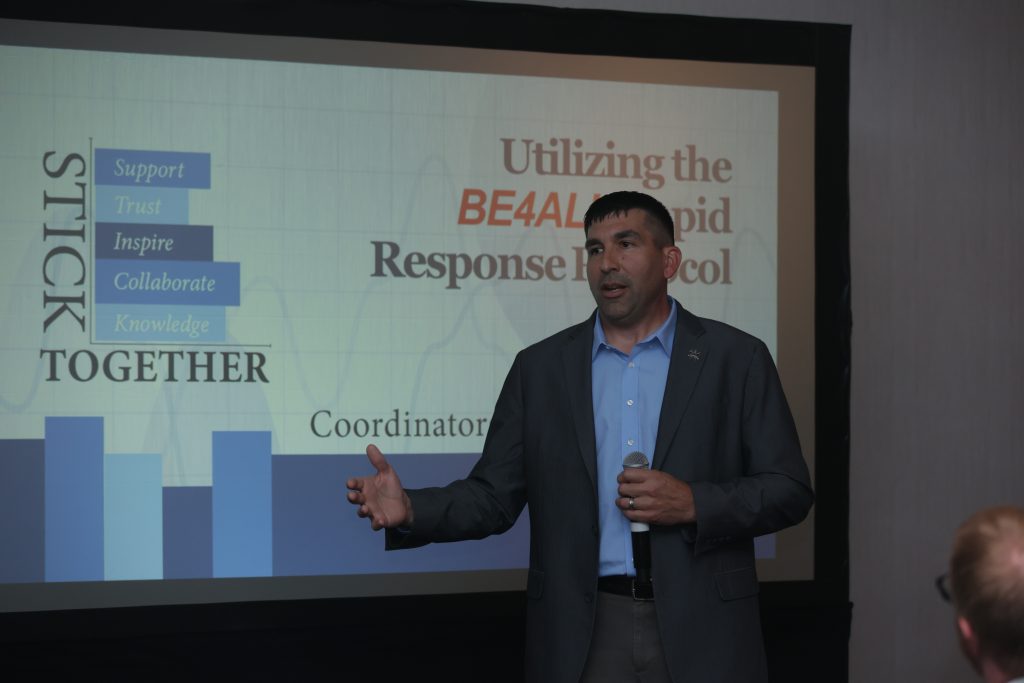
The ITI, the education arm of SMART, welcomed the heads of apprenticeship training, encouraging them to STICK Together, through key concepts of “support, trust, inspire, collaborate and knowledge,” which was the theme of the conference.
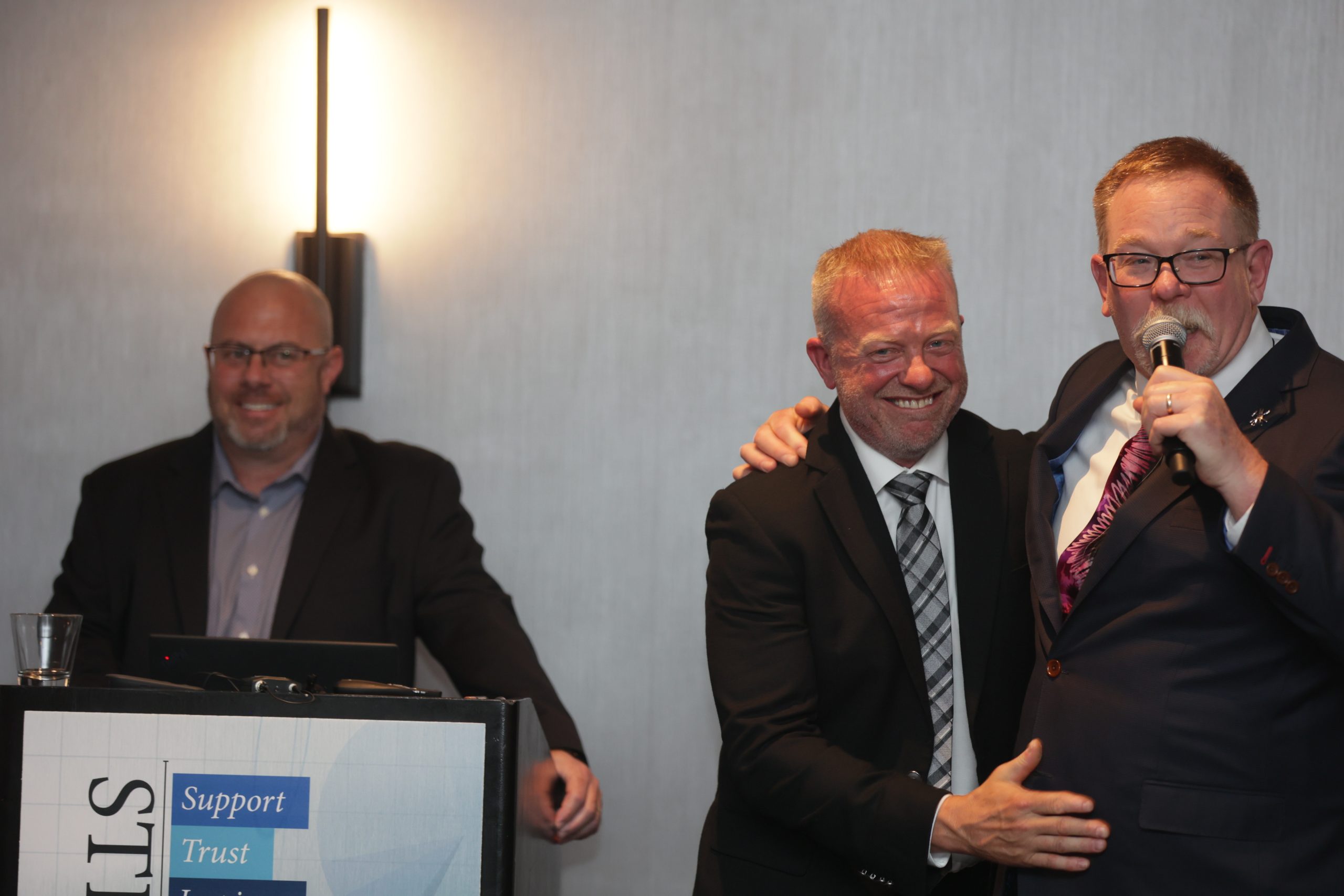
“Any time you’re in a group with like-minded people, this is the time to collaborate,” said Mike Harris, ITI administrator, in his opening remarks. “This is a place where you can support each other, you should be able to trust each other. You all have the same issues, the same problems you deal with. Hopefully, this week, you’ll find some inspiration to take back with you. It’s the collaboration that makes us stronger. I think that’s what we’re all about — it’s about sticking together.”
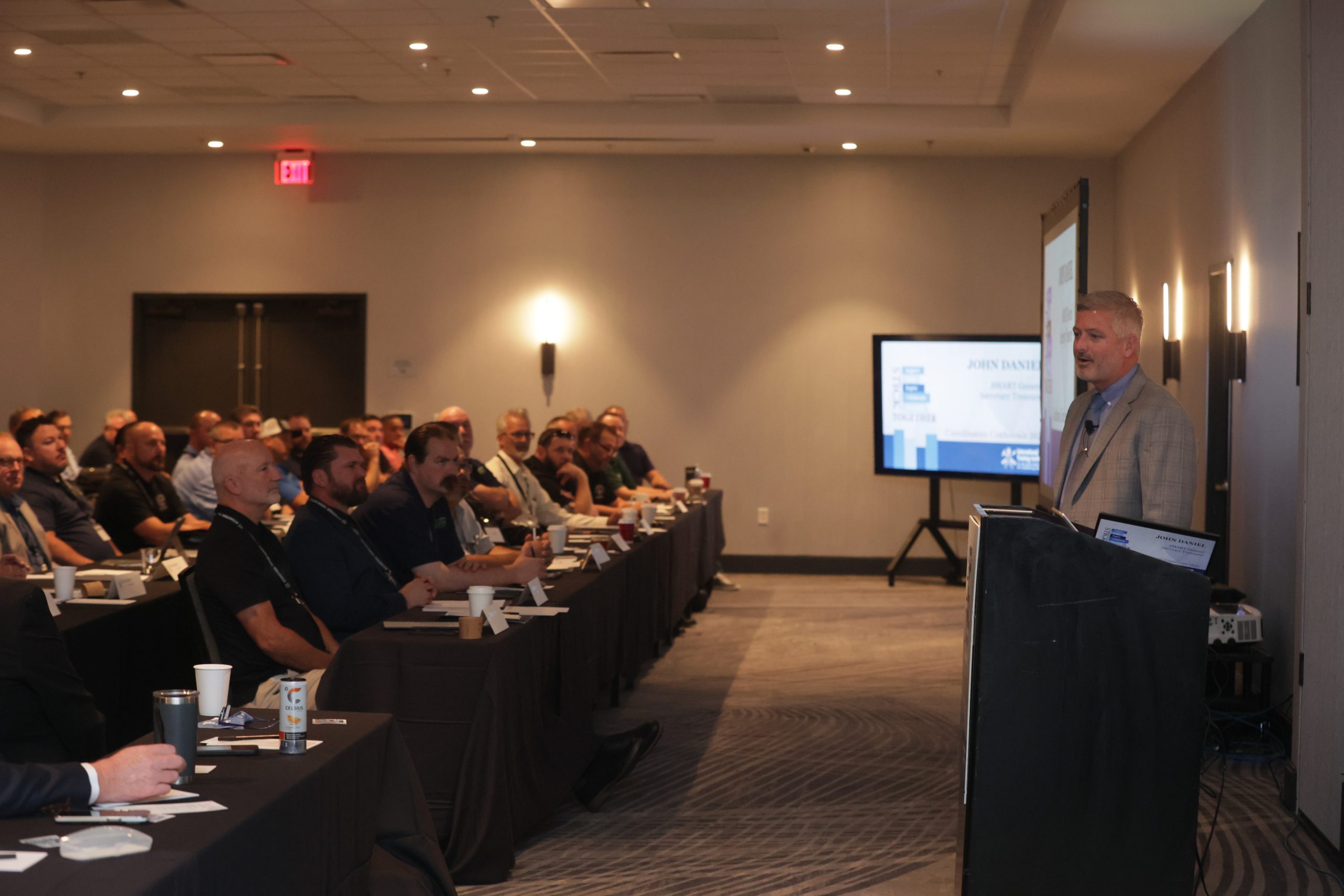
SMART General Secretary Treasurer John Daniel echoed that sentiment and added, from the top leadership to the apprentices, everyone is in this industry to do the same thing — encourage the next generation, increase work hours and continue to move forward to leave the industry better when they retire than how they found it.
“That’s who we are. We’re just a group of people who are trying to make the industry better, from the bottom to the top,” he said. “The STICK Together component is critical. We don’t have time to be in auto pilot at any level of our organization. Things are changing too quickly.”
Most sheet metal workers begin in the industry as pre-apprentices or apprentices, learning the trade on the jobsite and in the classroom. It’s that time in the classroom that can be pivotal in the development of that apprentice into a journeyperson and possibly a leader in the industry.
“Don’t be afraid to challenge. It’s not only your job, it’s your responsibility to this organization,” Daniel said. “It can’t look the same when you retire as it did when you got in.”
One way to monitor the state of the construction industry is through “The State of Registered Apprenticeship Training in the Construction Trades,” a comprehensive study by the Institute for Construction Employment Research (ICERES).
The study, presented by Harris, focused on apprenticeship training between 2015 and 2021, and the information was broken down by individual trade, jointly and non-jointly administered programs, gender, race, ethnicity, veteran status, age, education attainment, on-the-job credit, training model and hourly wage at completion.
A copy of the completed study, which will continue to be updated, was made available to all in attendance.
“It’s always good to have statistics behind you,” he added. “It’s pretty much as comprehensive as we can get.”
The National Guidelines Standards (NGS), released earlier this summer and presented at the conference by Craig Reehten, field representative, was developed by the ITI and approved by the Department of Labor, Office of Apprenticeship, to help give all training programs yet another baseline for their apprenticeship programs. The NGS provides apprenticeship directors and coordinators with policy and guidance when preparing individual standards for their programs.
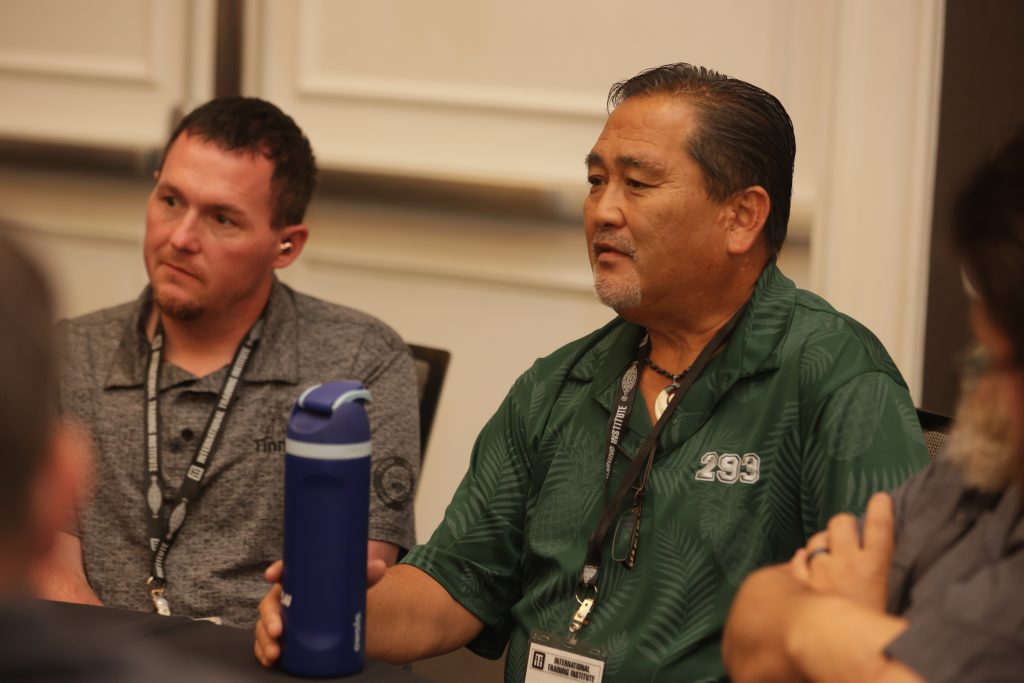
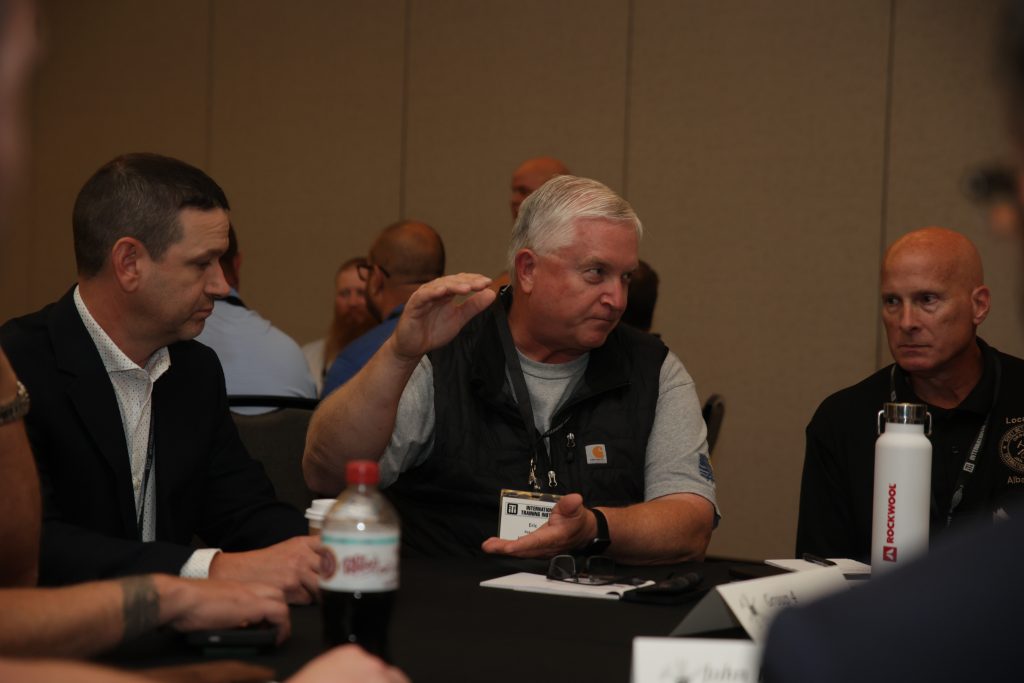
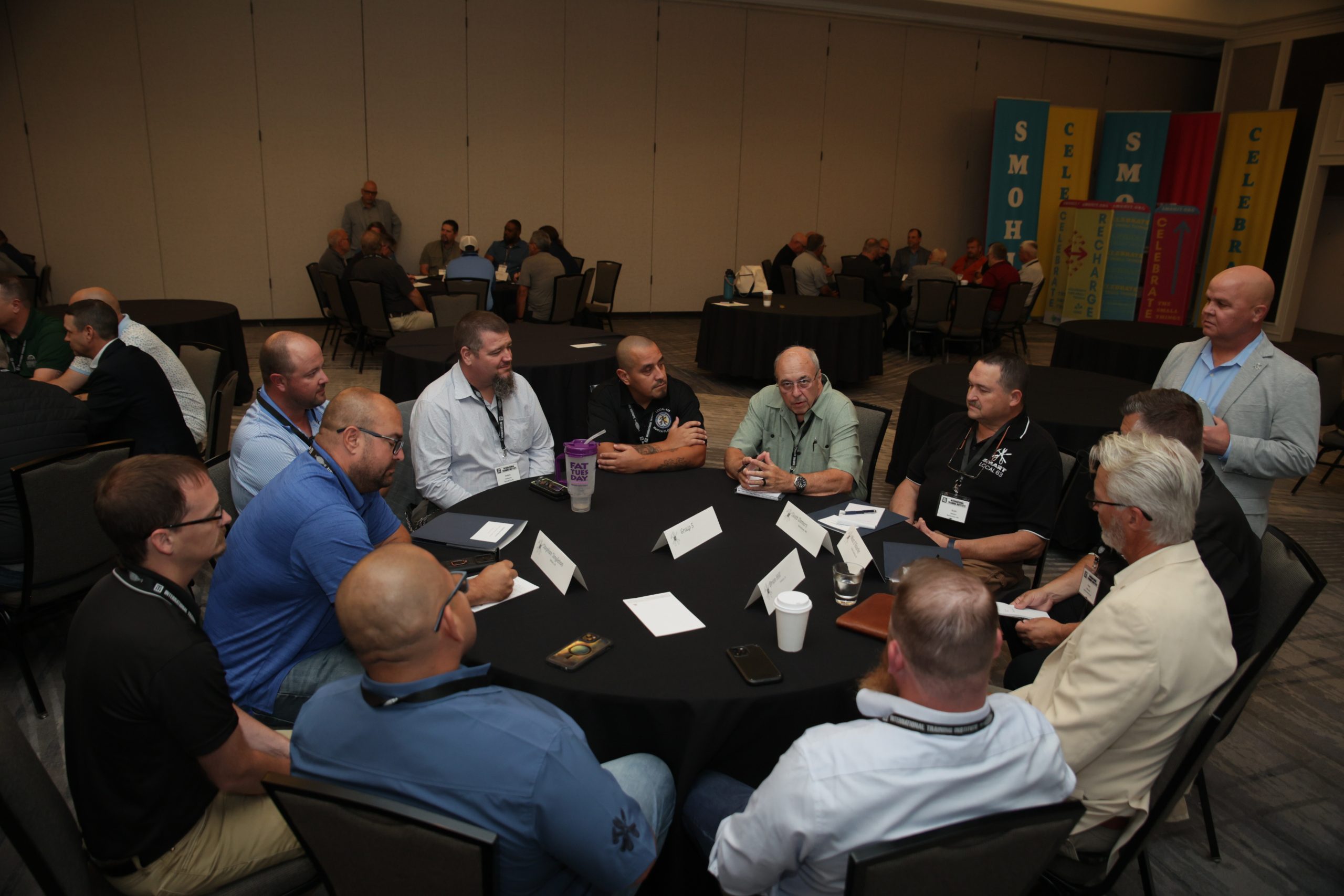
For instance, a high school diploma or GED is preferred, not required in the NGS, and points may be given to applicants for those who hold either a high school diploma or GED. During the first break-out session, attendees discussed this and the usage of entrance exams in their programs.
“What are some other metrics that could be used in the acceptance of candidates?” said Quentin Morales, coordinator and administrator of training at Local 105 near Los Angeles. “If you’re only looking at the test, you’re looking at pass or fail. You’re not looking at the apprentice.”
The ITI is rooted in training, and apprenticeship directors and coordinators, as well as their instructors, continue their own training to keep up with industry and curriculum changes, trends and challenges in their training centers.
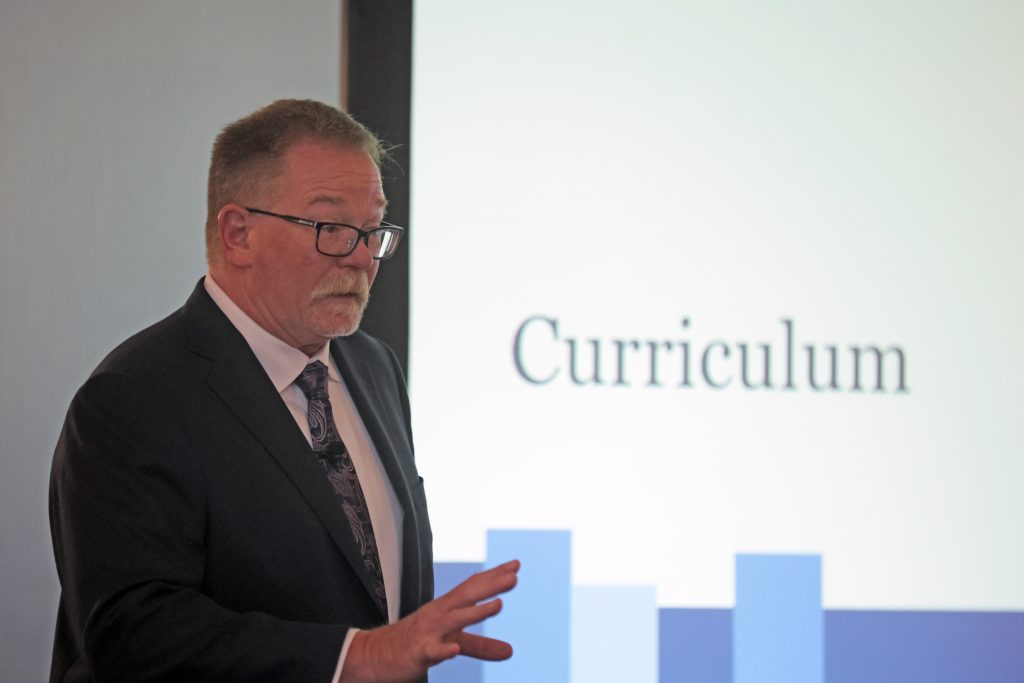
Len Liebert, ITI program administrator, touched on those trends, changes and challenges to training, including making the most of in-person and distance learning; preparing students for their apprenticeship application; learning new things; accountability; increased retention; efficient use of lab time; curriculum; and courses such as instructor development, a series of courses aimed at teaching instructors how to best teach their classes and become better instructors.
“You have to build your bench,” Liebert said. “Curious instructors get things done. They’re the ones who learn new things and push coordinators toward new things. The closer we get training aligned with the things they’re seeing on the jobsite and what they want to learn, the better we’ll be.”
Moving a program forward takes hard work and dedication from the training center staff, including instructors, to make sure apprentices are learning what they need in the classroom in order to succeed on the jobsite, but what if a program requires training and no one on staff has that specialty?
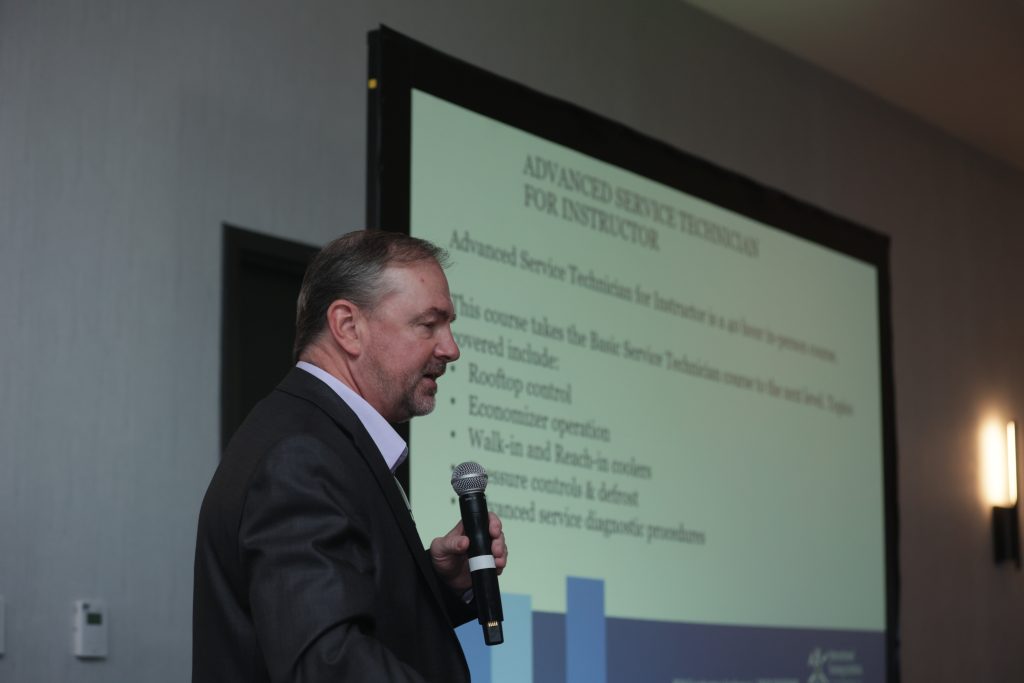
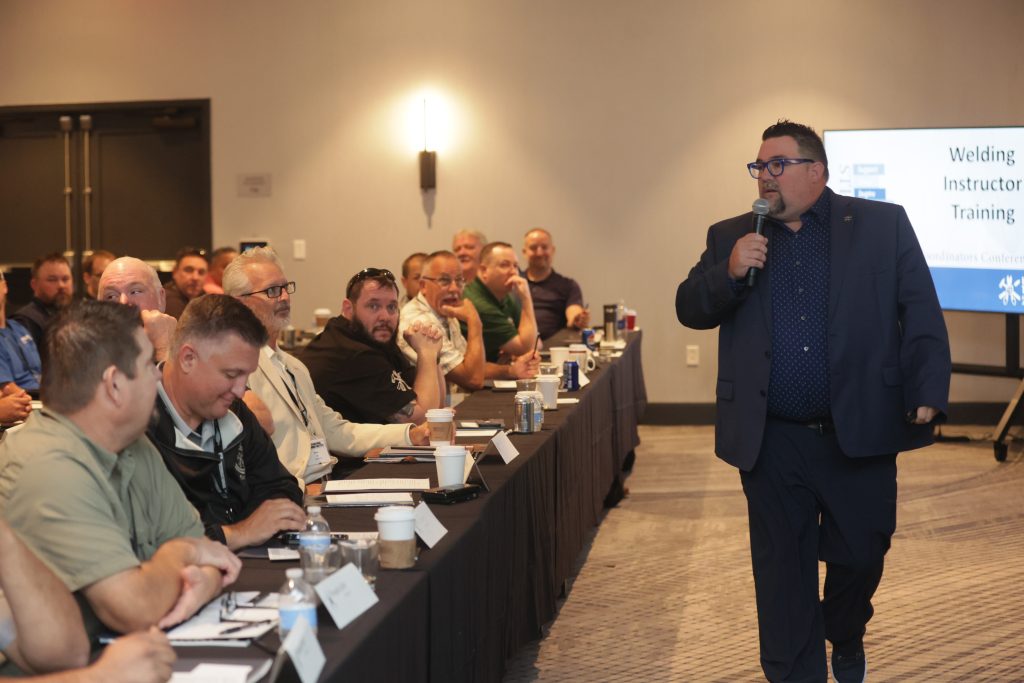
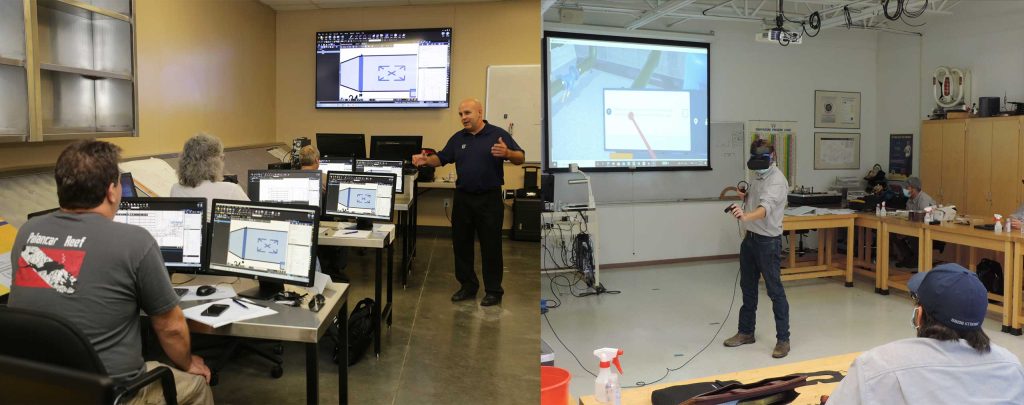
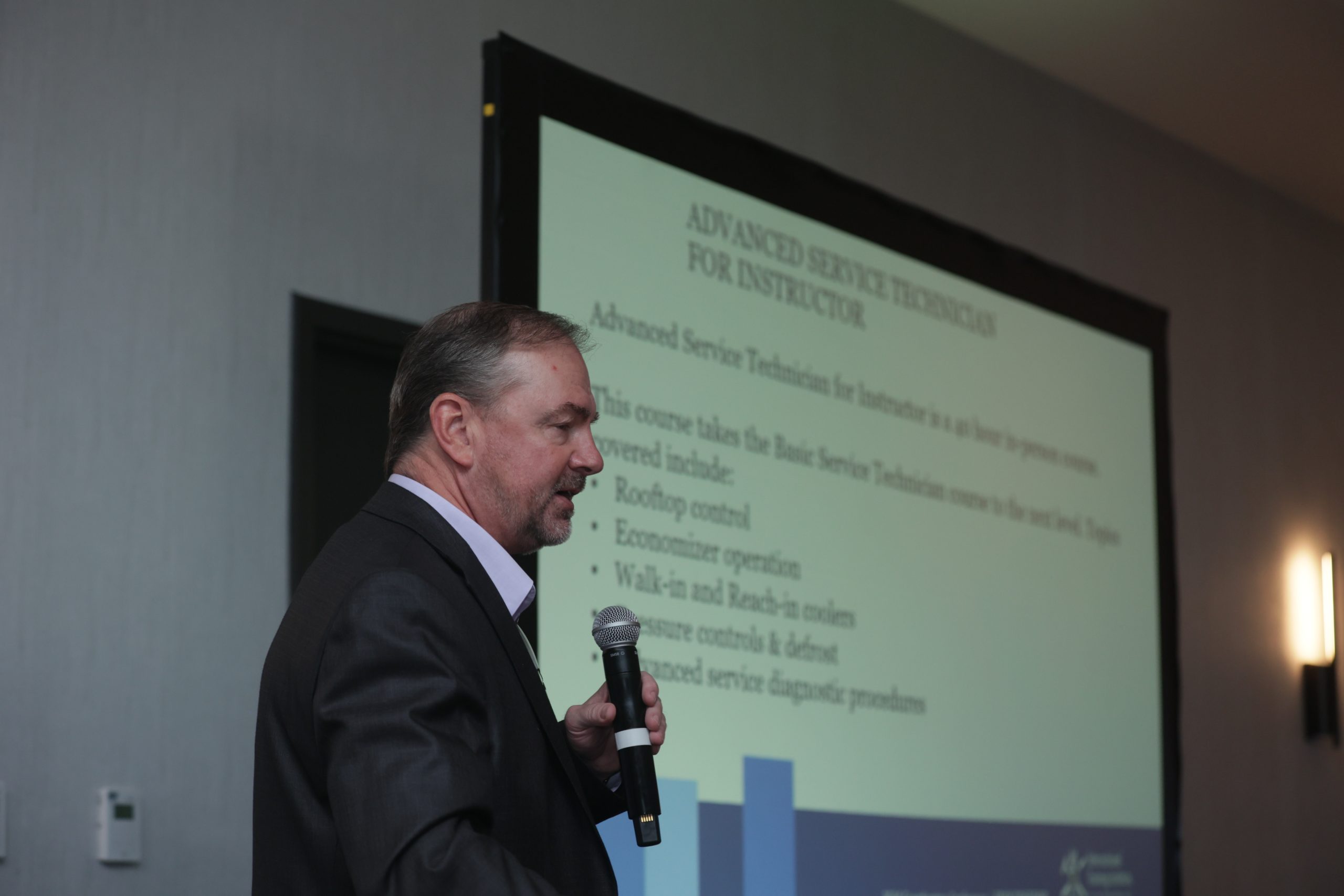
ITI field staff representatives Joe Potesta, welding specialist, and Darrell Garrison, HVACR service and TAB specialist, presented courses available to instructors who teach skills outside of their specialties. A mix of in-person and distance learning, the courses include HVAC service; ventilation verification and indoor air quality; testing, adjusting and balancing (TAB); direct digital controls; and fire life safety, all using in-person and online, self-paced courses. Welding instructor training, an in-person class, is also intended to teach instructors how to teach welding.
Some of the courses also can be used to supplement curriculum and advance learning of apprentices and journeypersons, especially using the hands-on, 3D online platforms.
“Some coordinators are using this training to enhance their training back home, so they can spend more time with the hands-on portion,” Garrison said. “This is beneficial if you want your students to go through the motions at home or if you don’t have a mockup at your training center.”
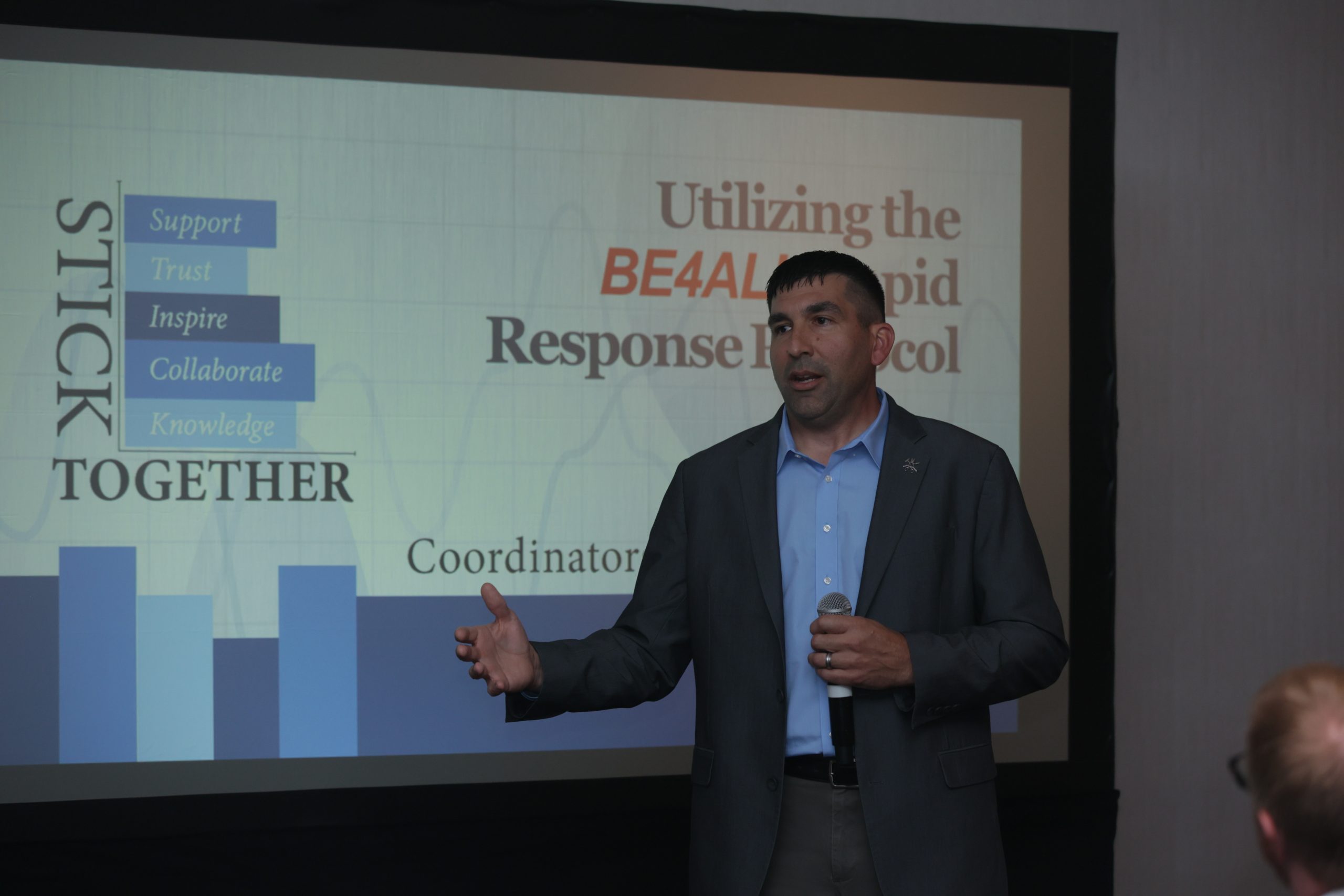
Also on day one, Darek Scarlavai, ITI field staff representative, gave an update on the Belonging and Excellence for all (BE4ALL) committee’s rapid response protocol, currently in development, to help training programs navigate incidents of harassment. Nadia Zerka, account director for Imagine Communications, also led attendees through marketing strategies aimed at recruitment and retention and challenged them to view their social media, recruitment efforts and other marketing efforts through the lens of the potential apprentices.
To kick off day two, Harris discussed another foundation of sheet metal apprenticeship — the leadership charged with educating thousands of apprentices every year.
“Studying leadership is about looking at yourself, not pointing fingers at others,” Harris said. “We’re influencing apprentices, but we’re influencing the industry in a lot of ways.”
He encouraged attendees to look in the mirror — are they leaders or managers? While leaders influence people to follow a direction, managers work on maintaining processes and systems, without changing any of it.
“It’s about pushing the envelope,” Harris added. “It’s not about forcing anything down anyone’s throat. It’s about making things better. You’ve got to let people be a part of the team, a part of the decision. You don’t have to always take their direction, but they need to be a part of the discussion.”
Leadership is key when it comes to accreditation, which operates on a five-year cycle. With incentives, such as available ITI grant applications, the way the value of a training program is measured is consistently gaining energy. In 2021, there were more gold than platinum accreditations, which is the highest achievable level. For the next round, which ends in 2026, to date, there are more platinum than gold, which is the second-highest achievable level.
At the beginning of every assessment period, classes are available for anyone involved in the process to attend, including office staff and instructors. The classes allow for questions, networking, detailed explanations, handouts and reference materials, and each class is recorded so stakeholders can reference material later.
“I think you’ll see the trend is upward, and it’s up to all of us in the room to get that accomplished,” Liebert said. “I want all boats to rise. That’s what accreditation is about.”
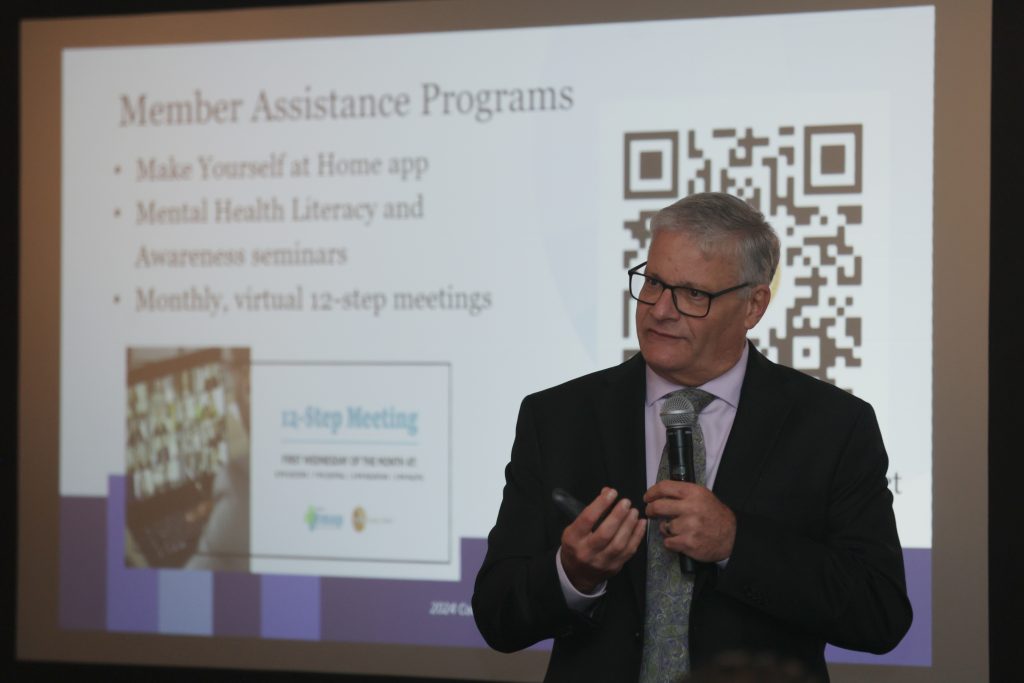
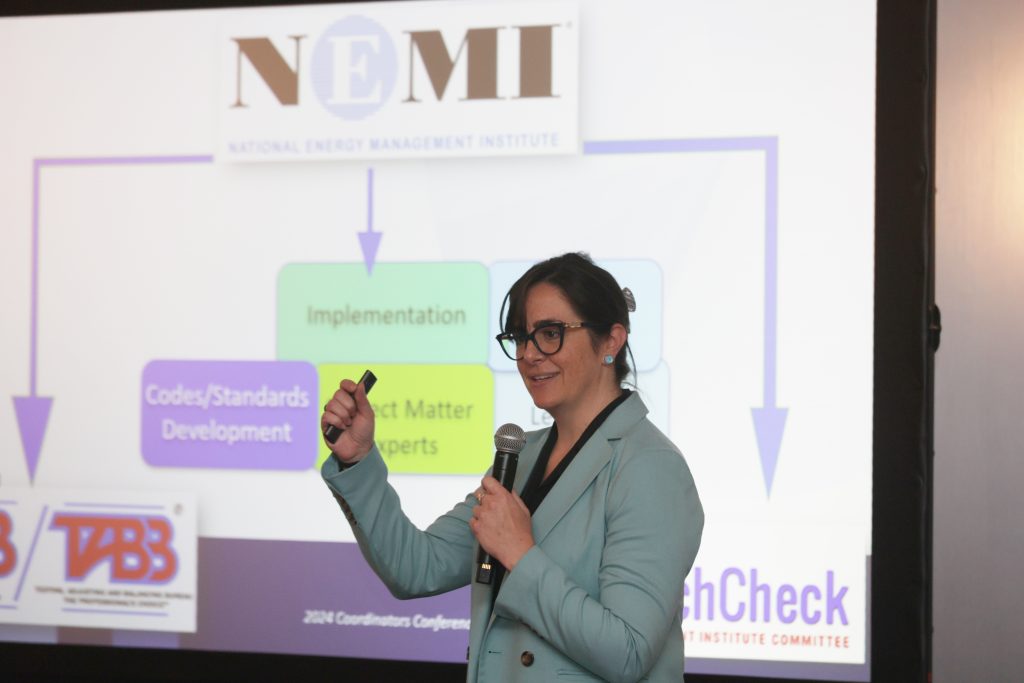
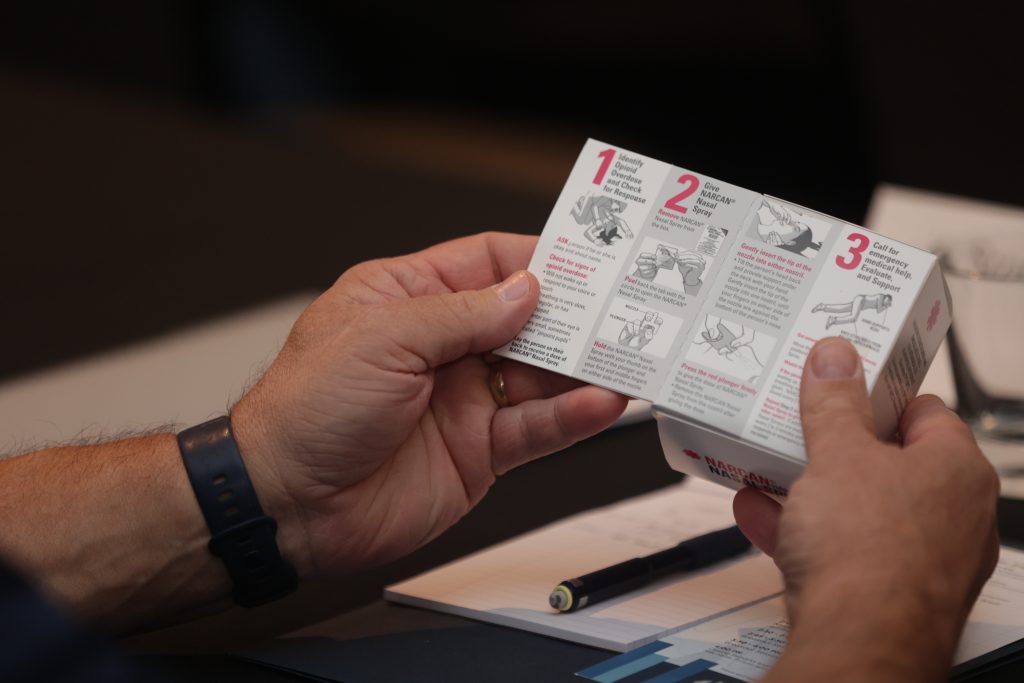
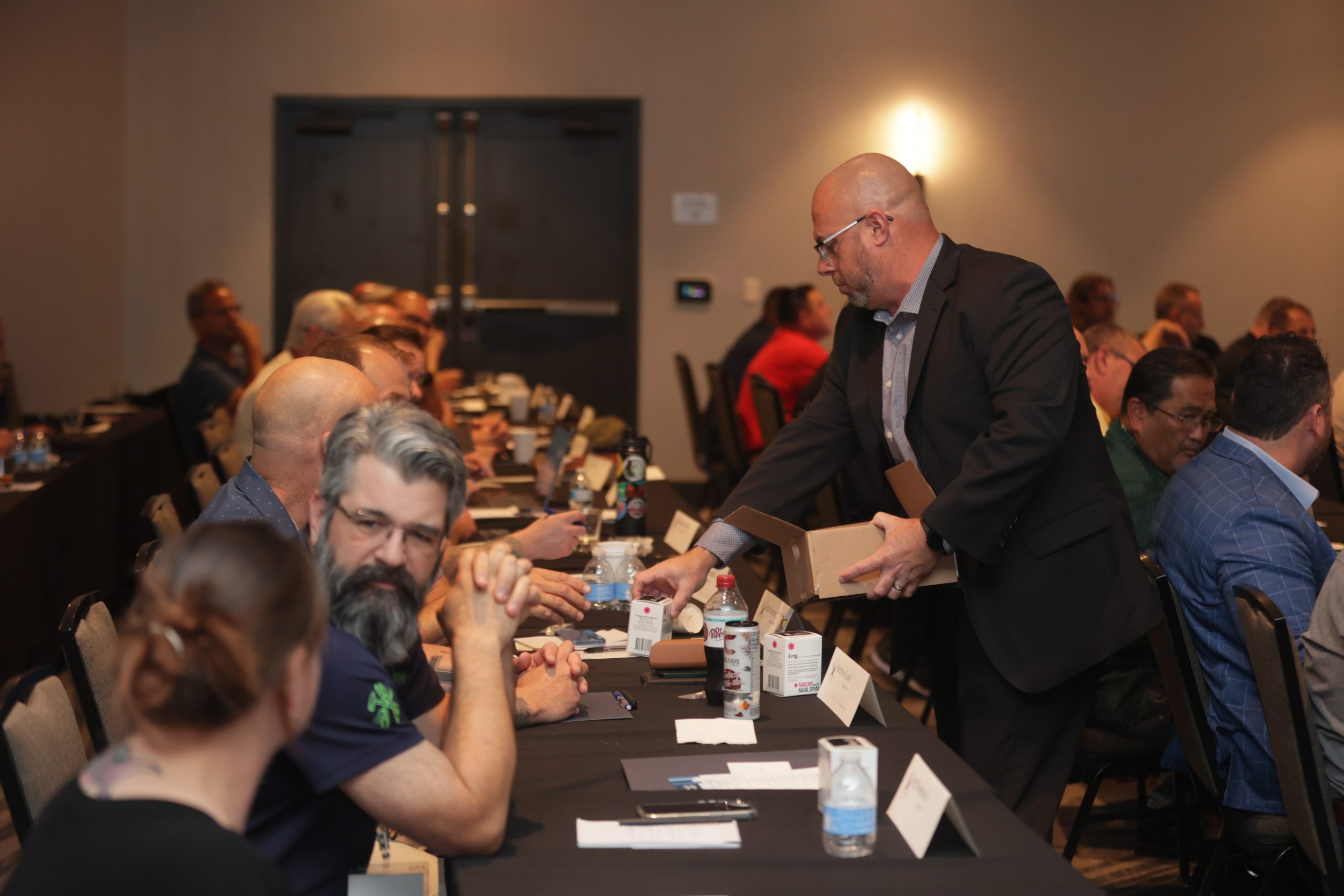
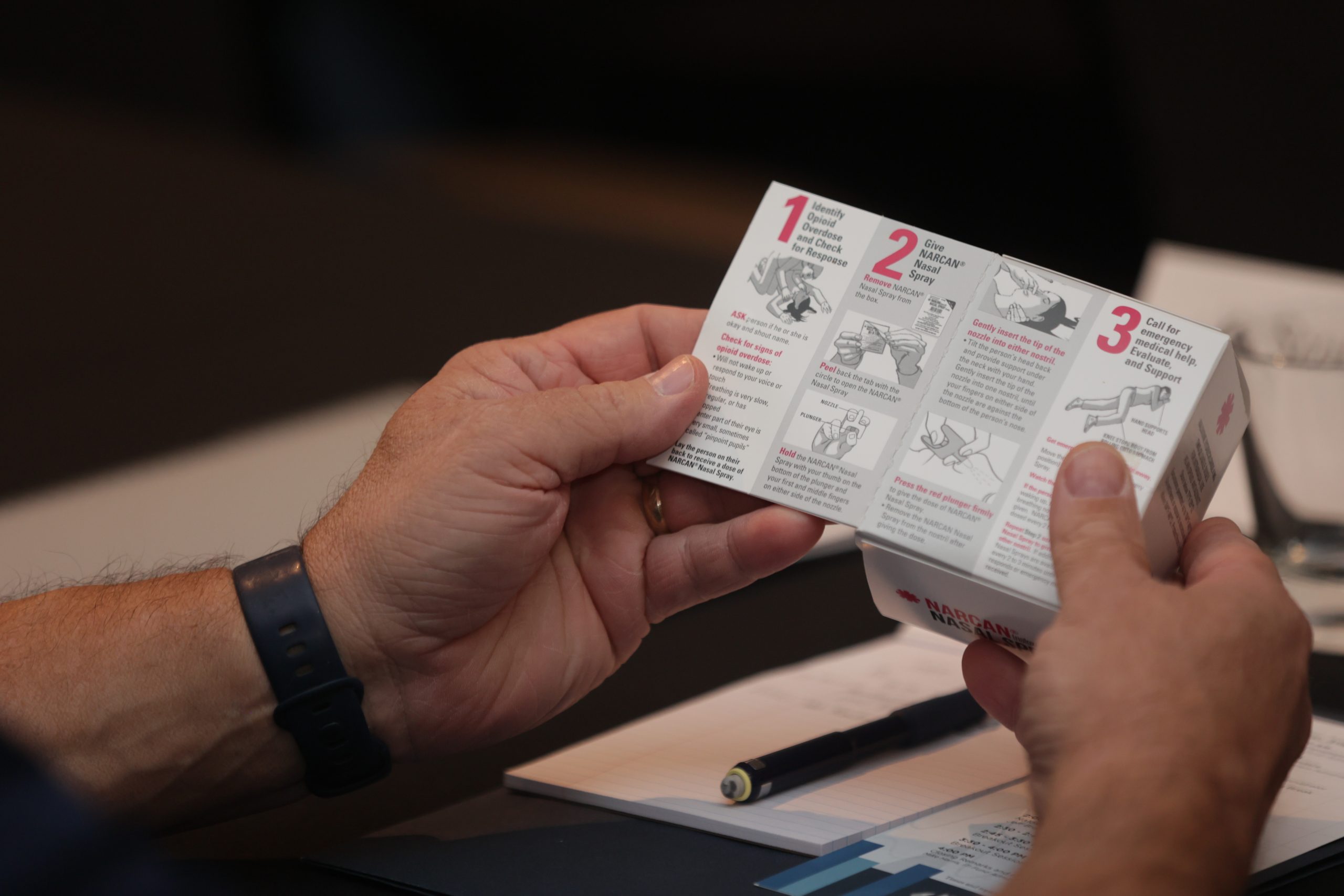
Training spans beyond the ITI and includes facets of the other two SMART Funds, SMOHIT and NEMI. Aldo Zambetti, SMOHIT administrator, and Lisa Davis, NEMI administrator, provided updates on each of their funds and how they connect with training. Ed Robison, SMOHIT field representative, also provided naloxone (commonly known as Narcan) training as well as doses for the coordinators to take back to their locals.
While Davis provided updates on certifications, testing, exam revisions and industry trends, Zambetti focused on encouraging coordinators and their instructors to really get to know their apprentices while they’re in the classroom.
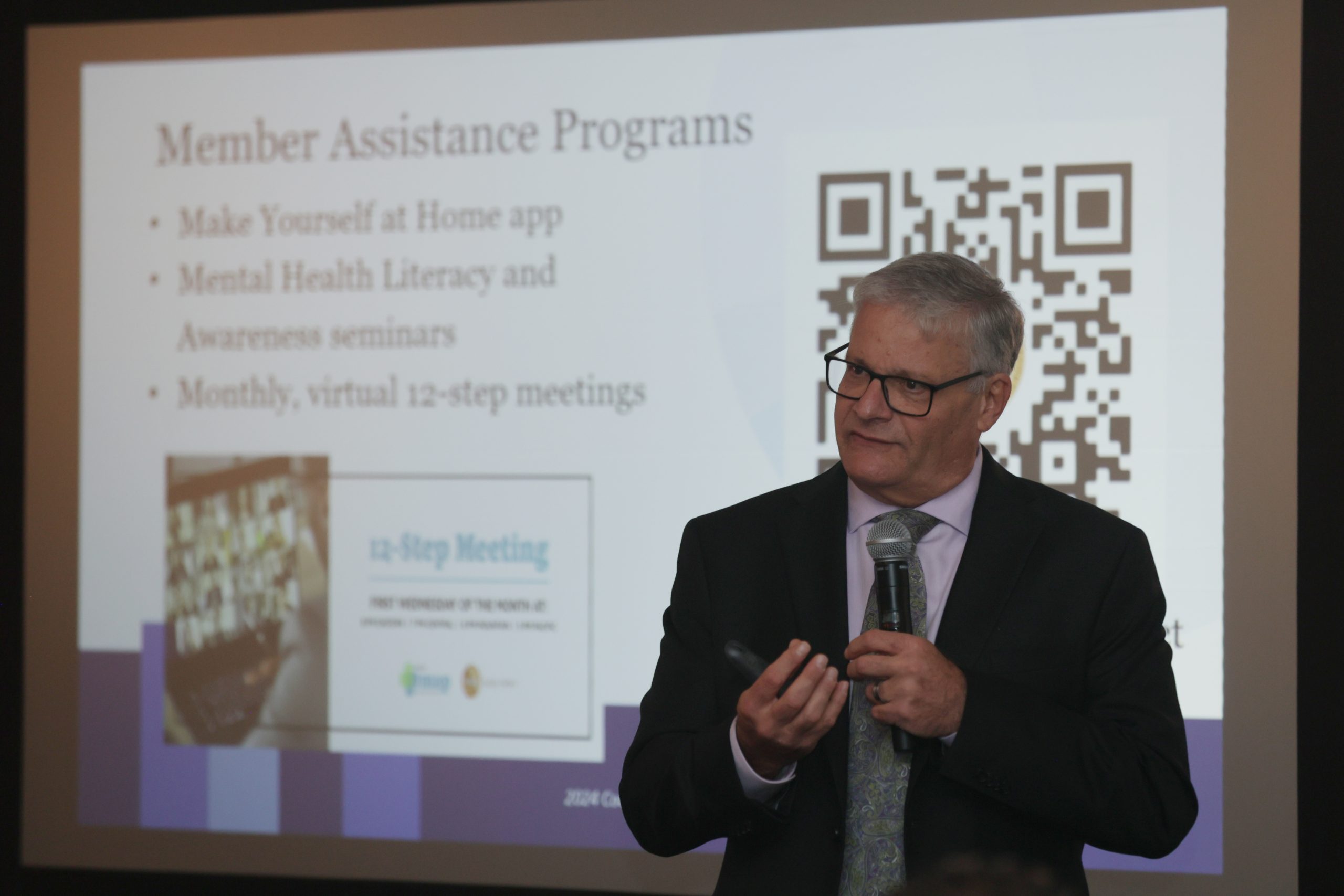
“Make it part of your classroom management to deal with mental health,” he said. “Start the subject. It becomes natural if you do it.”
A key component of the two-day conference was the break-out sessions, and on day two coordinators discussed how to enhance their on-the-job training programs, including what skills needed to be taught in the classroom for use in the field.
From Mitchell Koch’s perspective as a new coordinator, looking at training and new skills with excitement is important.
“Do we look to the training and those skills first, or do we look for the work and market those skills?” he said. “Passion and excitement go a long way with what we do instead of trying to talk [contractors] into it out of the blue.”
“It’s really easy to say, ‘Why should we help them if they don’t help themselves?’ I think we need to understand them better,” Liebert added.
ITI field staff representatives Josh Moore, SMART Heroes specialist, and Mark Van Avery, welding specialist, also presented updates on how to move apprentices and journeypersons forward. Coordinators can accept veterans into their apprenticeship programs through a variety of pathways; and therefore, should know what veterans’ benefits are available. Not only is it good for the members, it’s a good retention strategy and helps them get the most out of their new careers, Moore said.
With a number of seasoned welders retiring every day, Van Avery went over the Certified Welding Inspector (CWI) program and how training programs can maintain their Accredited Testing Facility (ATF) status by training and keeping a CWI at their facilities as well as making sure they have certified welders to complete projects.
“Keeping a base of certified welders can help if a contractor bids a job and needs welders of a certain caliber,” Van Avery said.
Many of the directors and coordinators in attendance have been in their position less than five years. For Koch, who was 10 days into his new job at Local 104, District 2, while at the conference, it was an invigorating experience that will drive him forward.
“The goal is to have a positive impact and promote growth and change,” said Koch, who was a part-time instructor for a decade before accepting the coordinator position. “It’s a very rewarding job being a part of people’s learning. The result was always the encouragement.”
All coordinators, from Koch to those who have had their jobs for decades, should have one mission — to enhance the education of apprentices, promote the continued education of journeypersons and help the industry succeed well into the future.
“We’re going to keep doing everything we can,” Liebert said. “We’re going to keep trying to find ways to help training centers get the resources that they need.