When an apprentice is in school and just starting their career, mentors are a vital part of the learning process — mentorship is a part of the unionized sheet metal industry’s history and culture. Think of the “Generations” statue, which depicts an elder handing a pair of snips to a younger worker, as a middle-aged man observes.
Mentorship shouldn’t stop when you become a training coordinator. As responsibilities and challenges grow, having a mentor can make all the difference. To bridge that gap, the Coordinator Mentor Program was launched during the Coordinators Conference this summer.
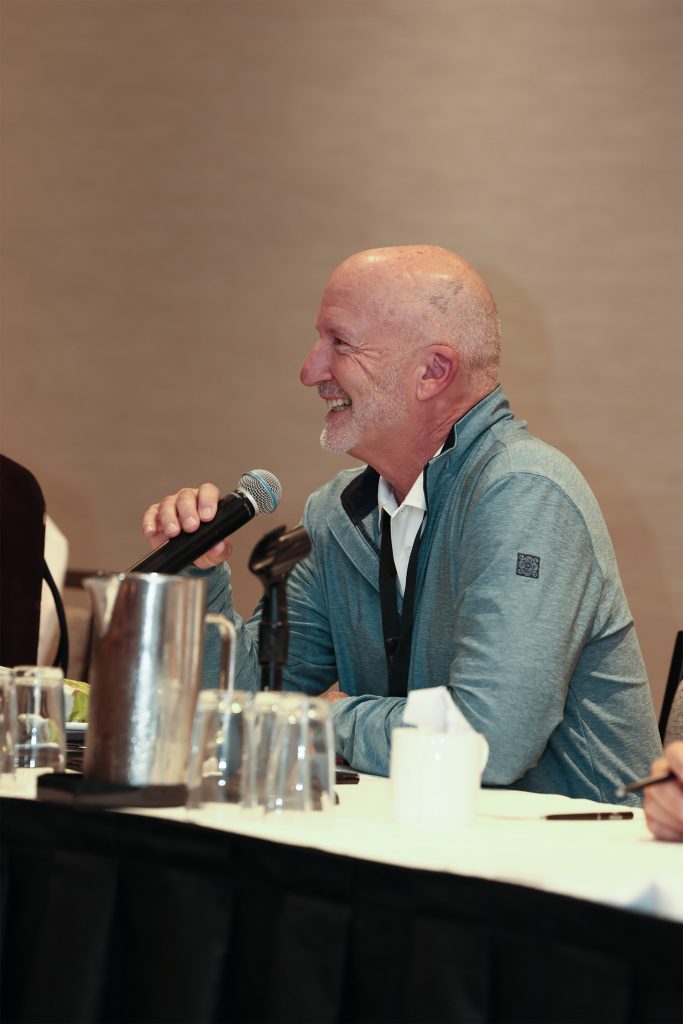
“I learned by stubbing my toe and scraping my knee,” said Tim Myres, administrator for Local 104 Bay Area Industry Training Fund in Northern California and coordinator mentor for Region 4. “If I can keep you from stubbing your toe and scraping your knee, we’re better as an industry.”
Unofficial mentorship has been happening between training coordinators for years, with newer coordinators calling veteran pros after meeting them at various events. This new program simply makes it official and structured, Myres said.
“We have all this information, and we need to make sure we disseminate it and give it back to the industry,” he added.
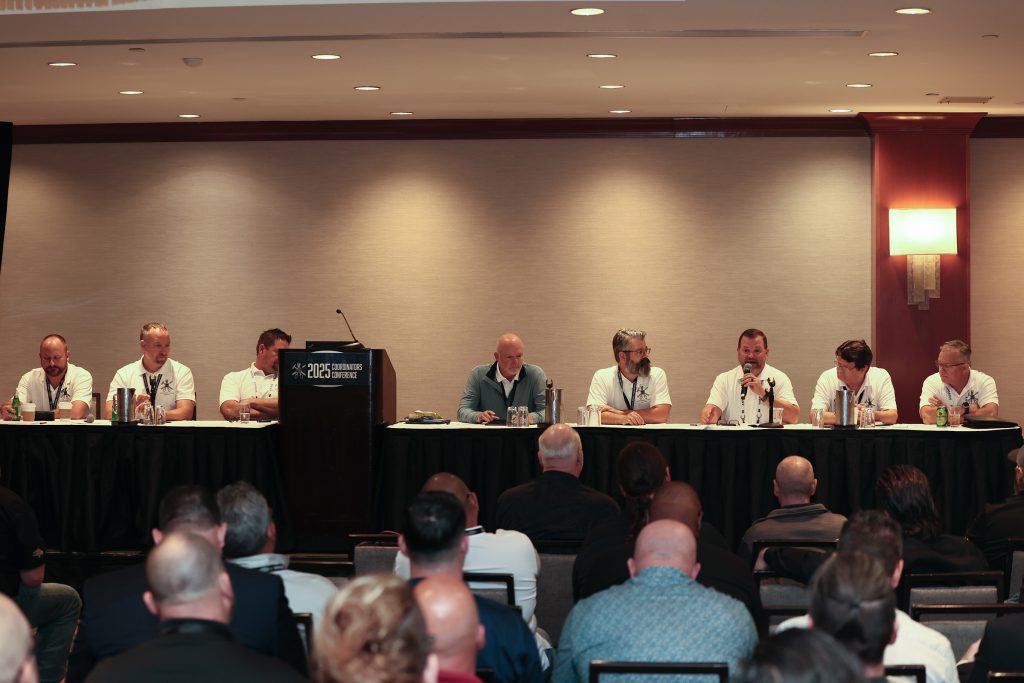
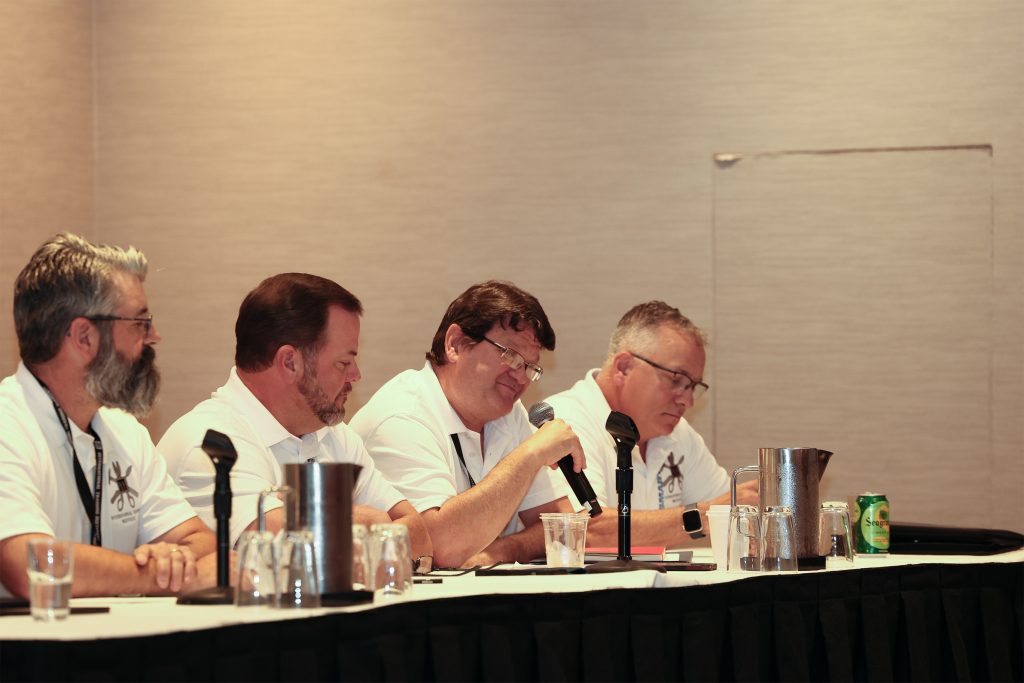
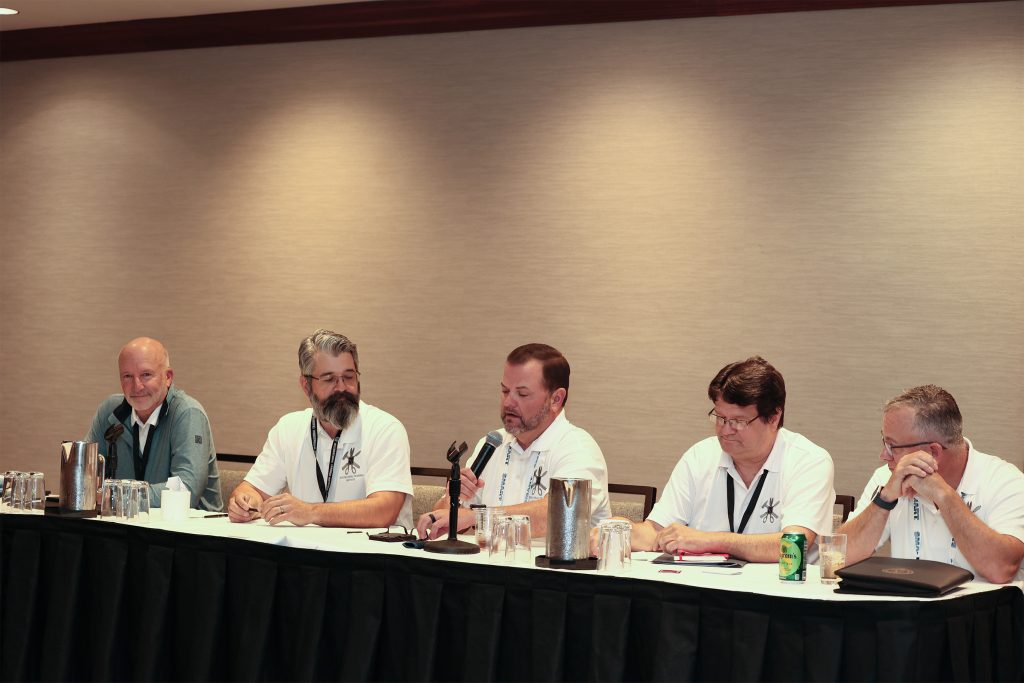
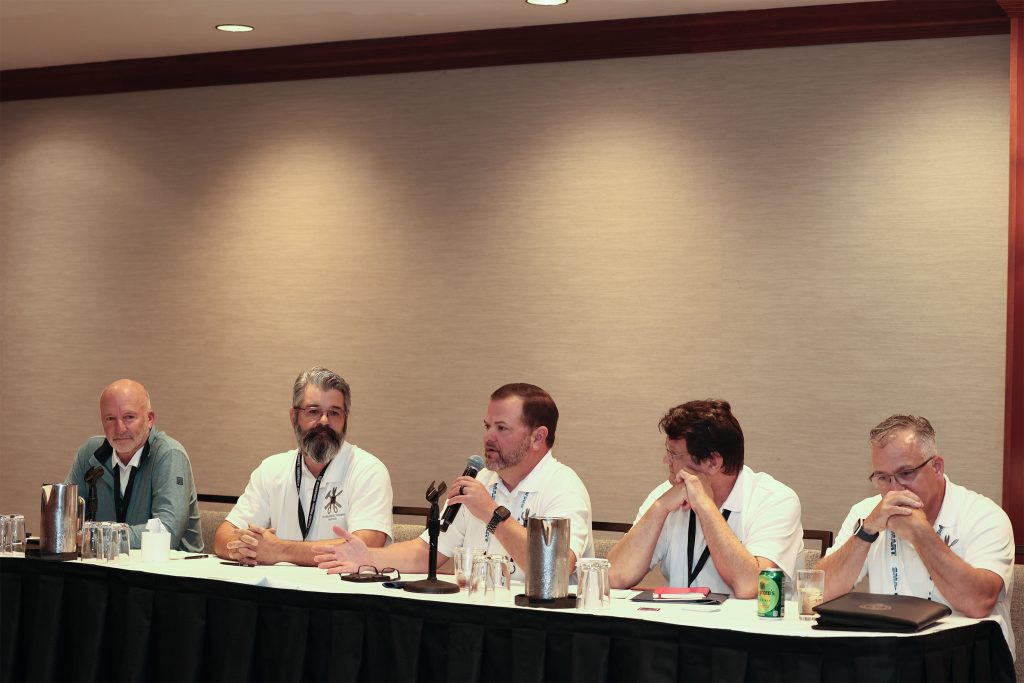
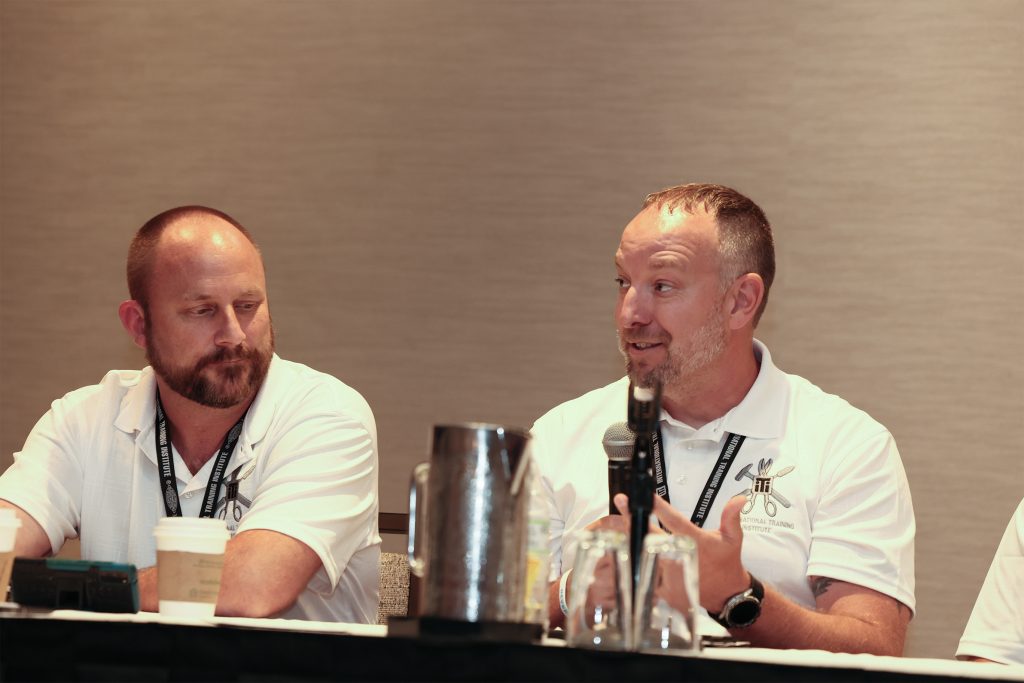
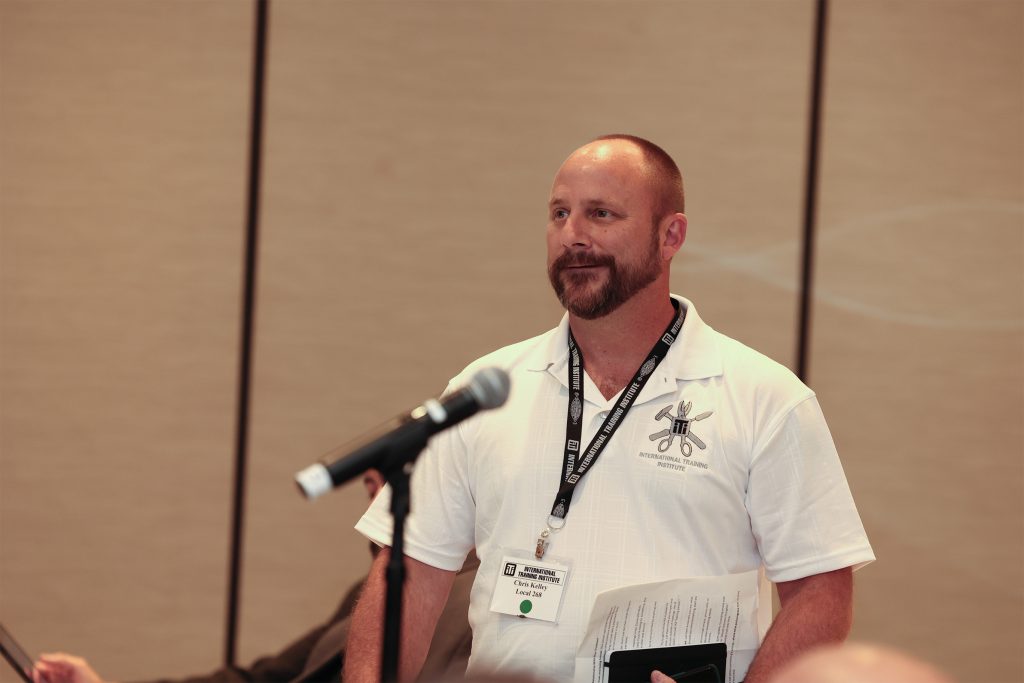
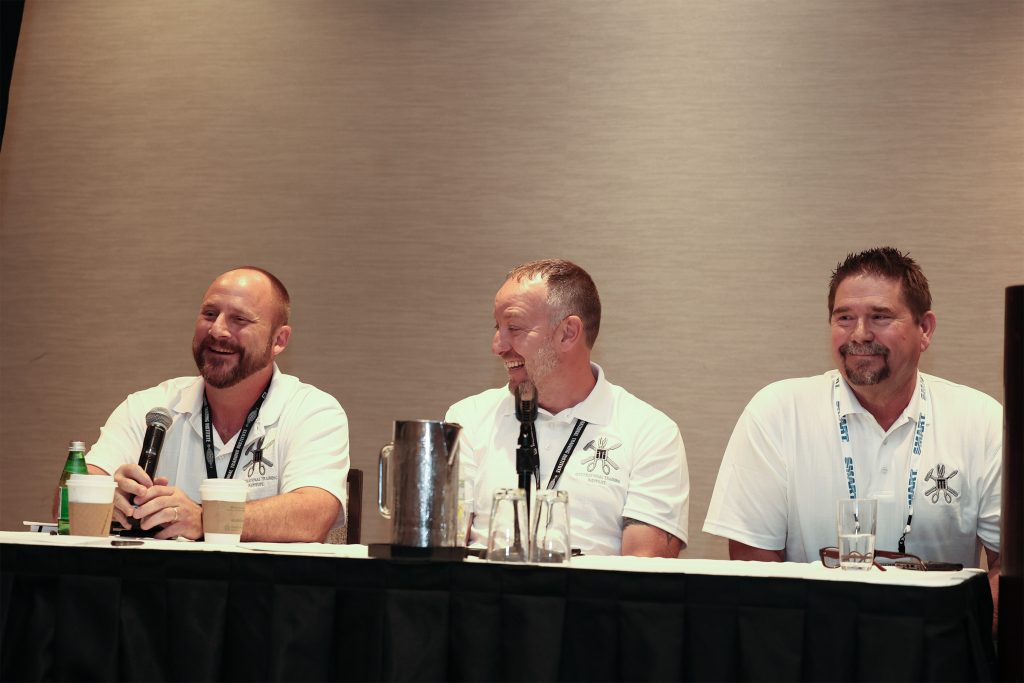
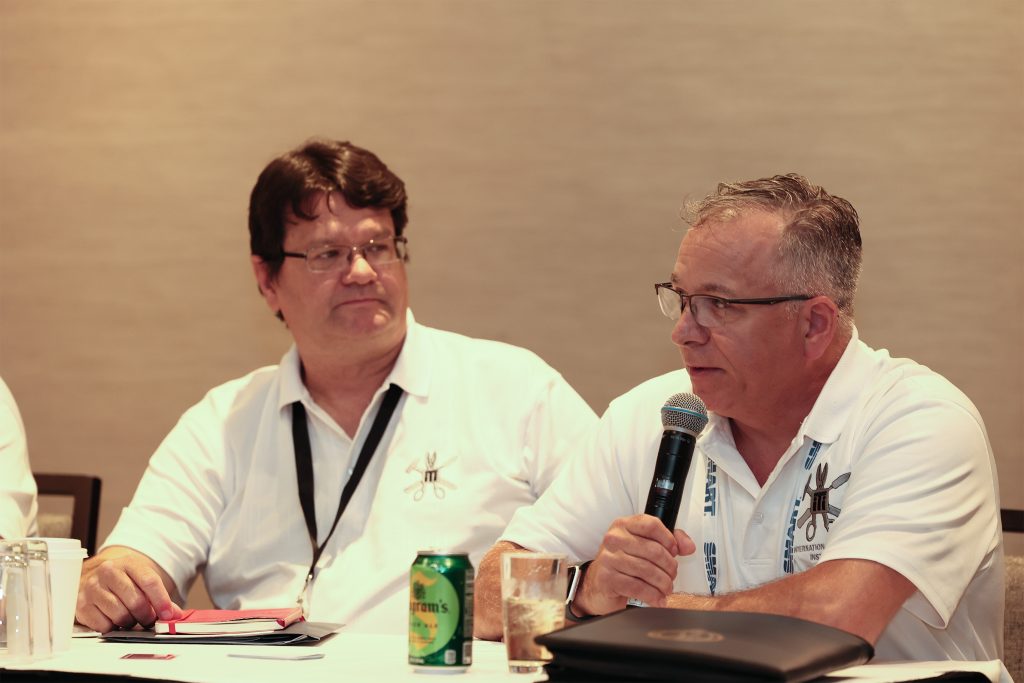
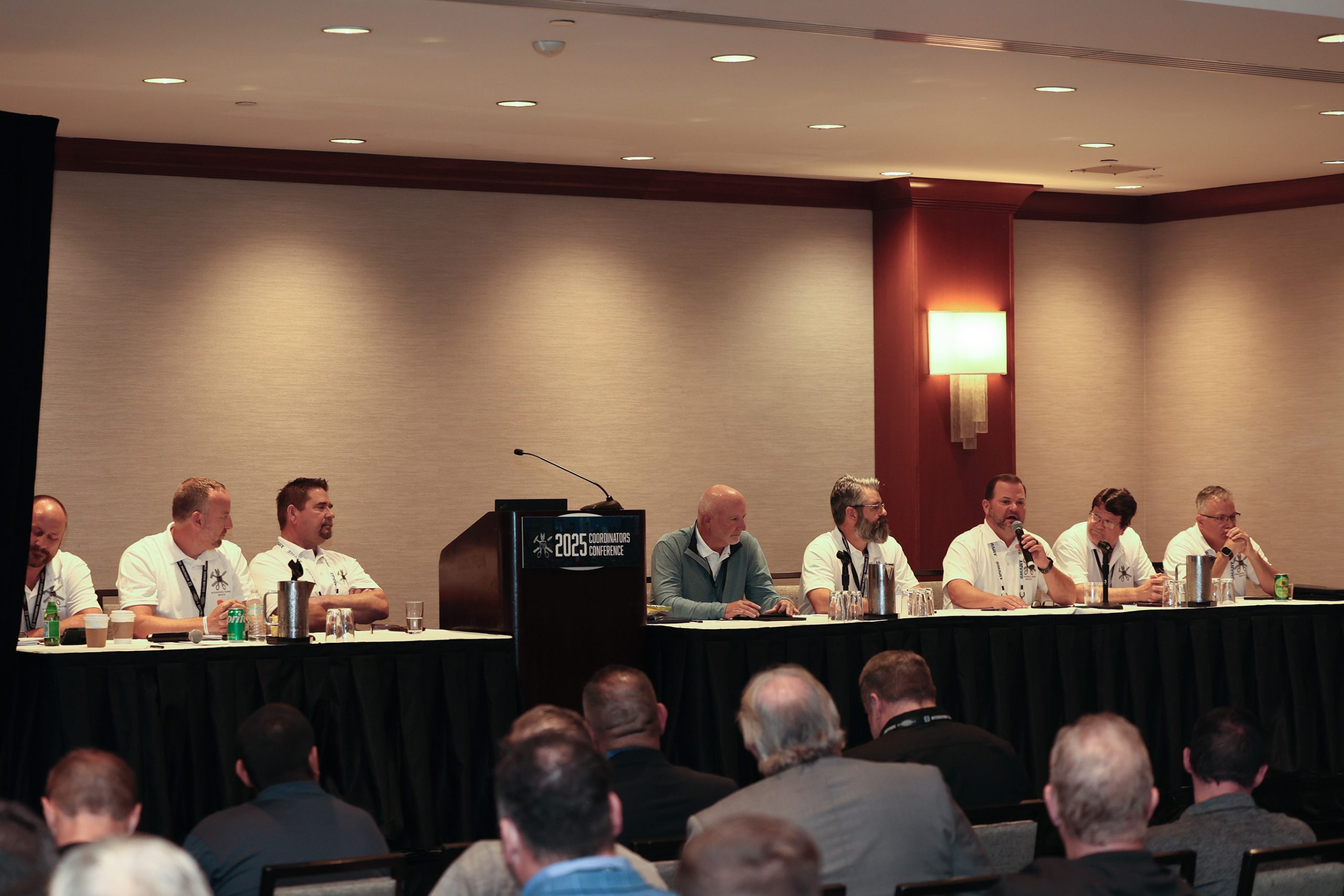
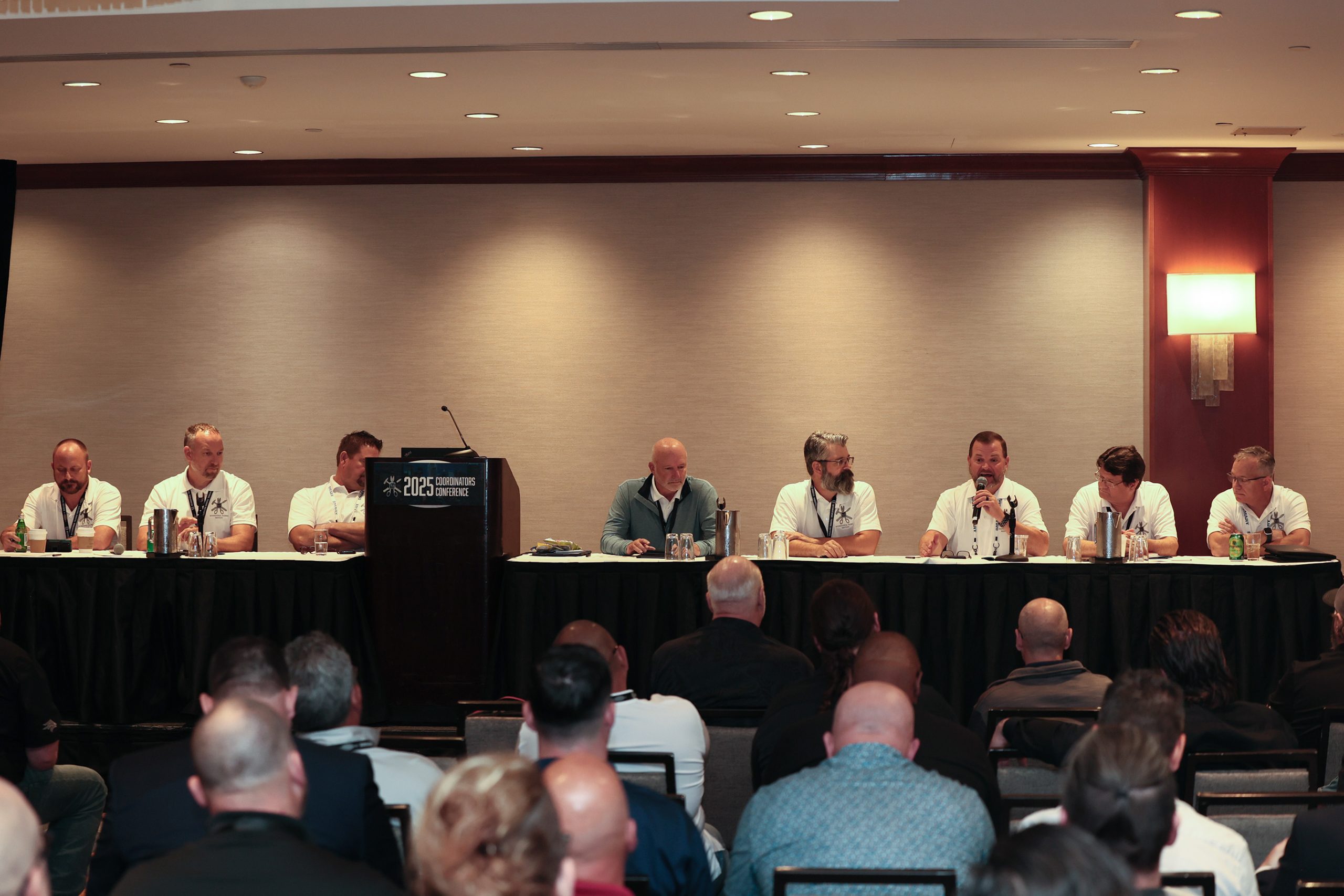
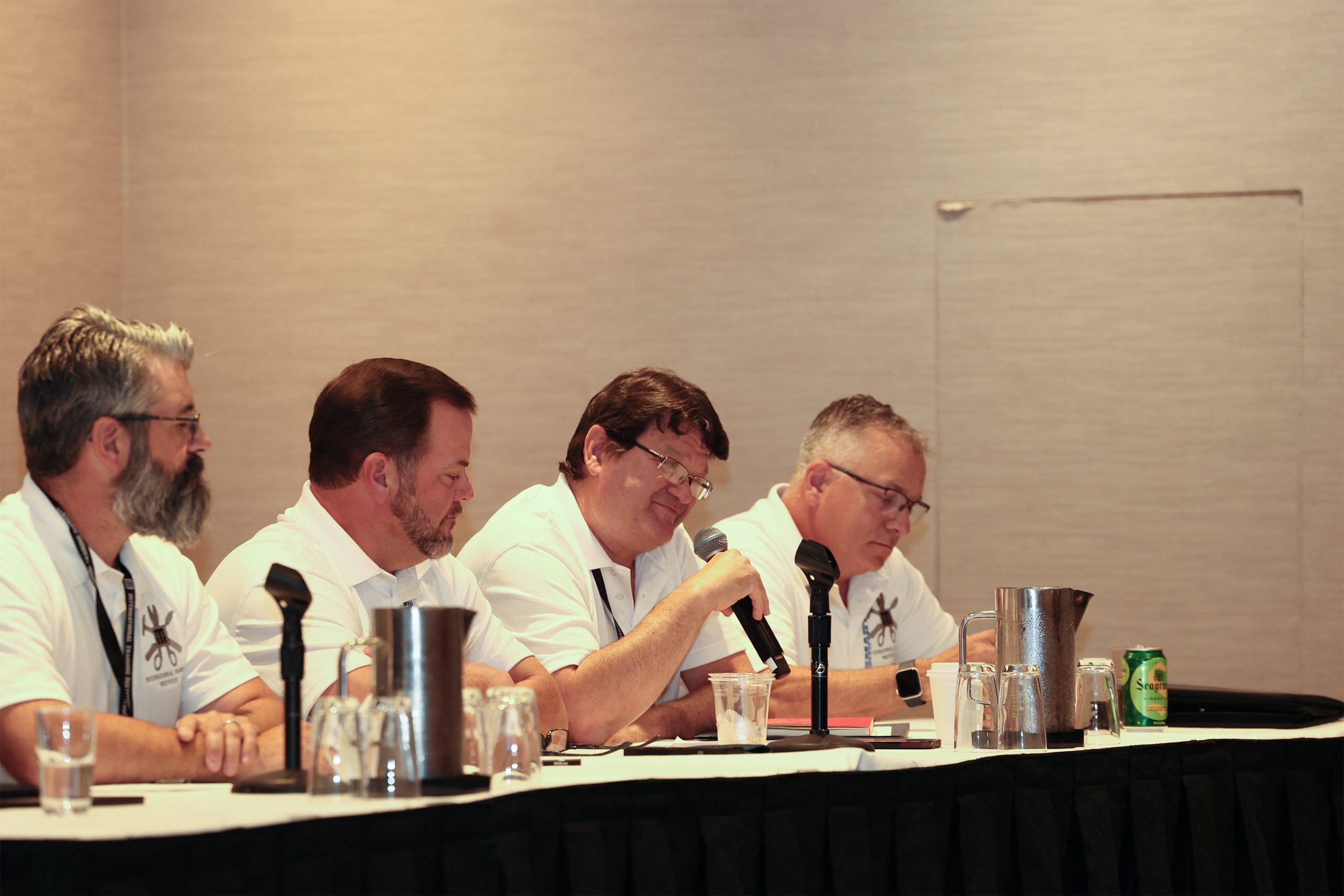
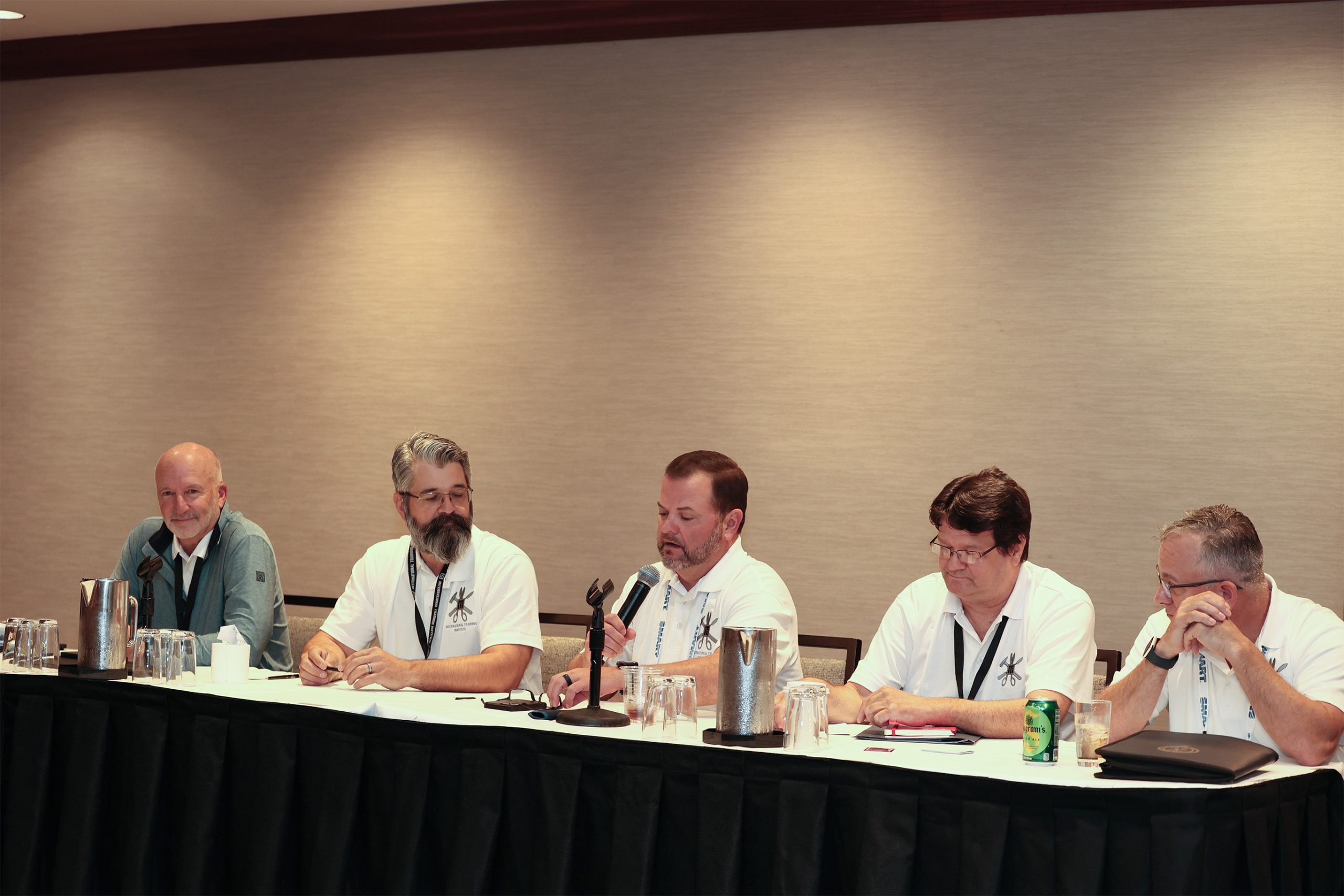
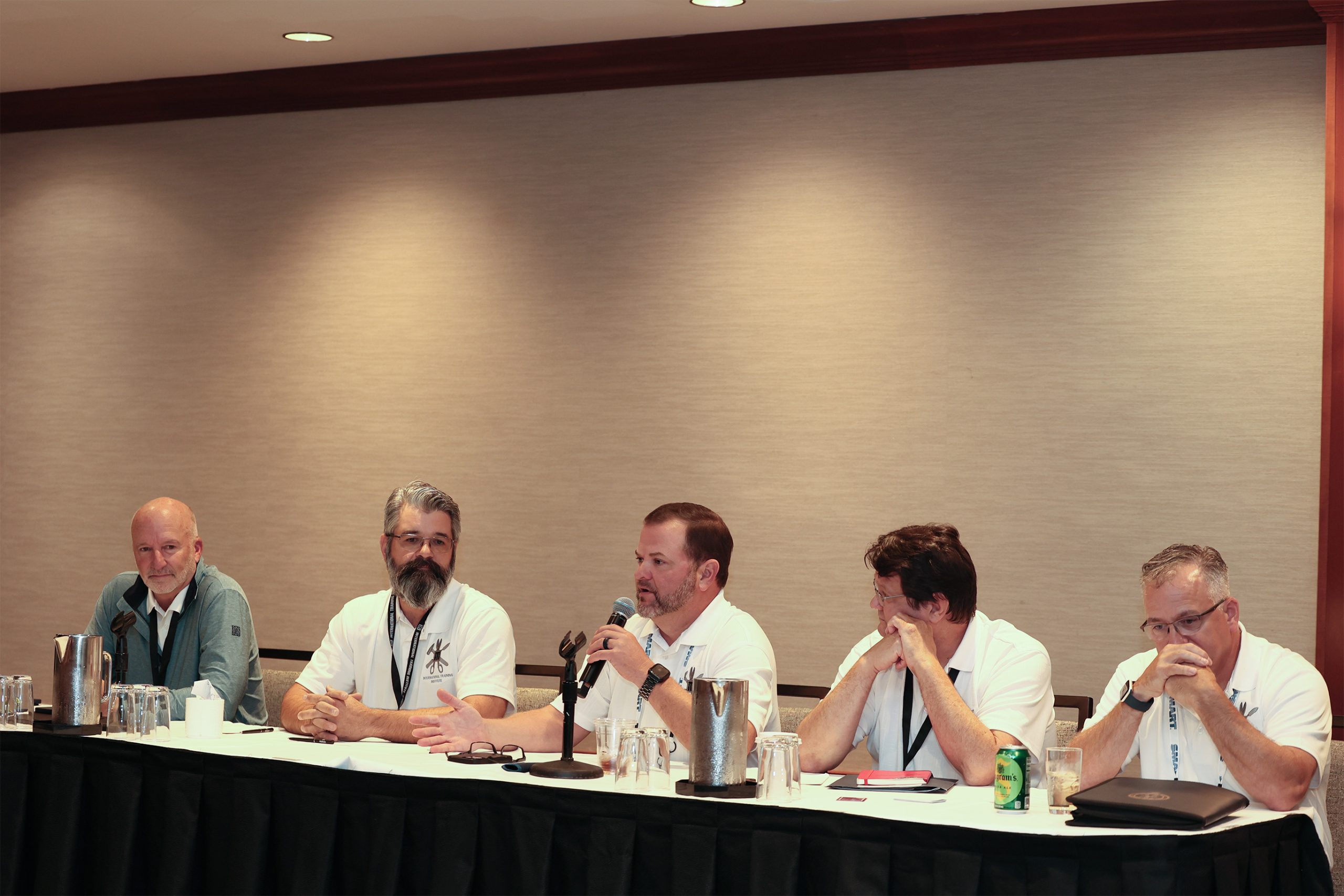
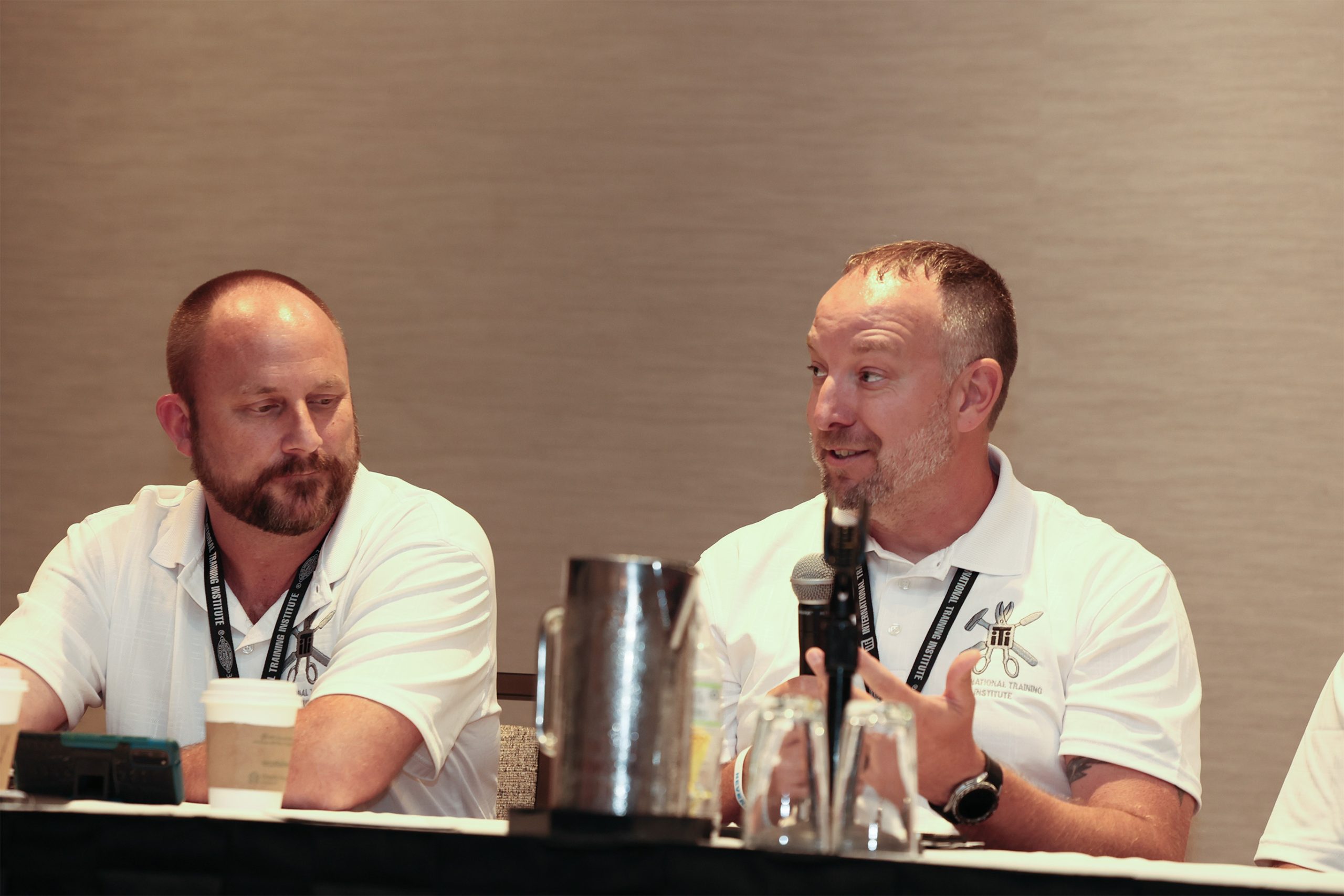
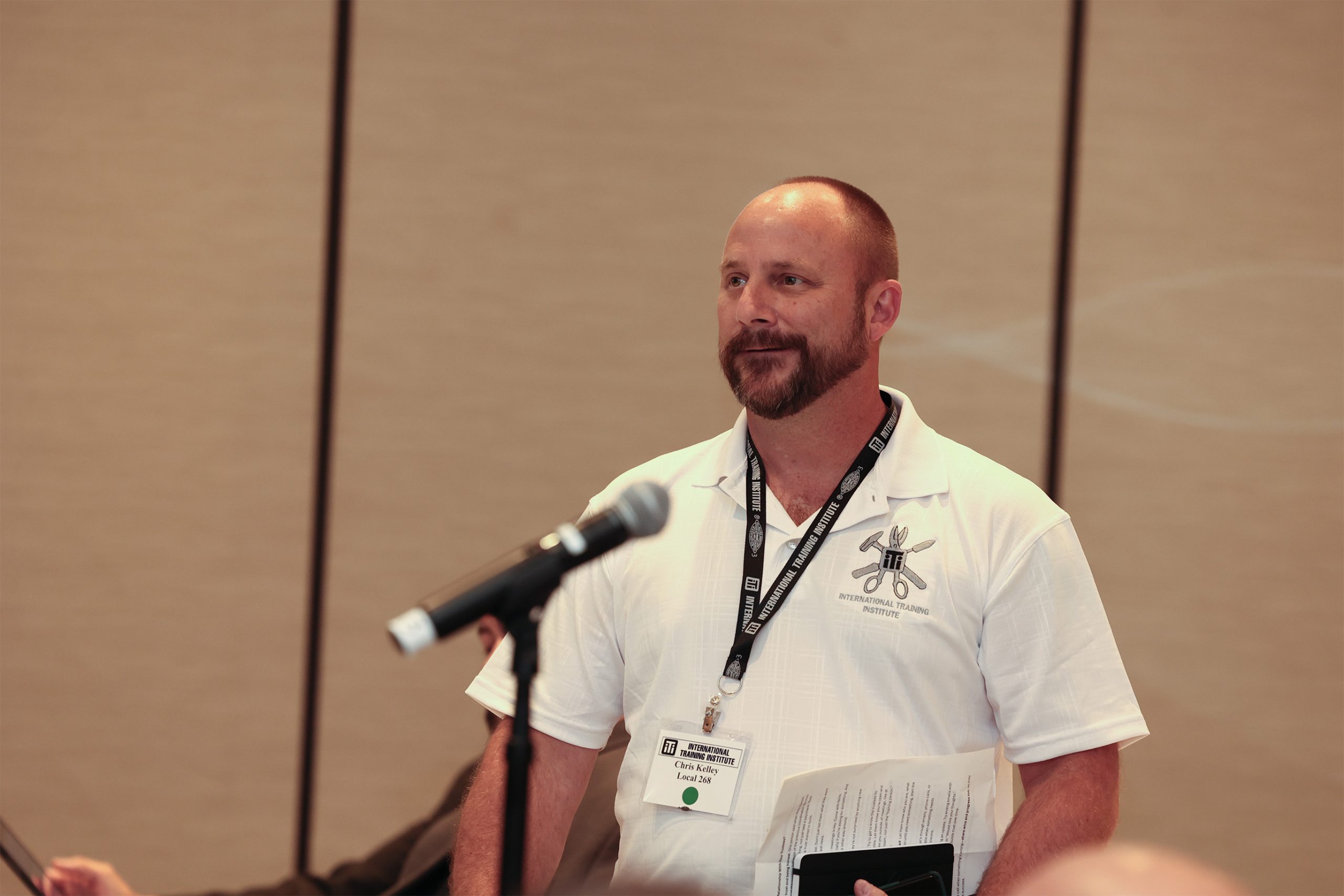
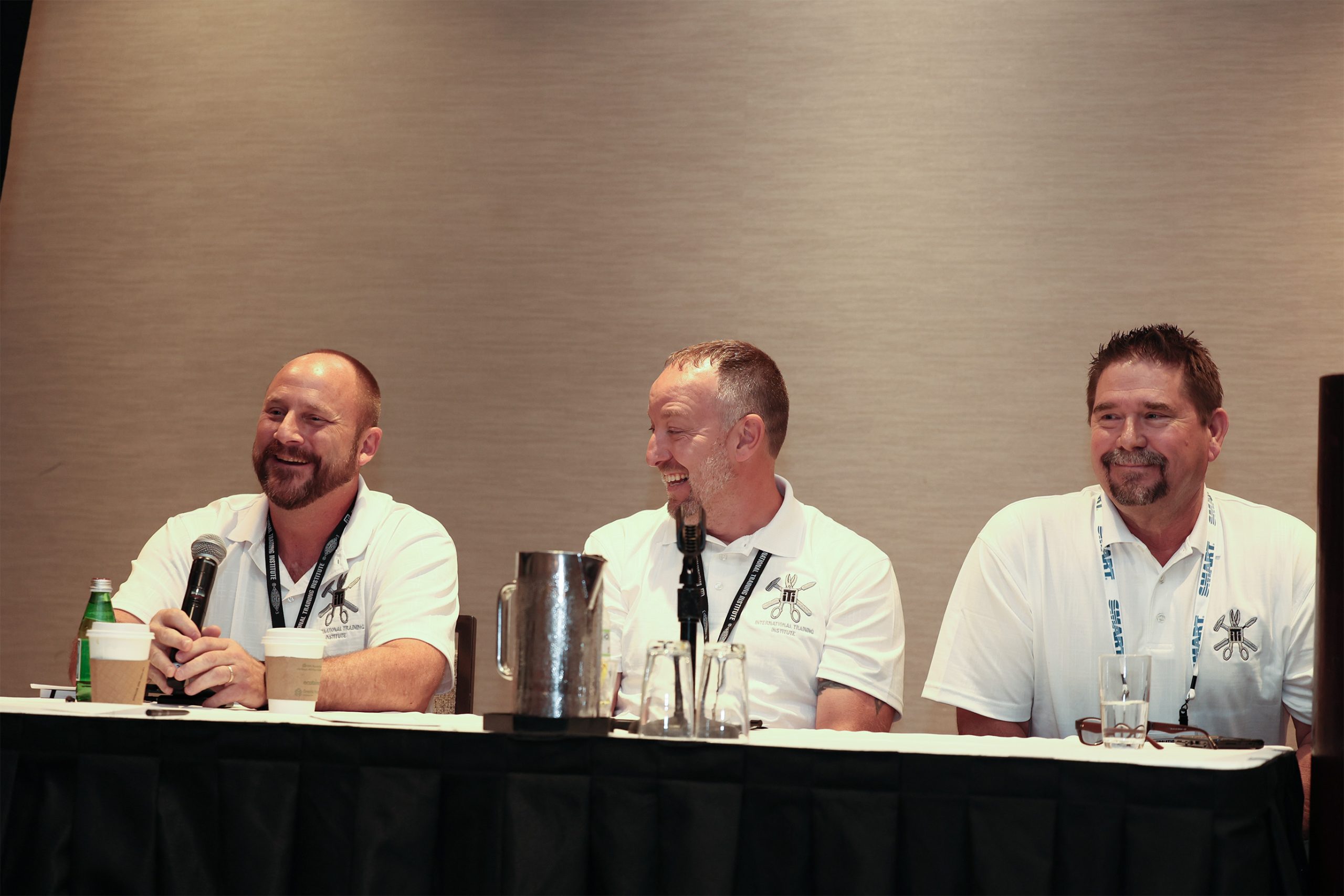
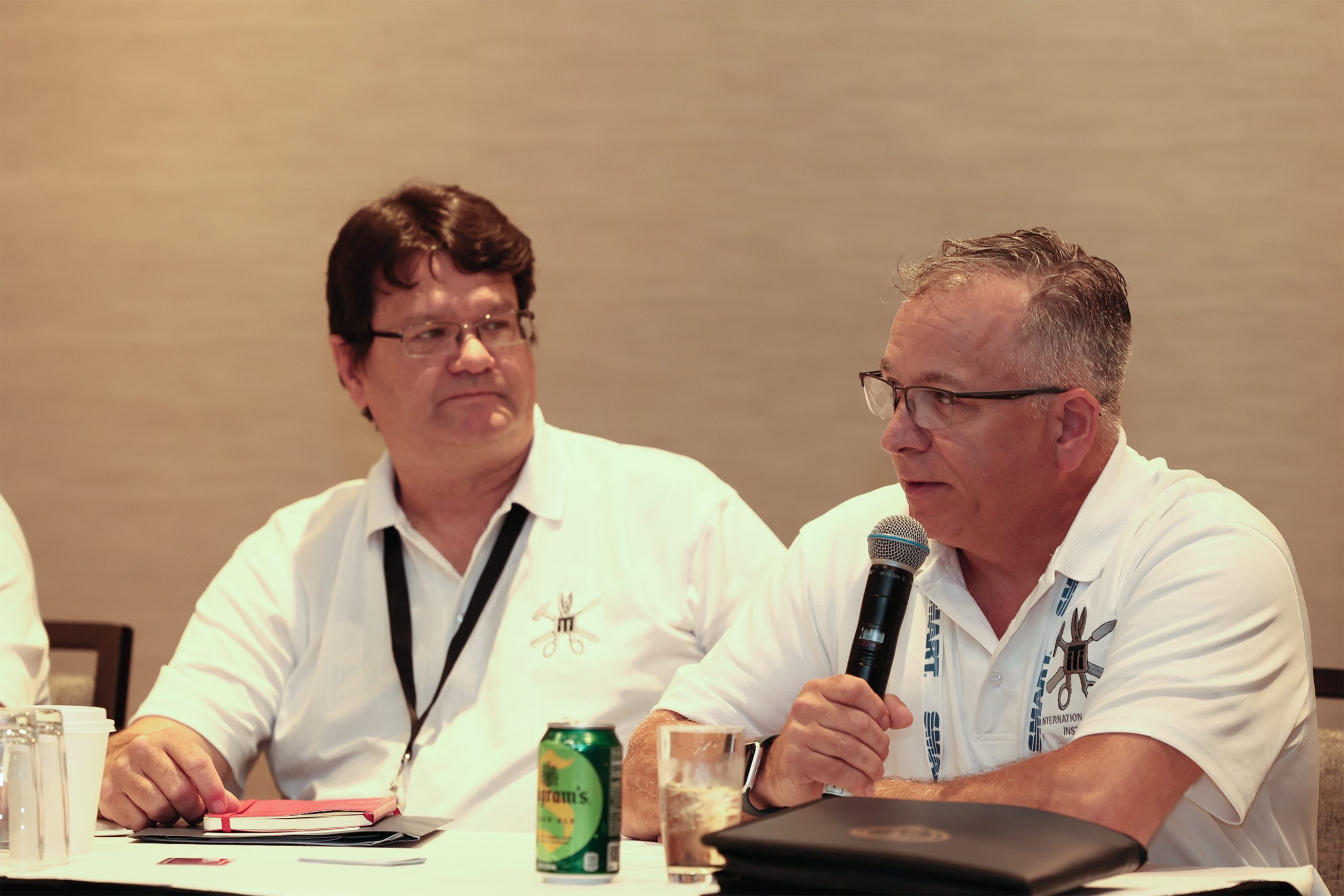
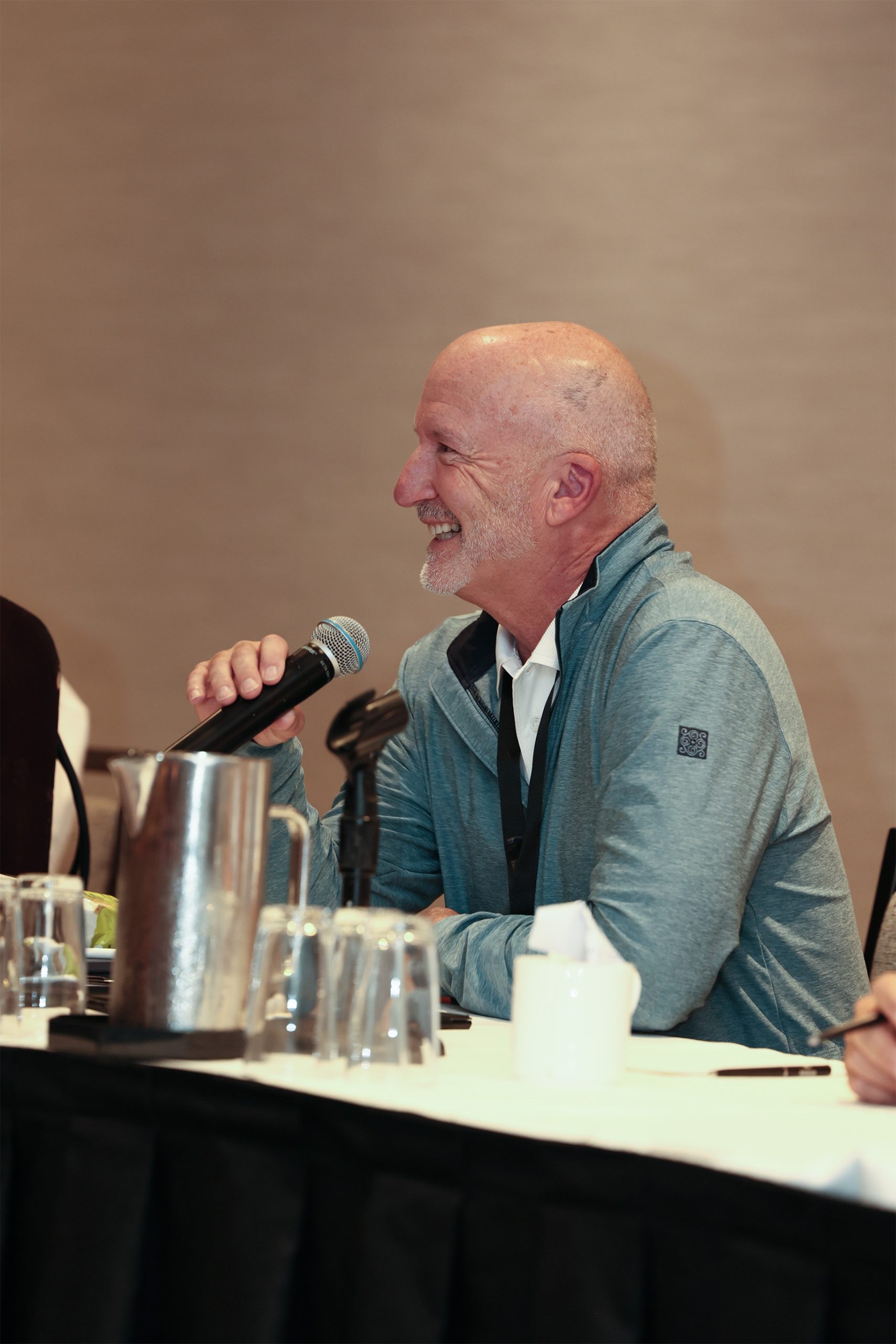
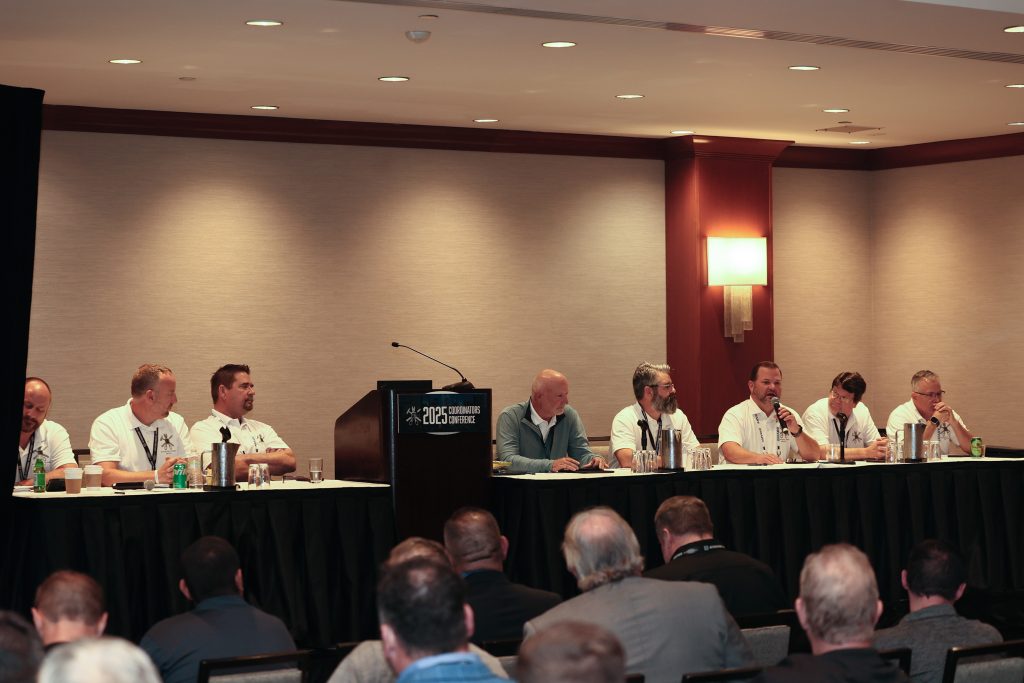
During the Coordinators Conference in New York, attendees were sorted by region and then into breakout sessions where they could meet with their ITI field representatives, field representatives from NEMI and SMOHIT and their coordinator mentors — two veteran coordinators chosen from each of the four regions. During those sessions, participants shared struggles and successes and discussed ideas and innovations.
The idea is for the coordinator mentors to meet regularly with their field representatives and Tammy Meyen, ITI director of recruitment and retention, to discuss what coordinators need to succeed.
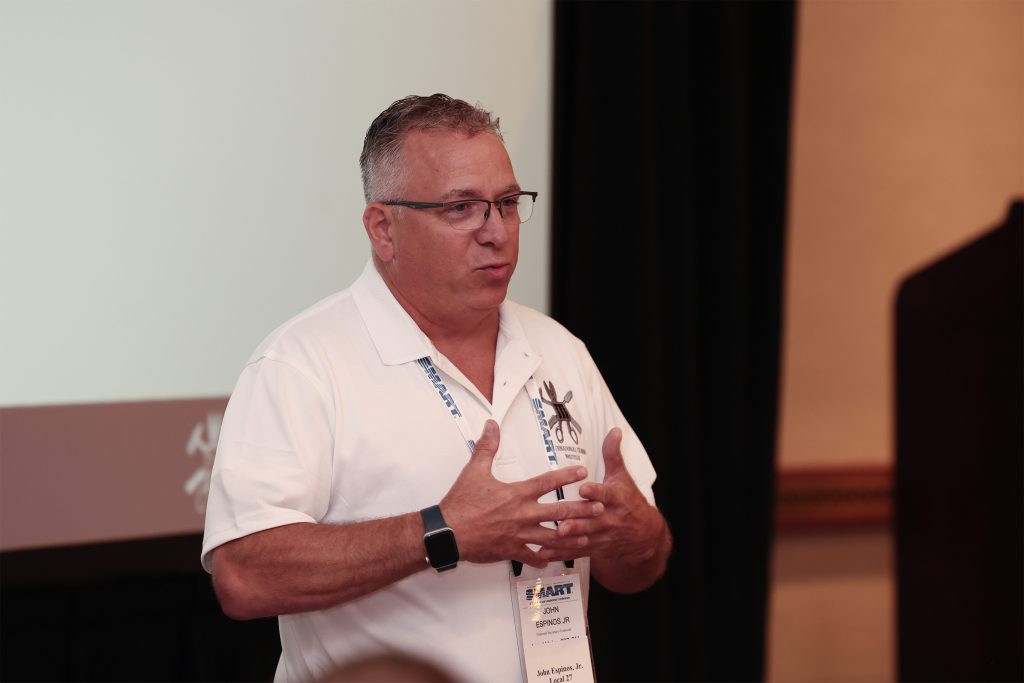
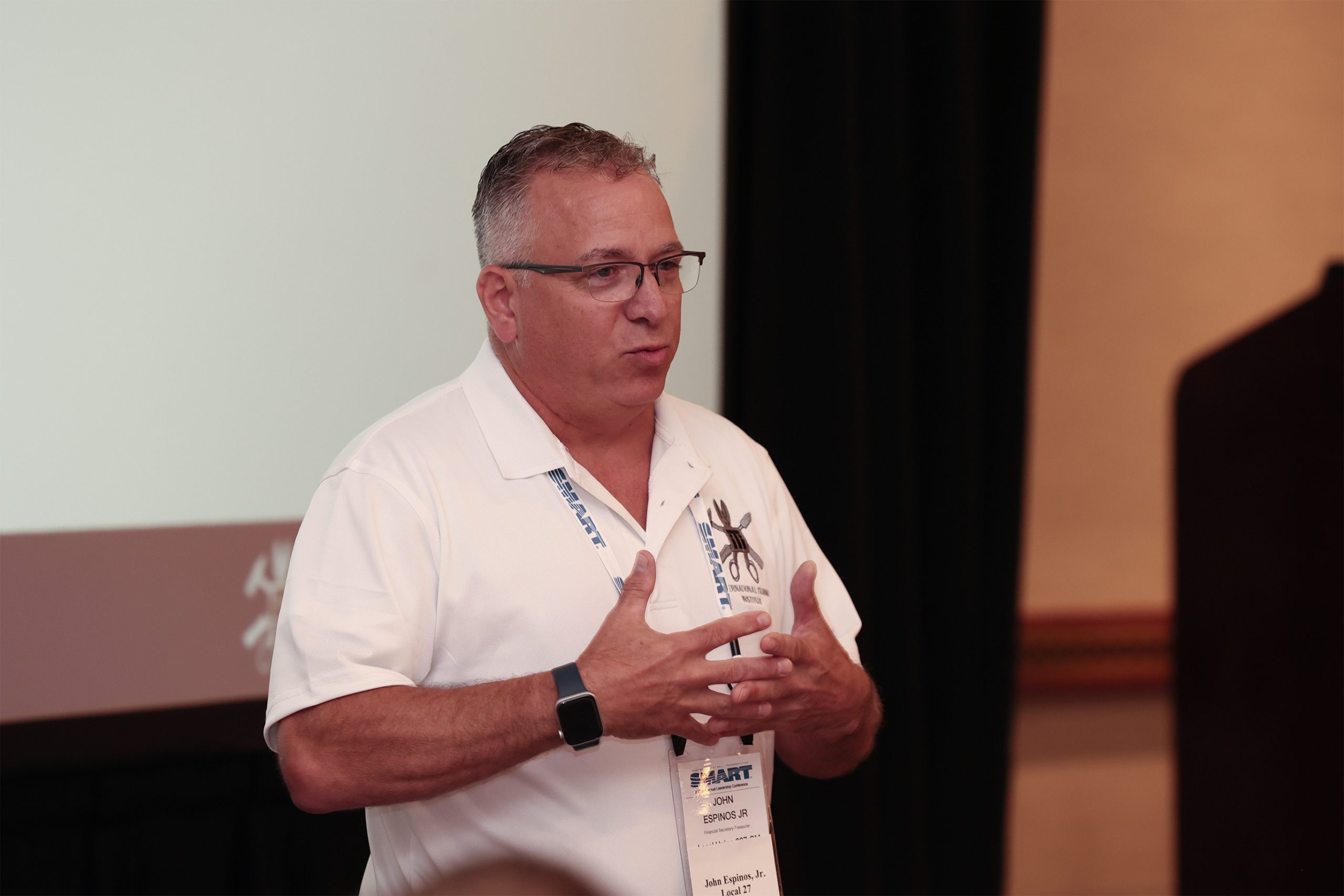
“Sometimes it’s easier to call and talk to one of your peers,” said John Espinos Jr., training coordinator at Local 27 in New Jersey and coordinator mentor for Region 1. “After the conference, I received phone calls regarding accreditation, sharing documents, welding procedures, recruitment, financials — it was great. My phone lit up after the conference. Our breakout sessions were fantastic.”
And that’s the idea — to share information, pass it along and make the industry better than you found it.
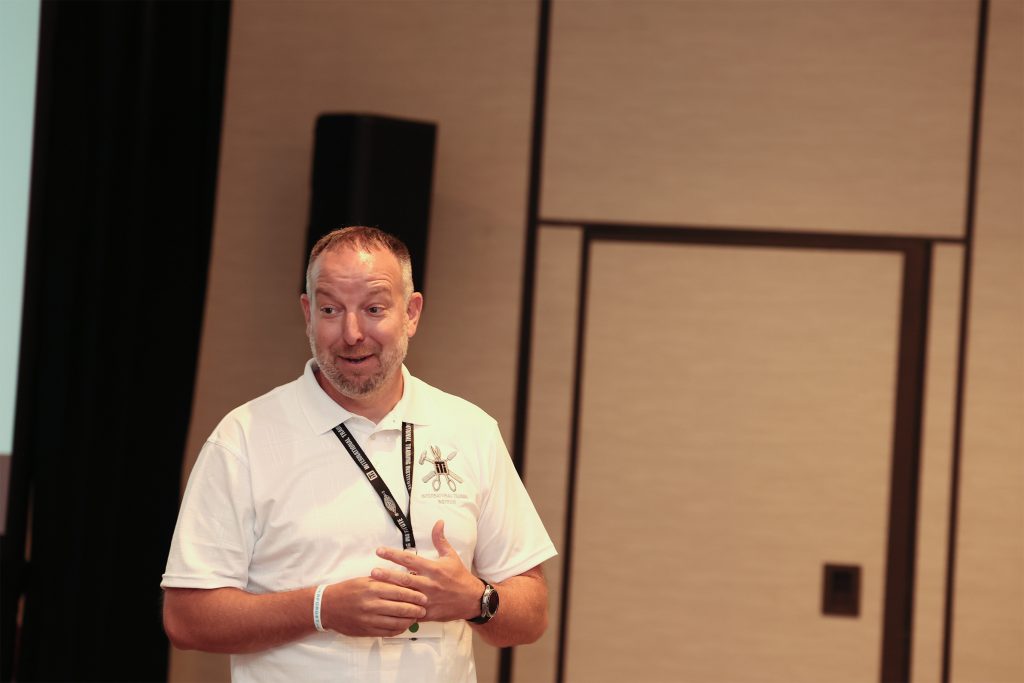
“I wouldn’t have made it as coordinator for 22 years had I not had coordinators that were mentors to me,” said Alan Still, training coordinator for Local 85 and coordinator mentor for Region 3. “I thought it was a great idea. I’ve always had a desire to help coordinators. I’ve been through a lot of stuff, and I’ve experienced some tough times dealing with limited funds. It was a perfect time.”
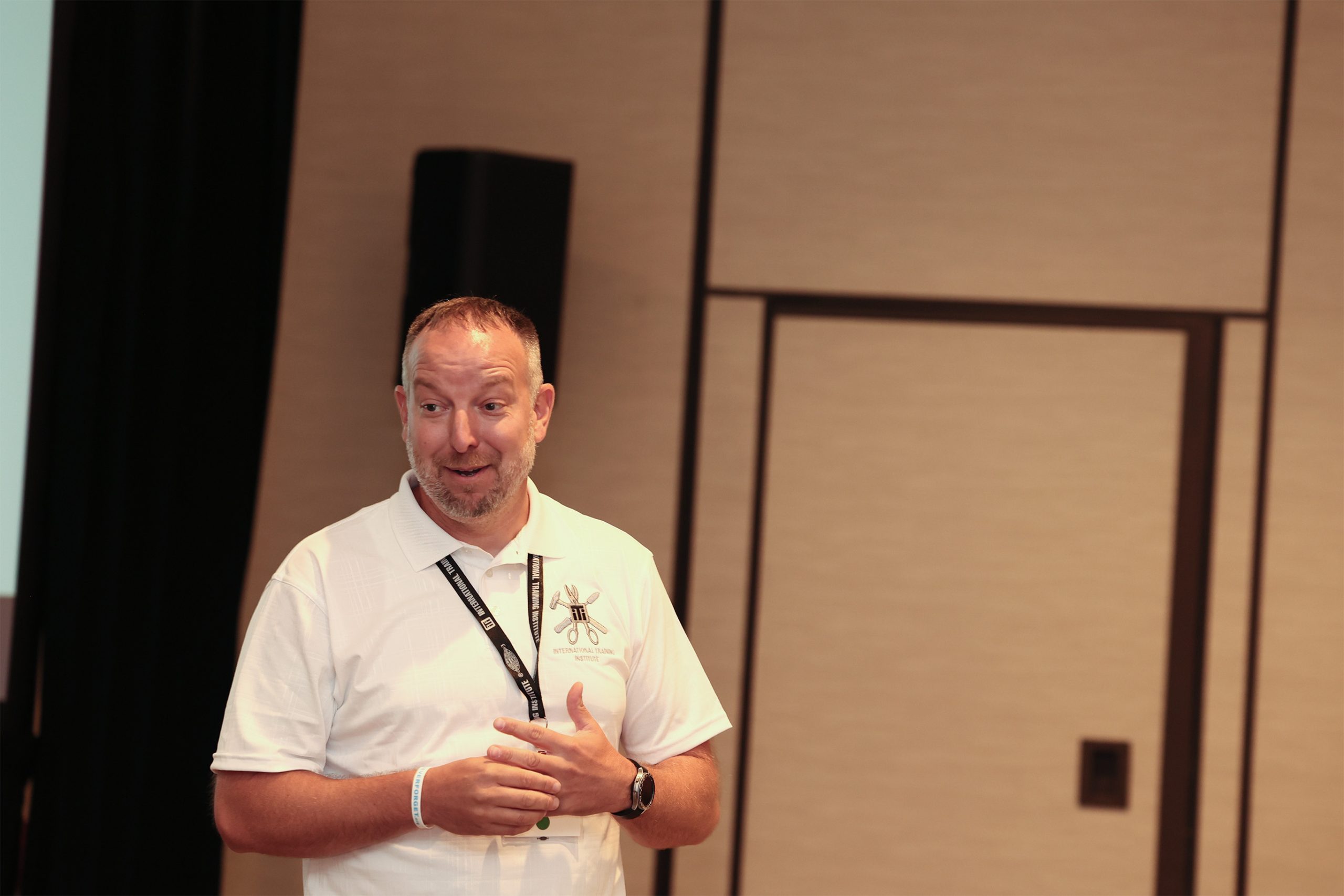
While the ITI can offer information and answer questions, training coordinators, especially new ones, are often afraid of asking “silly, stupid questions,” said Ryan Lehmann, training coordinator for Local 7 in Michigan and coordinator mentor for Region 2.
“You don’t know what you don’t know, and I didn’t know anything,” he said. He recalled his early days in the role — the previous training coordinator had quit abruptly, leaving him without a mentor and, more importantly, without key pieces of information. “To have a list of peers I could reach out to, other coordinators, would have been a lot easier for me, my nerves and my anxiety.”
Lehmann agreed with Myres — new coordinators don’t have to go through what he did, because they have a network they can tap into.
“I had to find resources. I had to email people I didn’t know who they were,” he added. “Tim [Myres] nailed it with that. You don’t have to have the anxiety I had, looking at that accreditation packet and thinking ‘this is impossible.’”
The creation of the coordinator mentor program and the breakout sessions at the Coordinators Conference were a success, Myres said.
“It definitely did what it was aiming to do,” he added. “I thought it was a long time coming. I was very happy when they decided to develop a program specifically for coordinators.”
Just like there’s more to the job as an apprentice versus a training coordinator, there’s more to what a mentor can provide at this level.
“The Coordinator Mentor Program is about more than guidance,” Meyen said. “It’s about creating a network of experience, encouragement and shared success.”
Coordinator mentors meet once a quarter to keep the conversation going, so all those phones that rang post-conference don’t stop ringing.
“You have to keep the momentum going. If you don’t follow up on it, it’s going to die,” Still said. “The ITI put together a good format, and there were a lot of interesting questions from the coordinators. I told my peers the Coordinator Mentors are the people you could call. I think it’s a great thing.”
Coordinator Mentors by Region
For contact information, reach out to your field representative.
Region 1: John Wilson, field representative
John Espinos, Local 27
Clint Dockery, Local 33
Region 2: Craig Verstraete, field representative
Dennis Moran, Local 265, consultant
Chris Kelley, Local 268
Ryan Lehmann, Local 7
Region 3: Trent London, field representative
Alan Still, Local 85
Doug John, Local 67
Region 4: Jason Ferguson, field representative
Jeff Reinhardt, Local 66
Tim Myres, Local 104