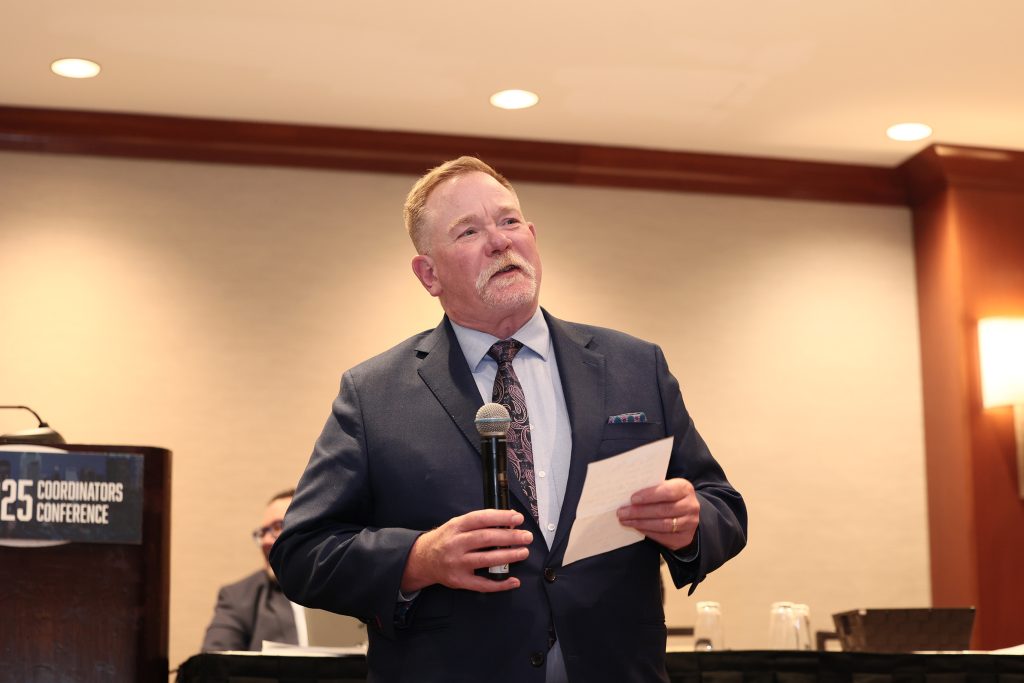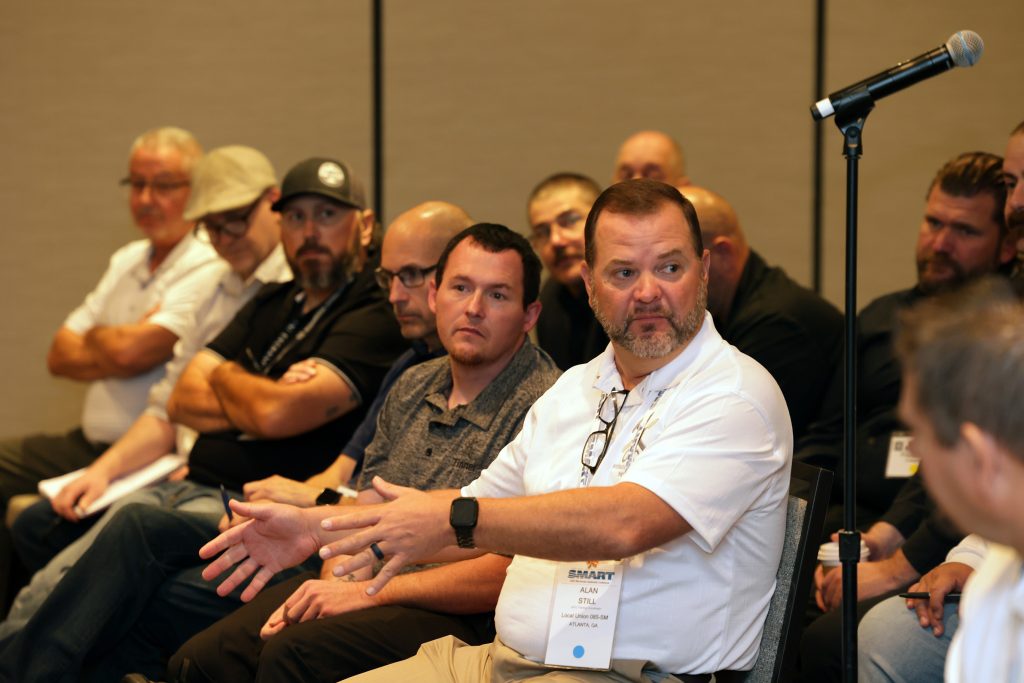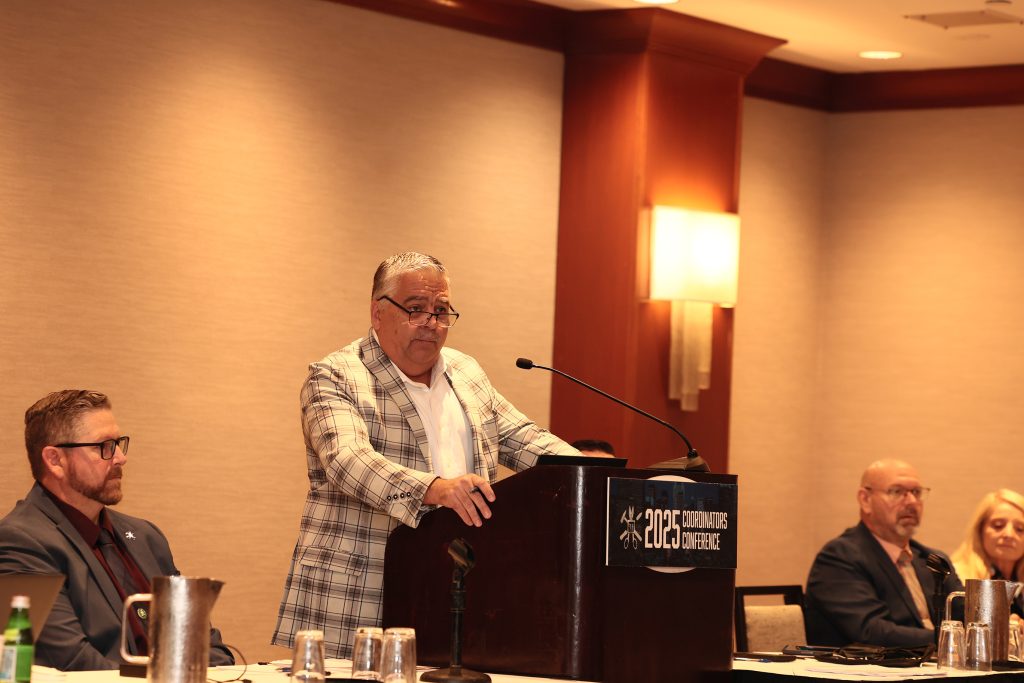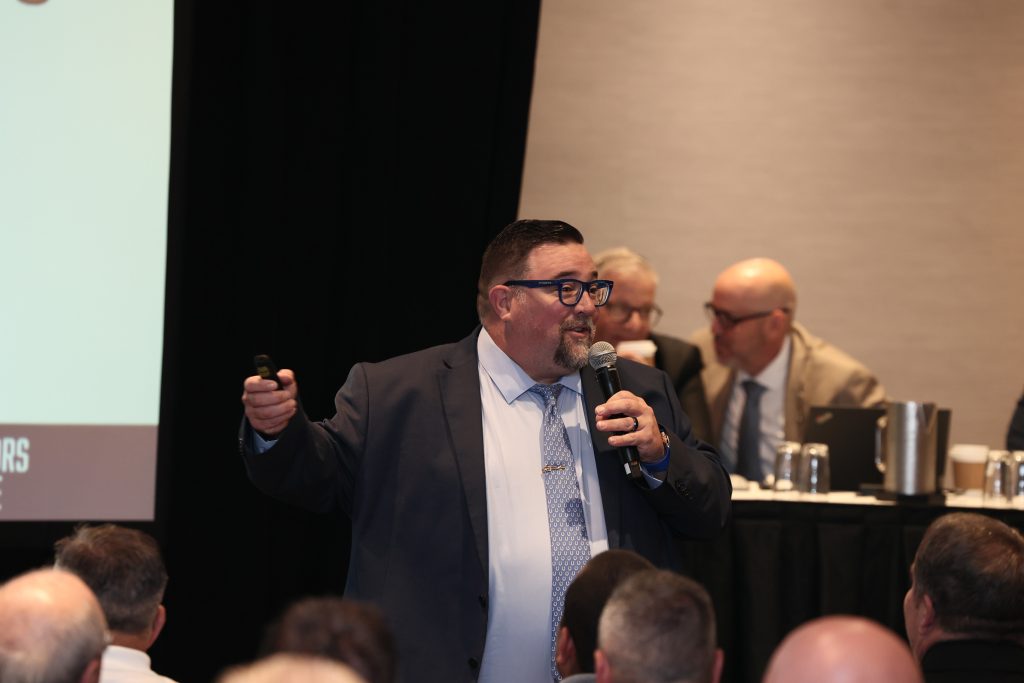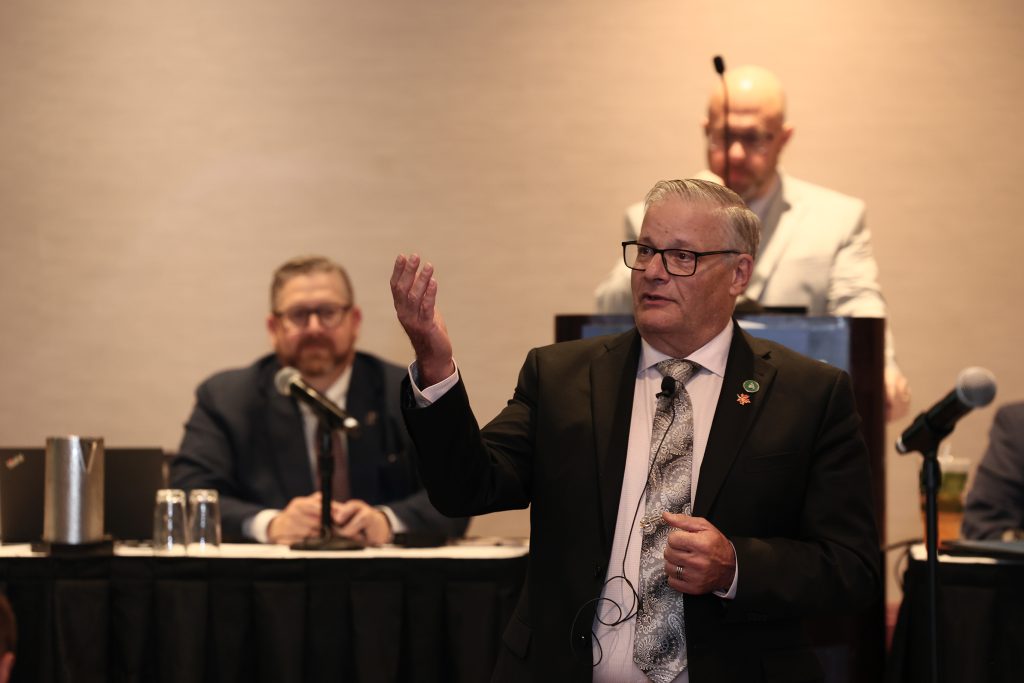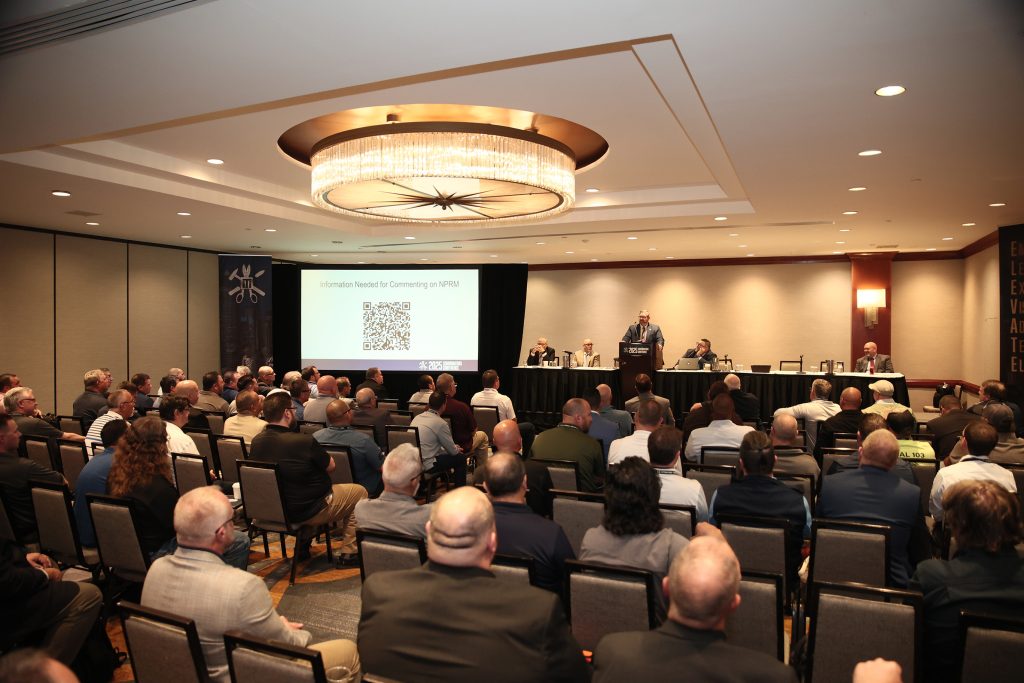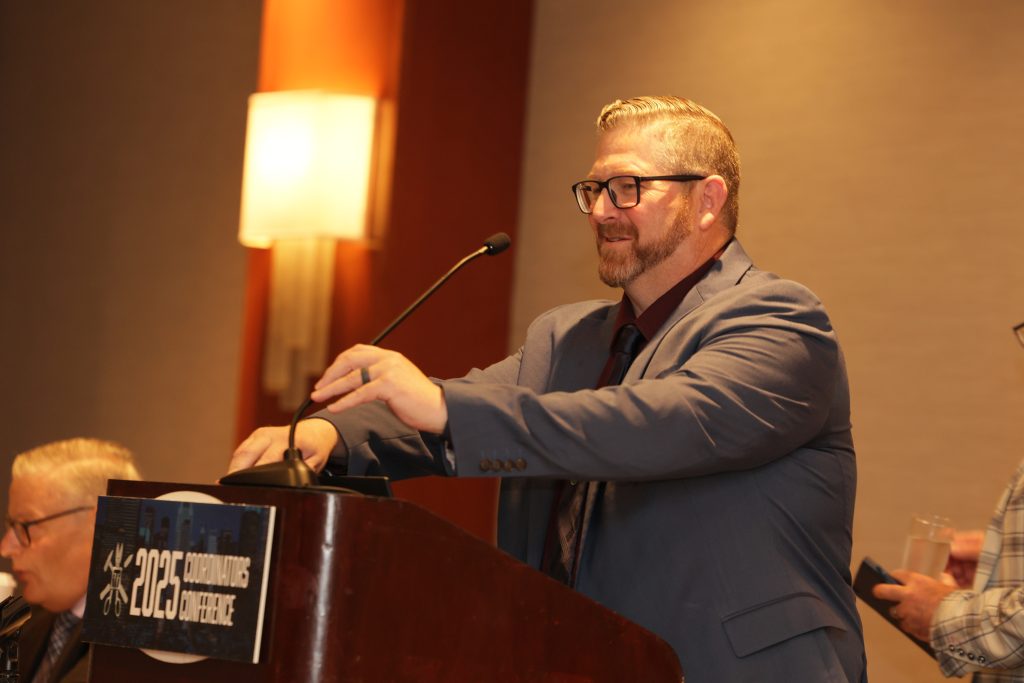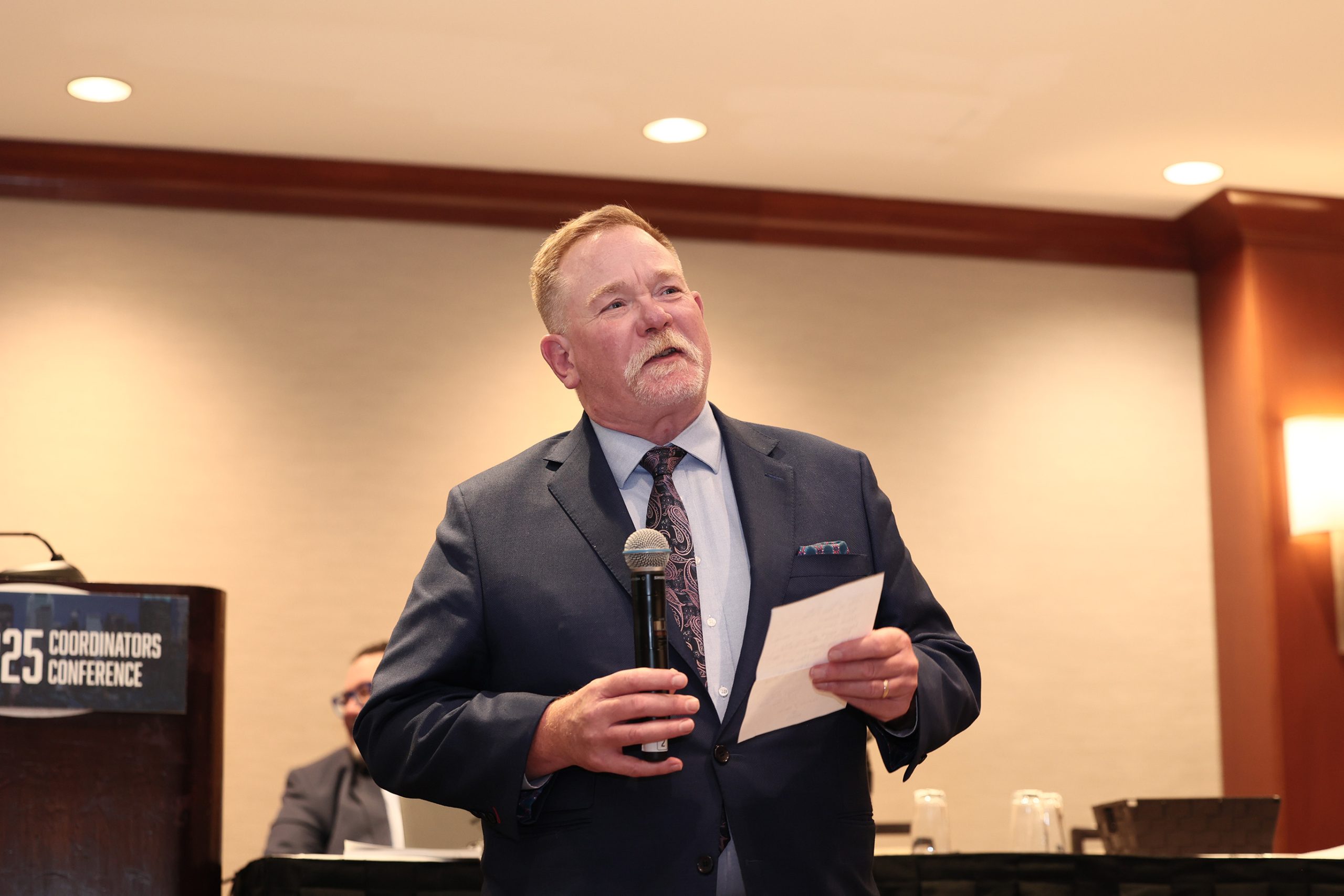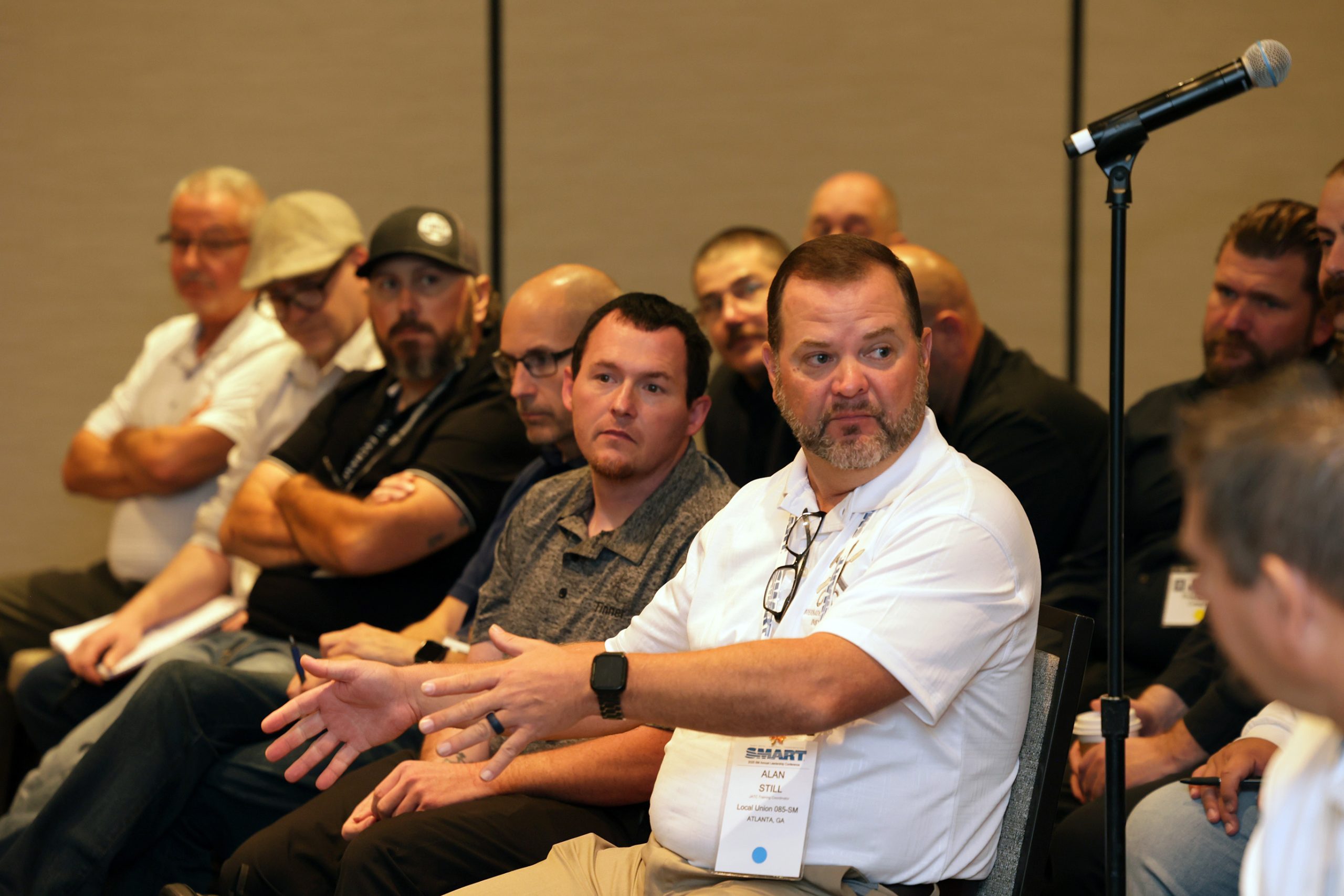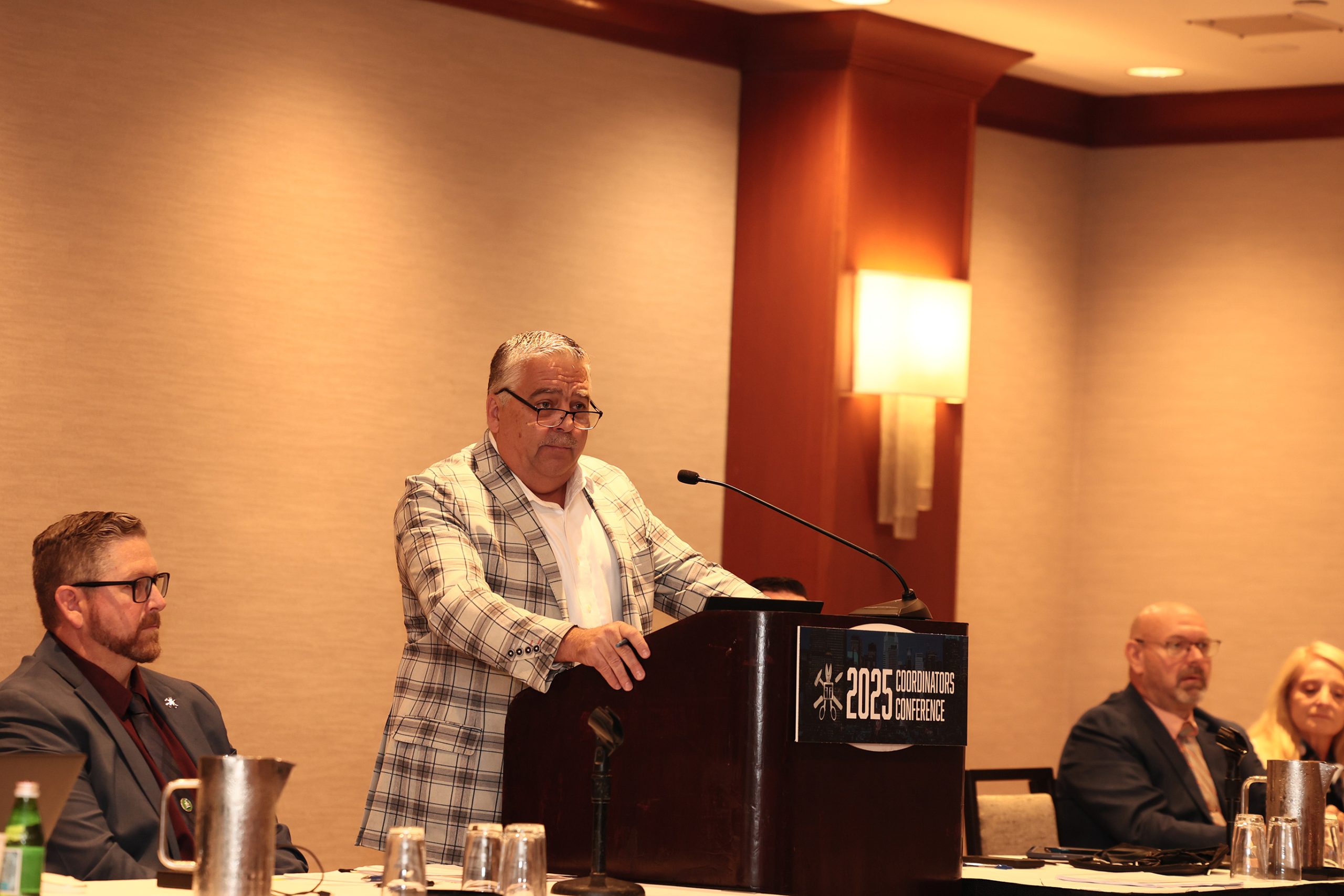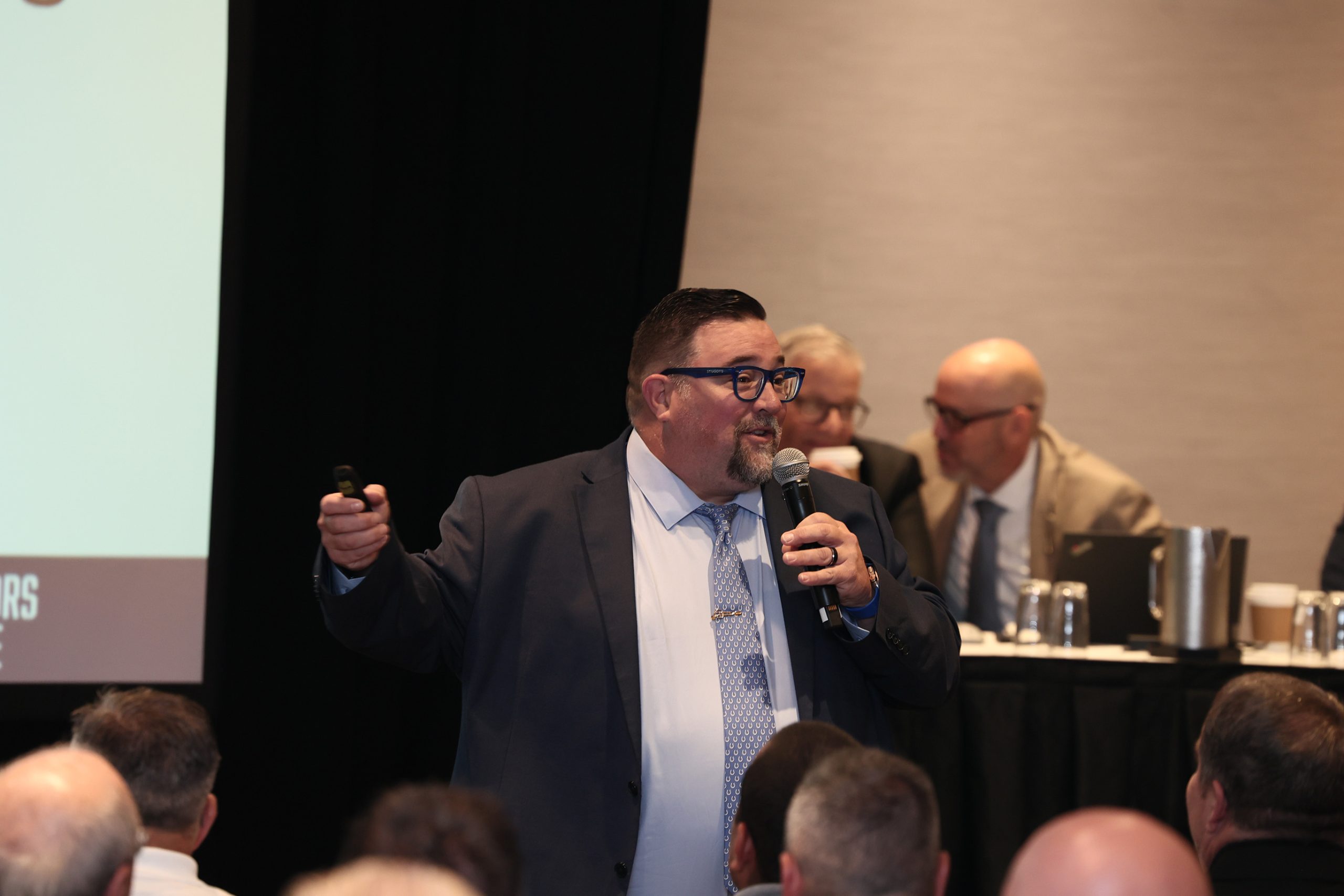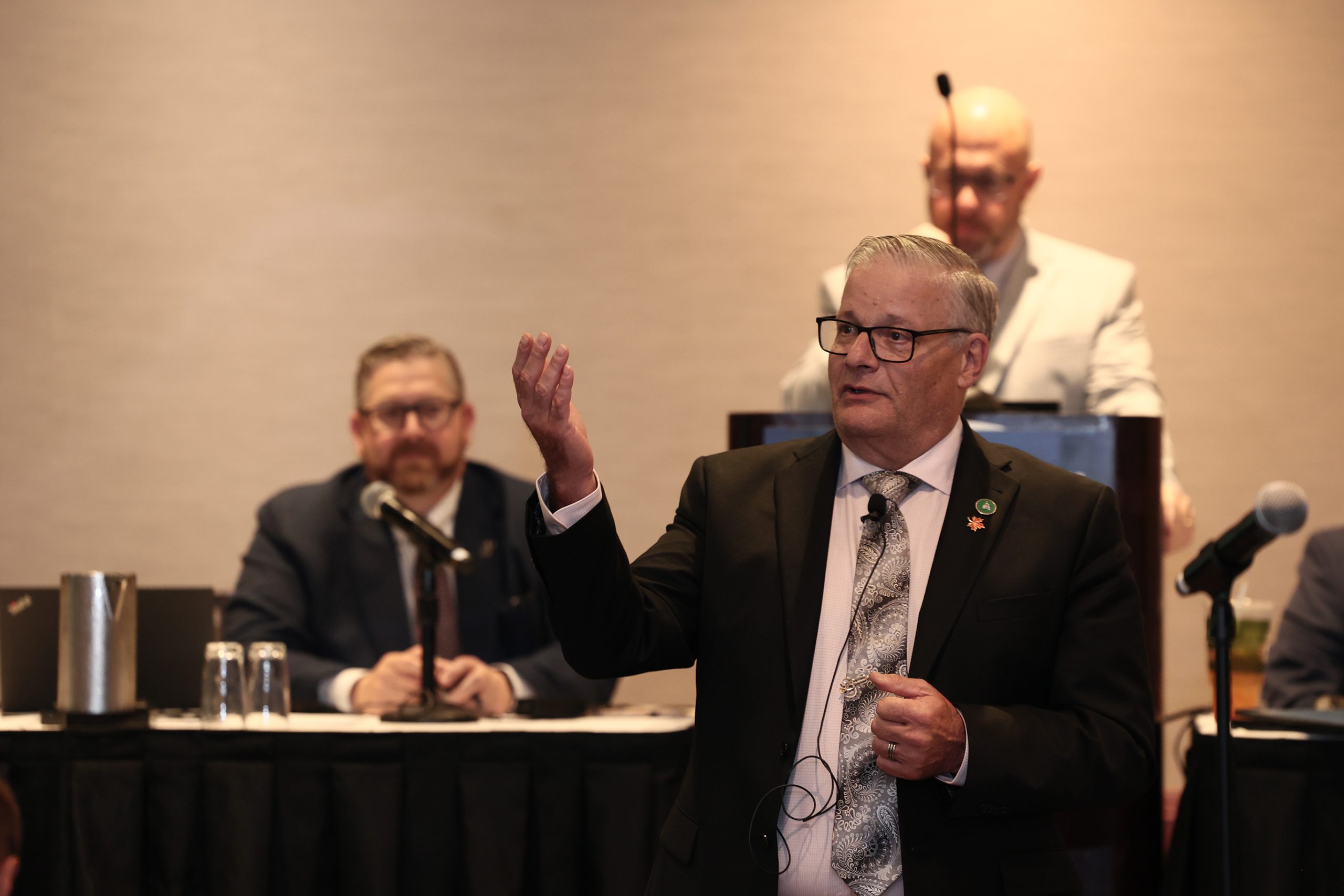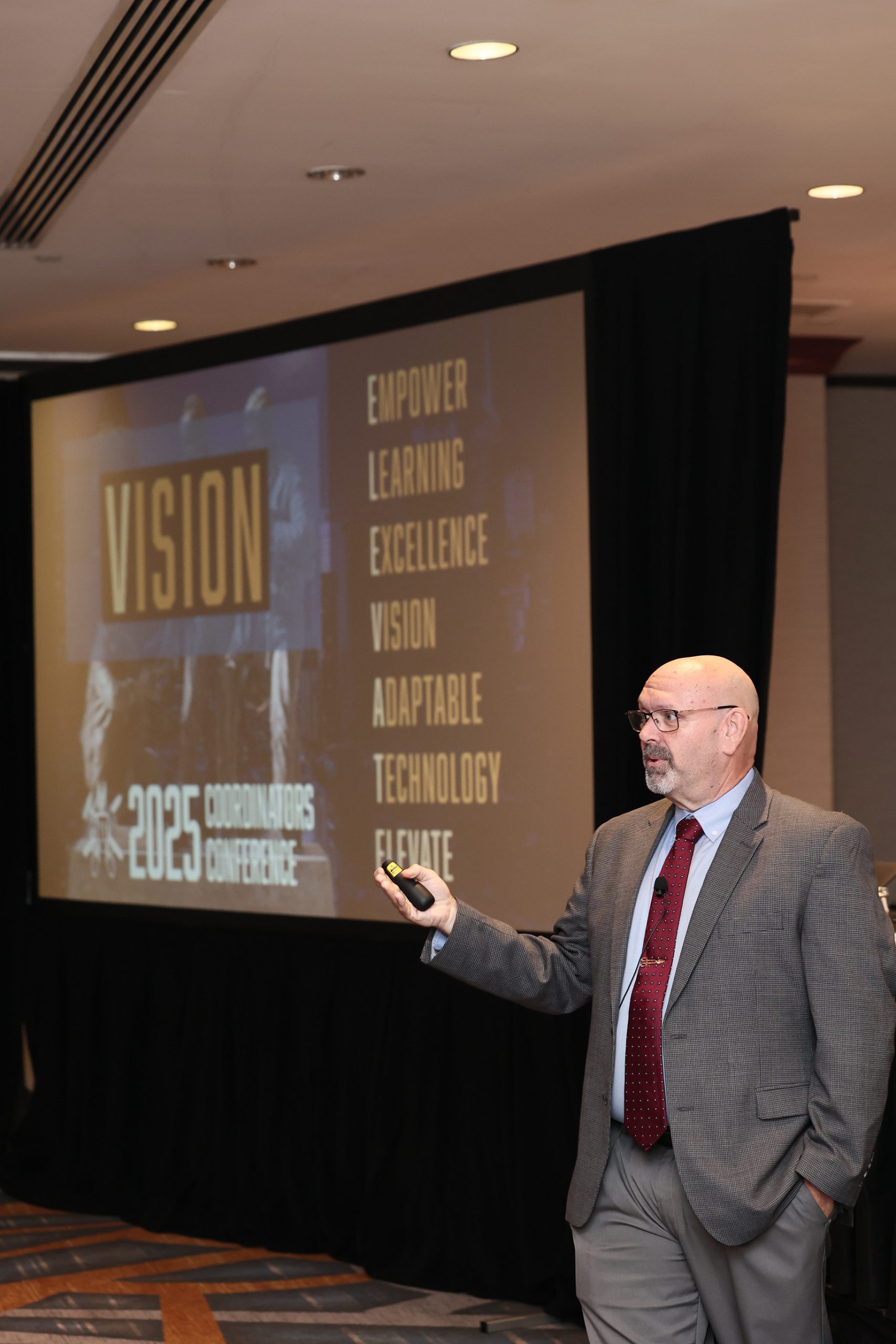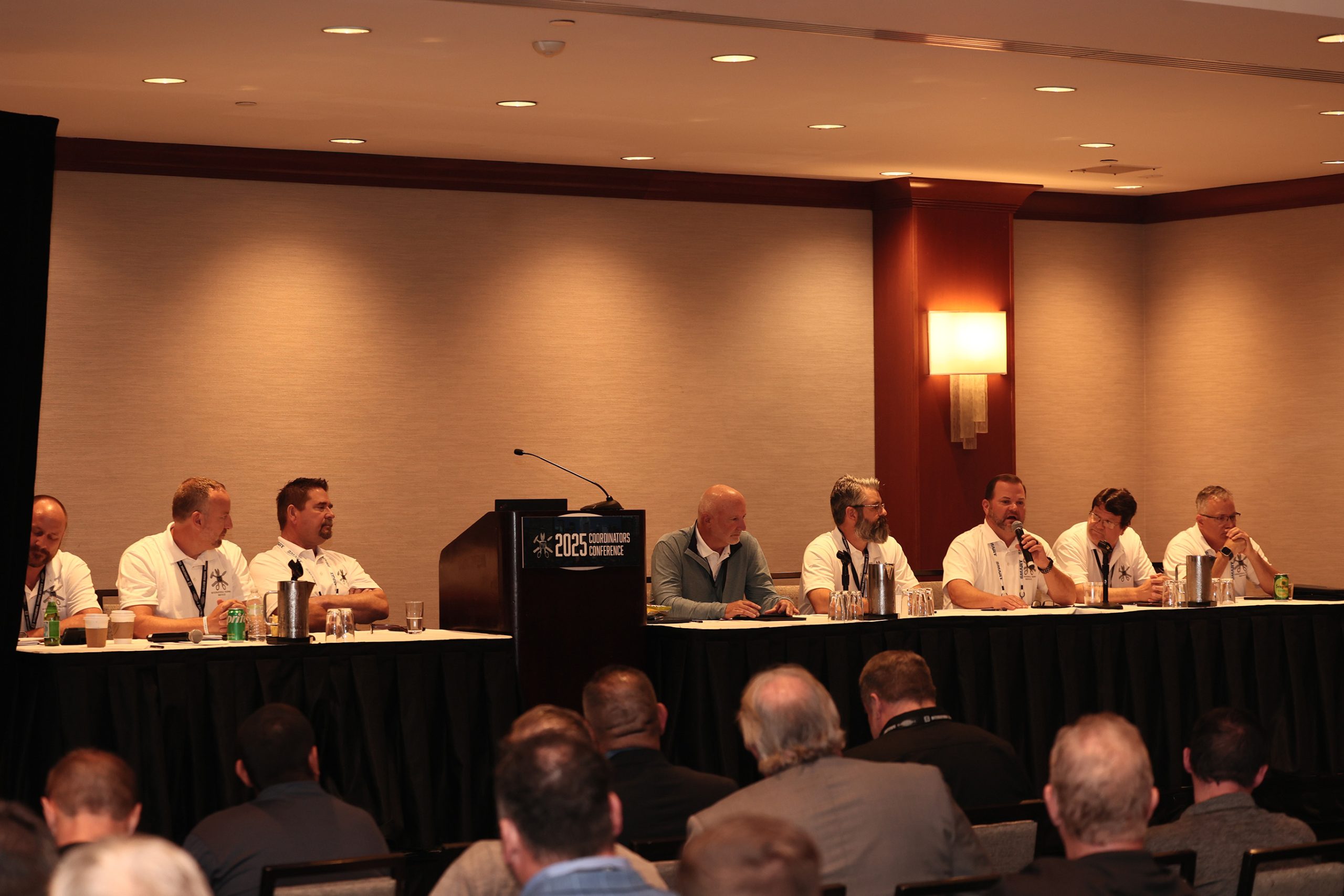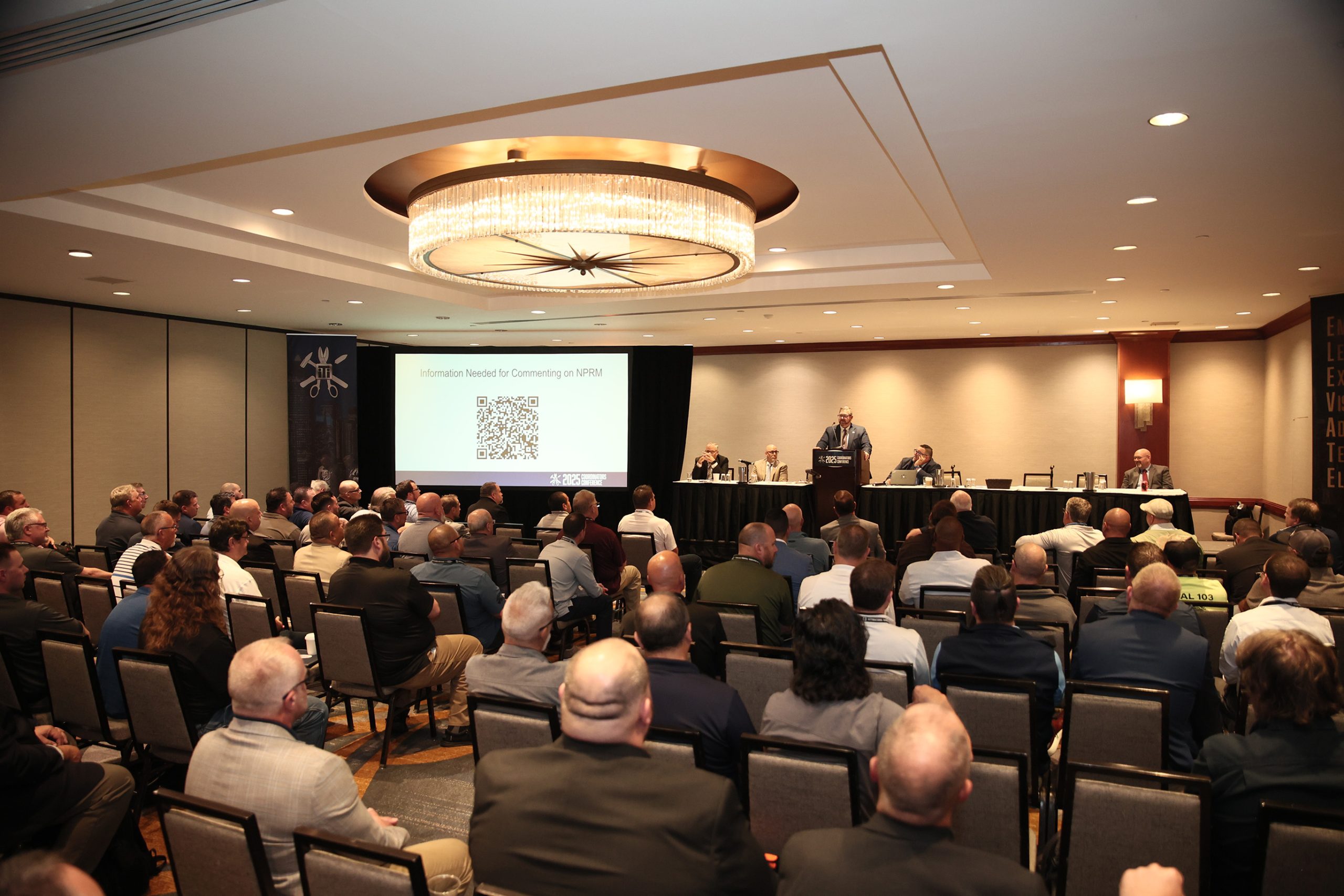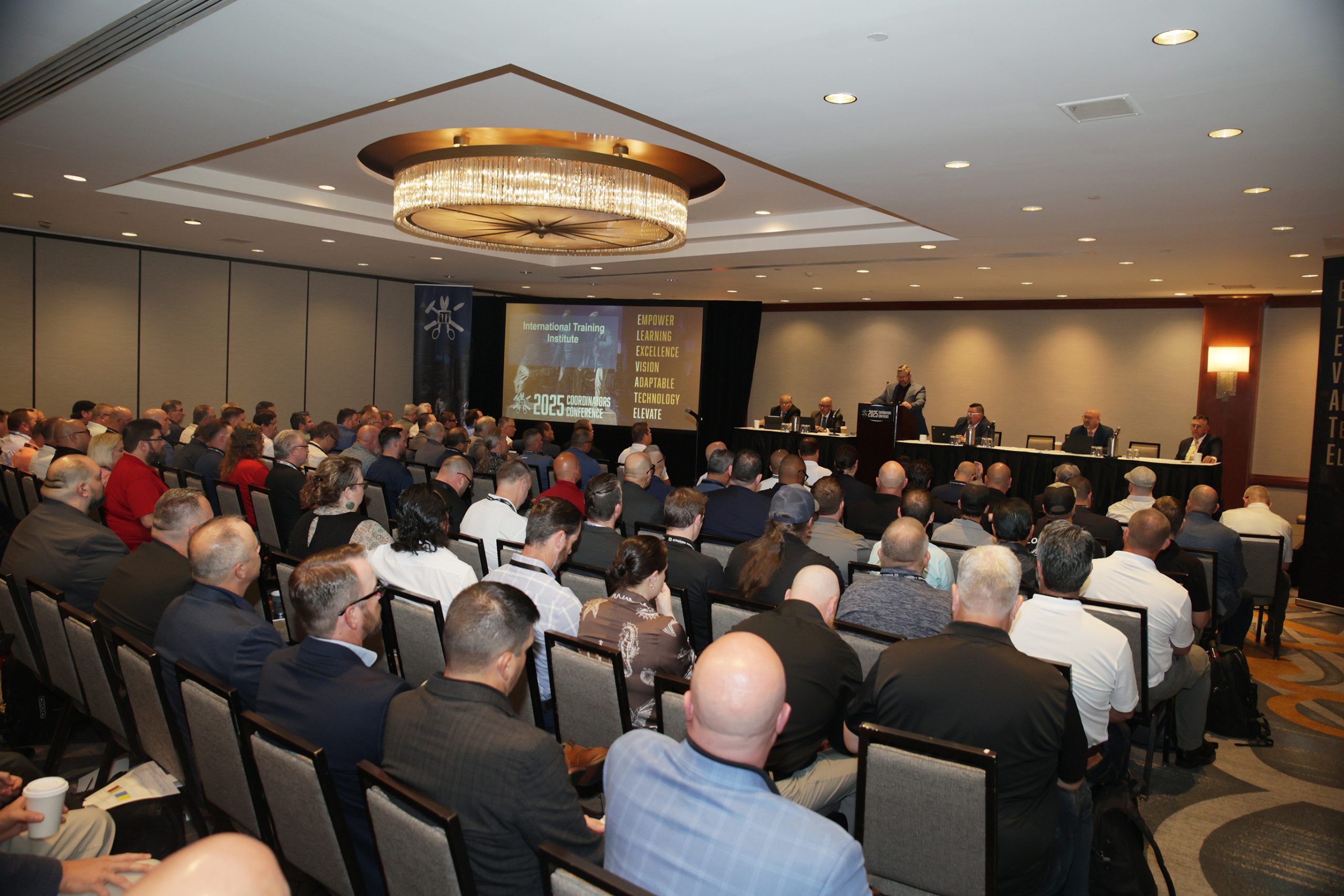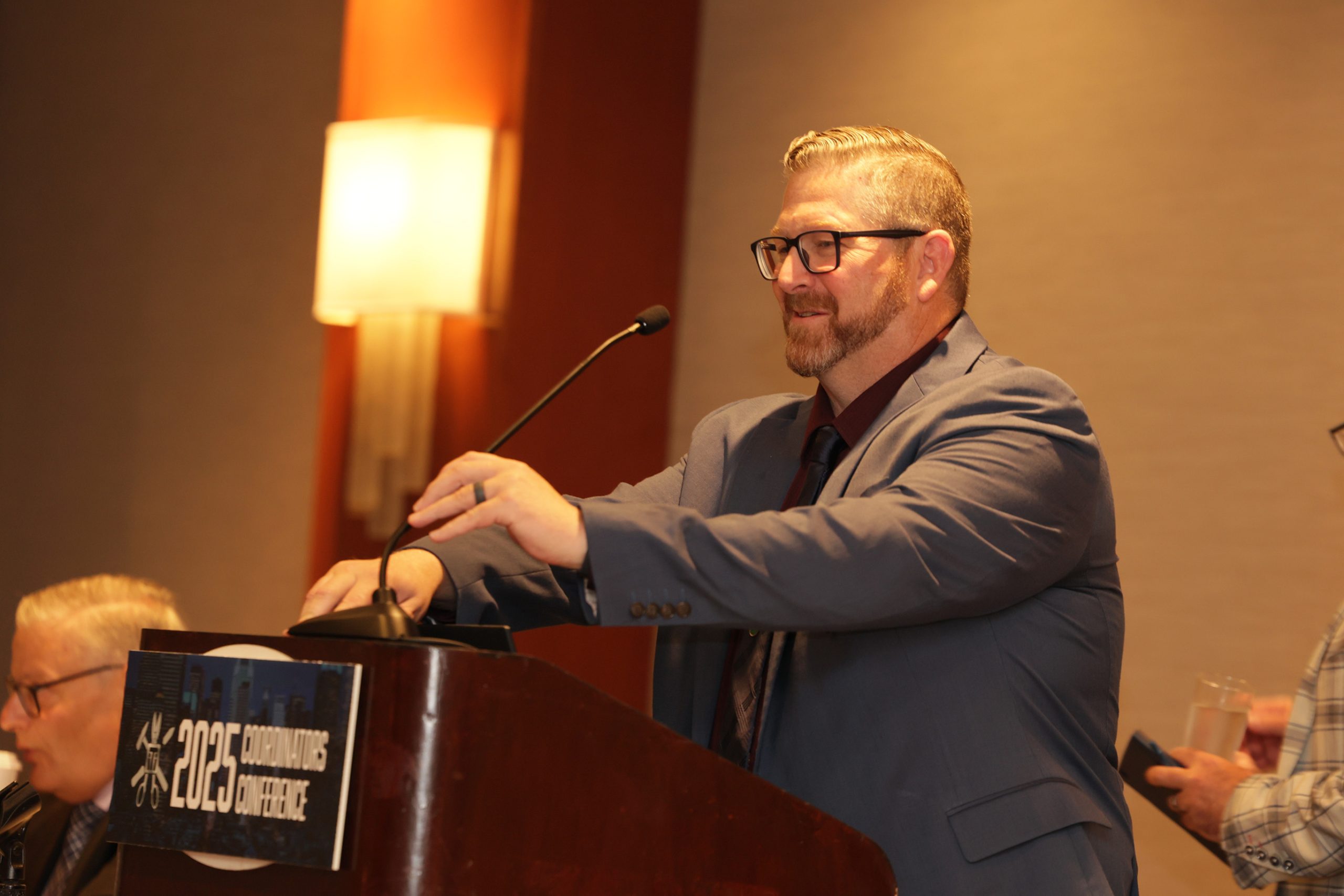
Nearly 100 training coordinators from sheet metal apprenticeship programs throughout the United States and Canada gathered Aug. 7-8 at the Midtown Hilton in New York City for the annual Coordinators Conference, held by the International Training Institute (ITI), the education arm of the unionized sheet metal industry. From talks to breakout sessions and social time, each moment was filled with opportunities to learn, share ideas, discuss new policies and build relationships. Feedback was overwhelmingly positive, with attendees praising the information and format of the conference.
From opening remarks onward, Funds Executive Director Mike Harris and John Jackson, who recently took the reins from Harris as ITI administrator, emphasized the need to help one another and reach out for advice. Mentorship was an overarching theme of the conference, and coordinator mentors — two veteran training coordinators from each of the four regions — were introduced to attendees as not only leaders of break-out sessions later in the conference, but also as people to call for advice outside of the conference.
International Association of Sheet Metal, Air, Rail and Transportation (SMART) workers General President Mike Coleman reminded coordinators they are a vital part of the industry and often the first point of contact for future members. He recalled being an apprentice himself, and nearly being thrown out of the program twice — saved each time by a coordinator who cared.
“They saw something else in me, and they changed my life,” Coleman said. “You’re more than just coordinators, more than just trainers, you’re mentors. You touch people, and that’s a gift.”
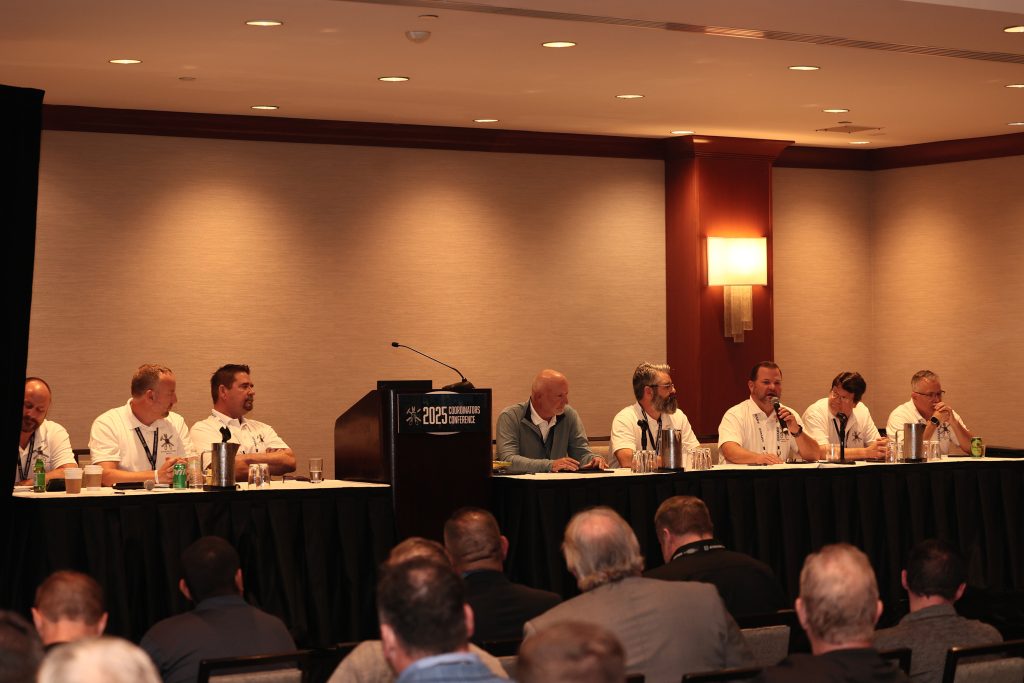
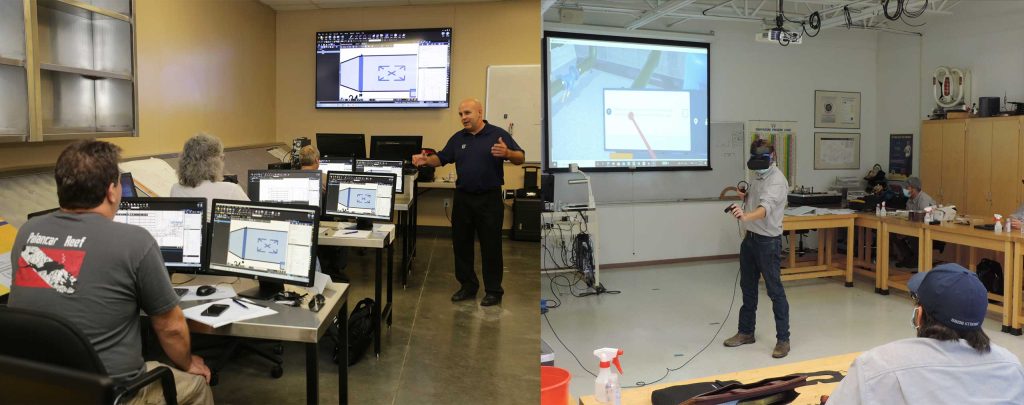
An important piece of the conference were the breakout sessions, where regional sessions for smaller, less formal talks could take place with plenty of audience participation. These became some of the conference’s most valuable moments, coordinators later reported. Funds representatives and experienced coordinators shared strategies, reminding newer coordinators they did not have to reinvent the wheel. During a Q&A panel later, the mentor coordinators offered perspectives on everything from direct-entry applicant pools to training center maintenance to fostering a good relationship with trustees.
Tim Myres, executive director for the SMART Local 104 and Bay Area Industry Training Fund, urged coordinators to never let trustees get blind-sided and make sure they know everything you do is in pursuit of the training program. He also stressed the importance of meeting one-on-one with contractors to keep curriculum up to date.
“Ask them ‘how are we supporting you?’” Myres said, “but also ask ‘how are we failing you?’ Then turn it around and ask how they will implement changes on their end, at the jobsite, to support new things you do in the classroom so apprentices can get that new skill.”
Accountant James Heinzman kicked off the presentations with a quick-paced lesson on everything from avoiding conflicts of interest as a fiduciary to maintaining tax-exempt status. He brought up rationalizations he’d heard over the years, from the vague to the comical. “A lot of excuses are really funny until they’re exhibit A,” Heinzman warned.
Representatives from Segal Insurance gave an overview of AI and how it can be applied to running a training center, urging coordinators to think of AI as a power tool, not a magic wand.
In discussing cybersecurity and insurance, they reminded everyone to keep a printout of any policy, because you’ll need that information on paper if the whole system is frozen.
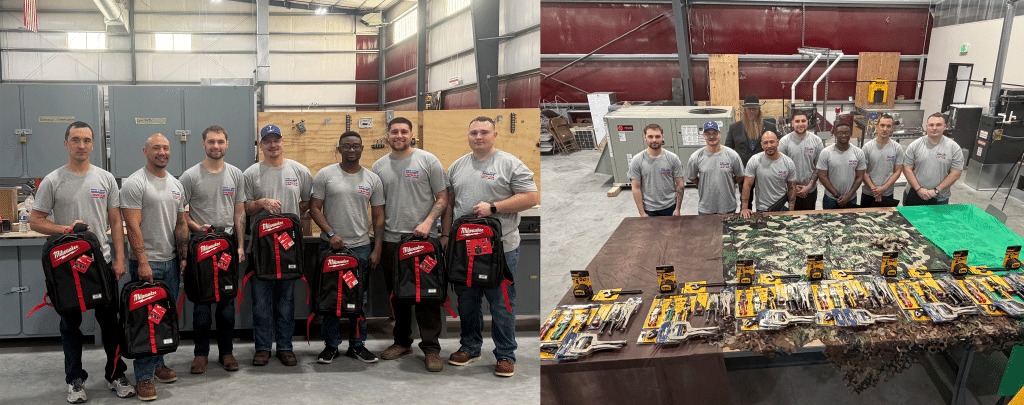
ITI staff members Darrell Garrison, Brad Hartbauer and Mike Keon informed coordinators about grants the ITI offered, including a new grant to help JATCs build or upgrade a testing, adjusting and balancing (TAB) lab. With data centers and chip plants springing up, the need is there, Garrison urged. Coordinators could outfit a new lab with equipment bought at a negotiated discount from Evergreen Telemetry, Testo or TSI/Alnor. Equipment donations, too, were available through Fluke Corporation or the Air-Conditioning, Heating, and Refrigeration Institute (AHRI).
Once built and outfitted, TAB labs need to be certified. NEMI Program Coordinator Joe Pickens and International Certification Board (ICB) Director of Certification Cassandra Kline went through the TAB lab certification road map, from scheduling to the process itself.
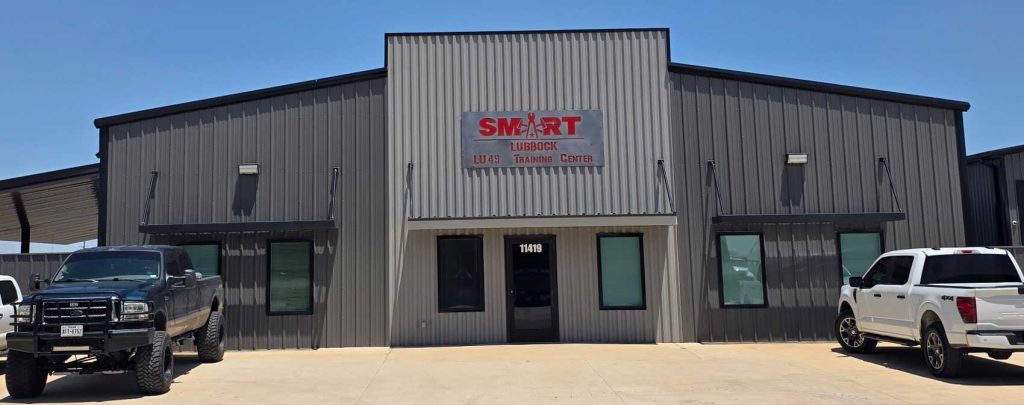
Thanks to the ITI’s coordinator subsidy program, which reimbursed 16 JATCs for 50% of the wages and benefits for a full-time training coordinator position, there were more new coordinators in attendance, all ready to learn. Tina Chapman, who recently became training center director at SMART Local 49 in Albuquerque, New Mexico, came from a union family but was never a sheet metal worker herself. With a background in safety and a master’s degree in organizational leadership, she knows her local was charting a new path when they put her in charge. The coordinators conference was a tremendous learning experience, she said.
“I love being with everyone here and getting extra insights,” Chapman said. “I practice the ‘servant leadership’ model, which is getting folks what they need to succeed.”
John Kroon, of SMART Local 104, District 3 in Santa Maria, California, has been a coordinator for just over a year. The first time he attended this conference, in 2024, he absorbed stories from around a hundred colleagues who he didn’t really know. This year, he was happy to say many were friends.
“I appreciate hearing solutions to problems that I might not even have at my local — but by implementing those solutions you can still improve things,” Kroon said. “Always improve, never settle.”
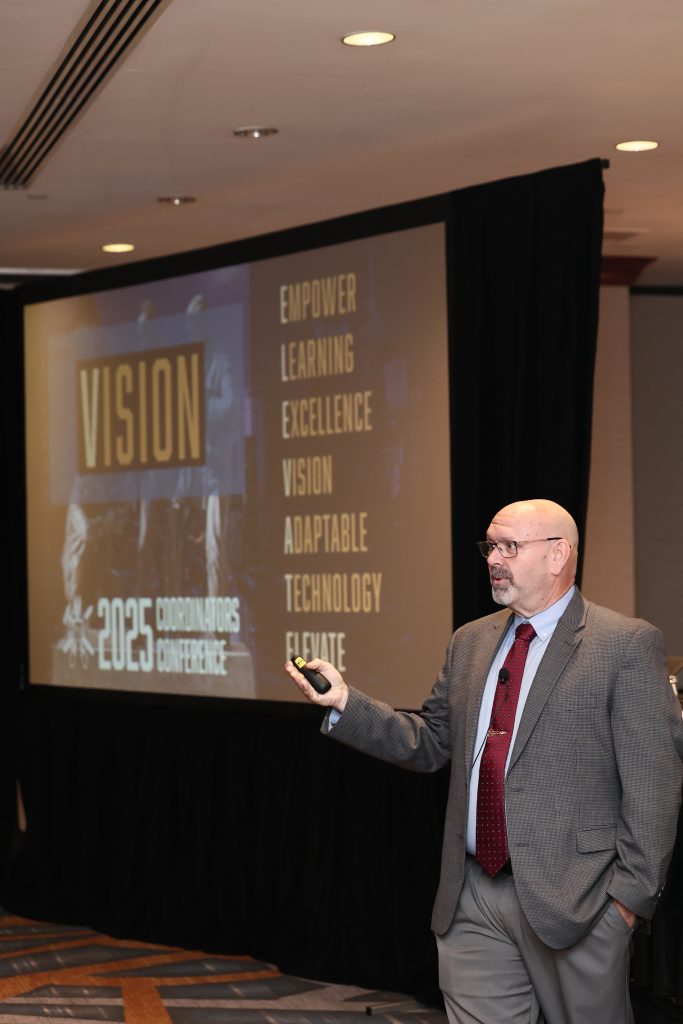
Day two began with Harris explaining that, each year, he chooses a word to help focus his staff, and 2025’s word was “elevate.” Leadership requires vision, Harris said, as well as patience and the understanding that “no” is always the first step to “yes.”
Kristin Bruck, human resources administrator at Sheet Metal Workers’ National Pension Fund, led coordinators through a series of true/false questions on best practices in human resources. She emphasized the goal was to avoid distractions at the workplace and make it a fair, equitable environment — and fairness is respect, she said. That respect fosters trust, which is good for company culture and as a business strategy.
The ITI’s fellow Funds also took the floor, with Craig Reehten, introducing himself as the National Energy Management Institute’s (NEMI) new administrator. He described how NEMI provides resources, defines new market opportunities, develops industry-recognized certifications and participates in developing codes and standards. Reehten reminded coordinators that NEMI was there to support, not dictate — they give coordinators a playbook and then stay in the background. Aldo Zambetti, administrator of the Sheet Metal Occupational Health Institute Trust (SMOHIT), then introduced his team and described their goal to give members health and safety resources and then help them to learn how to use those resources. These include training sessions and classes as well as the Workplace Exposure Research Program, SMOHIT’s Toolbox Talks, Naloxone kits and the 24/7 SMOHIT Helpline at 1-877-884-6227.
ITI Recruitment and Retention Specialist Tammy Meyen spoke about partnering with career and technical education (CTE) programs and emphasized that kids are learning many soft skills of trade work early. It’s important to get in front of high school counselors to forge relationships that benefit all involved. Jason Ferguson, ITI regional representative, added that many career and technical education, or CTE, programs are required to have someone from the trades on their boards, a perfect fit for coordinators.
Harris reminded coordinators of a big change planned for the following year: ITI, NEMI and SMOHIT will combine their conferences into one event, the Sheet Metal Industry Institutes Conference. Organizers will announce a location and date once details were finalized, likely in the fall on 2026, he said. So, this standalone conference was, in a way, the end of an era.
During closing remarks, Harris called up outgoing program administrator Len Liebert, who was two months from retirement. Liebert reflected on all the sheet metal workers he’d taught over his 37 years, and attendees from all levels of experience as coordinators, were united in giving Liebert a long and heartfelt standing ovation.