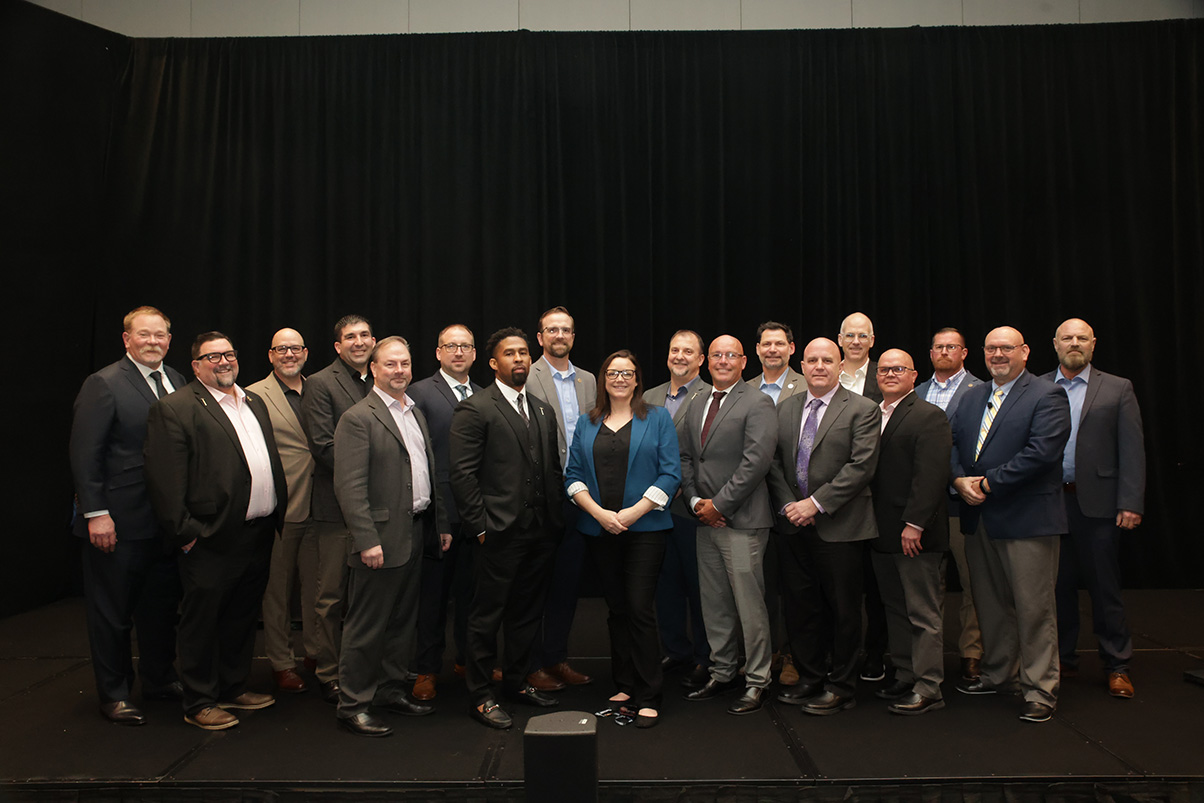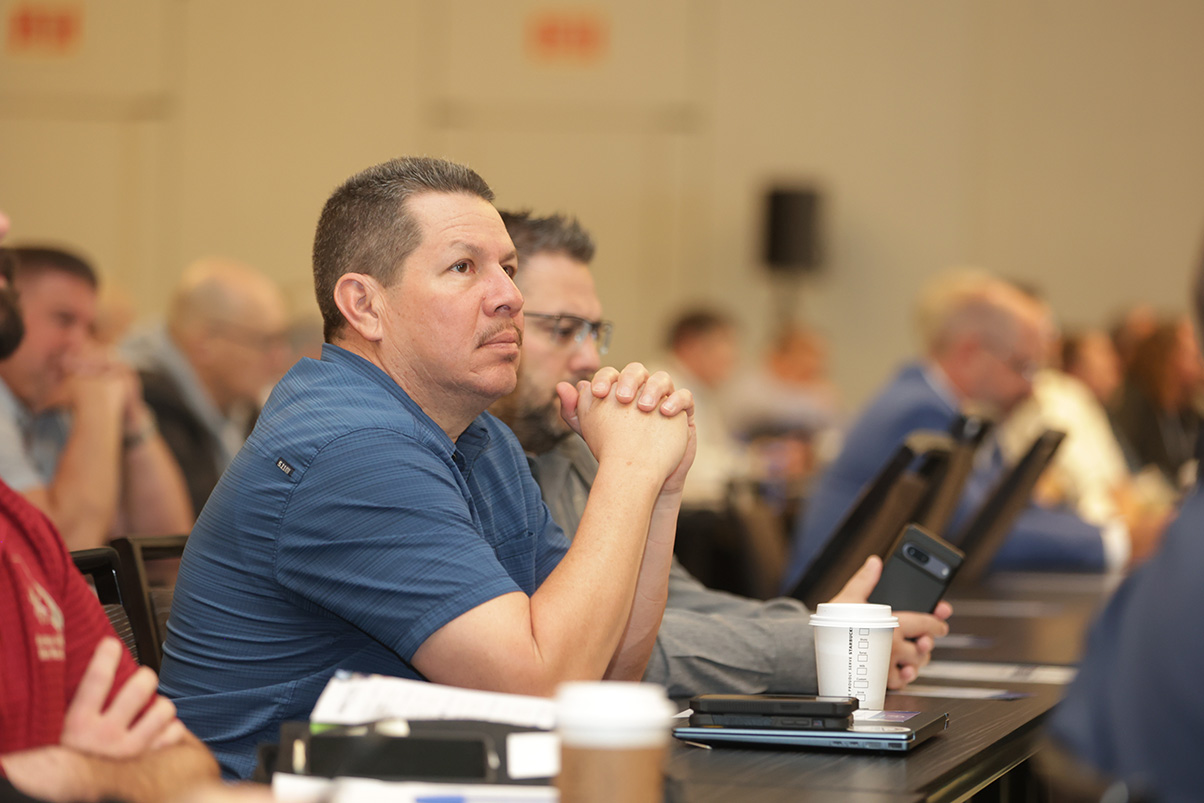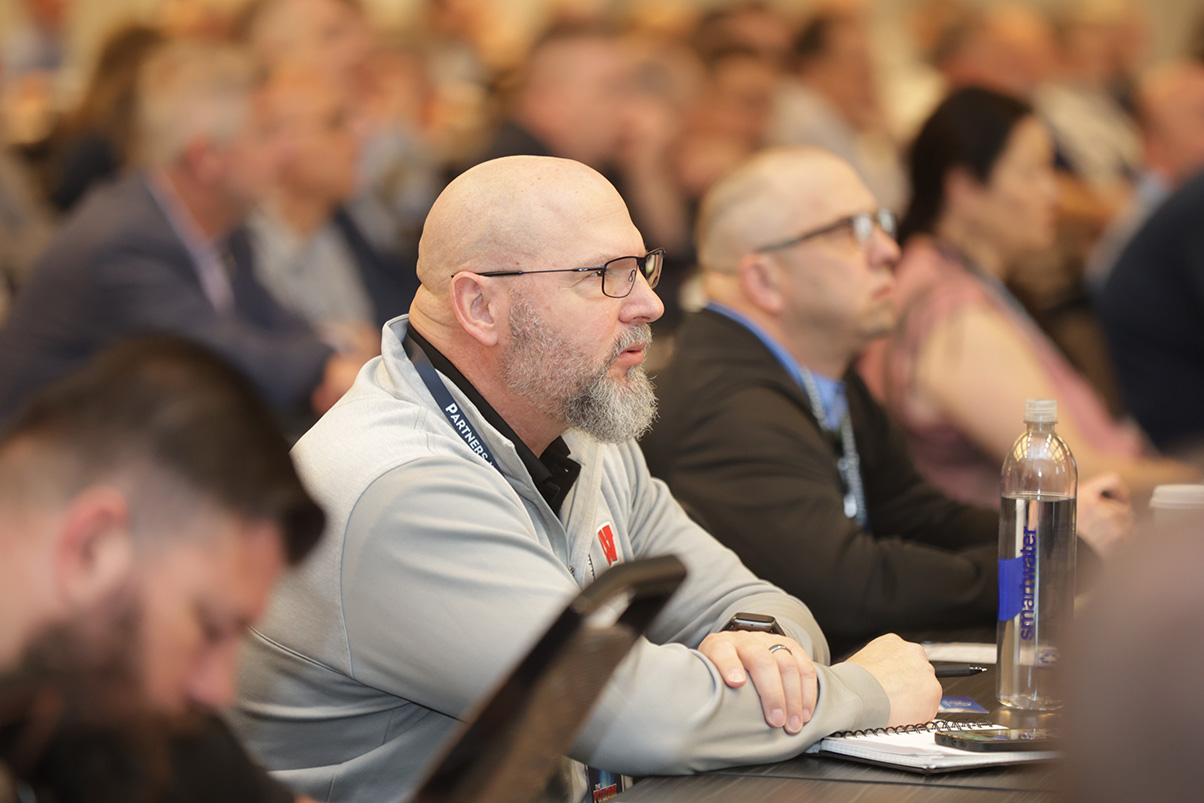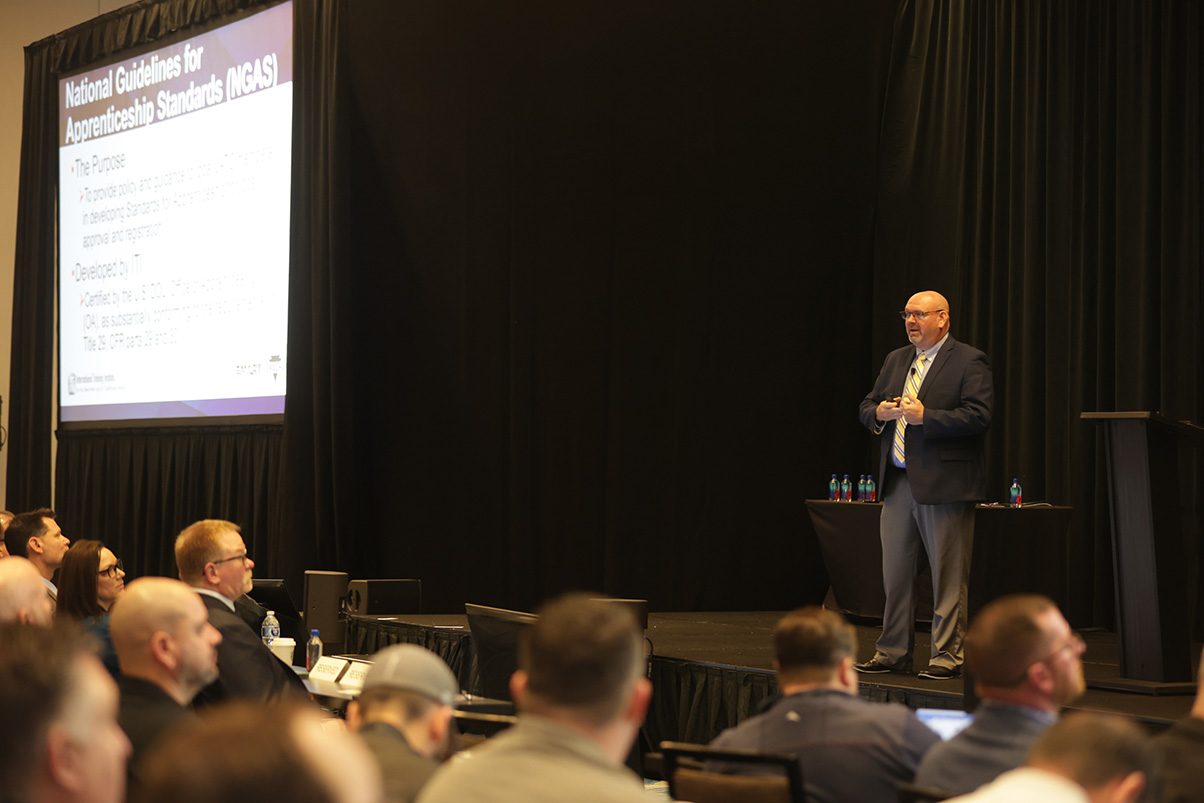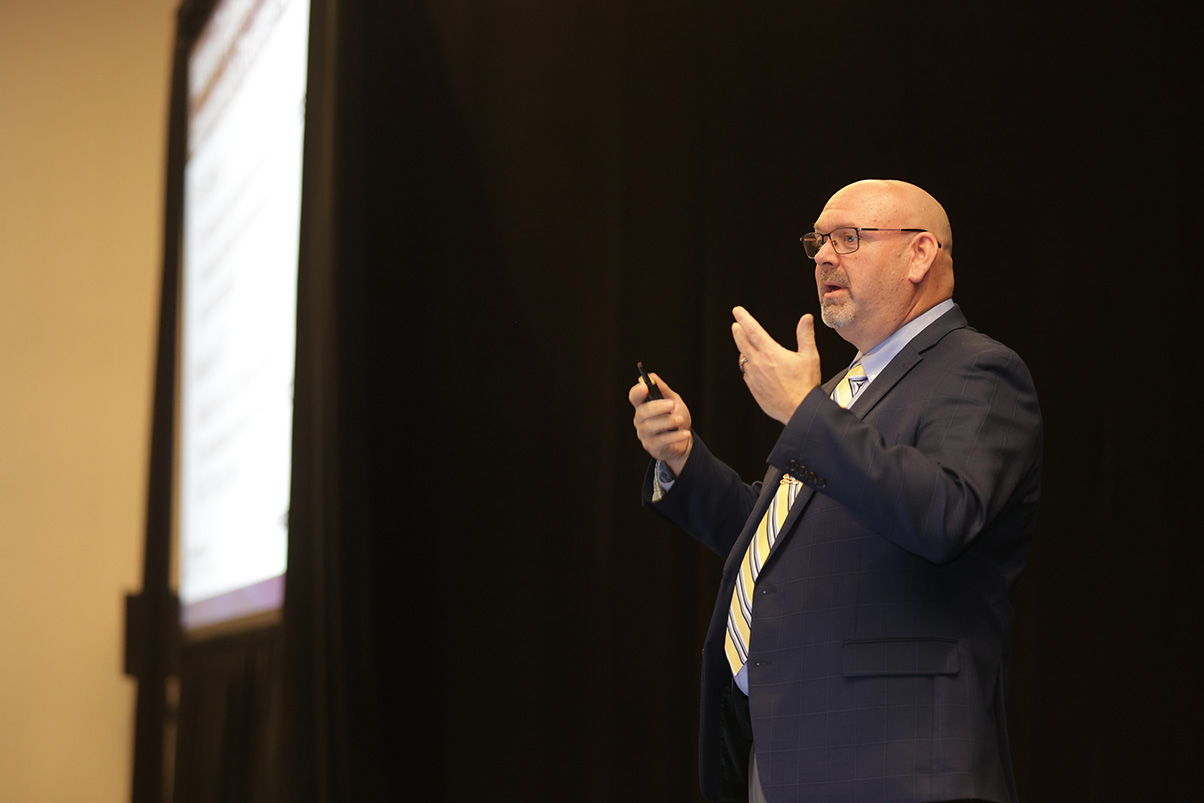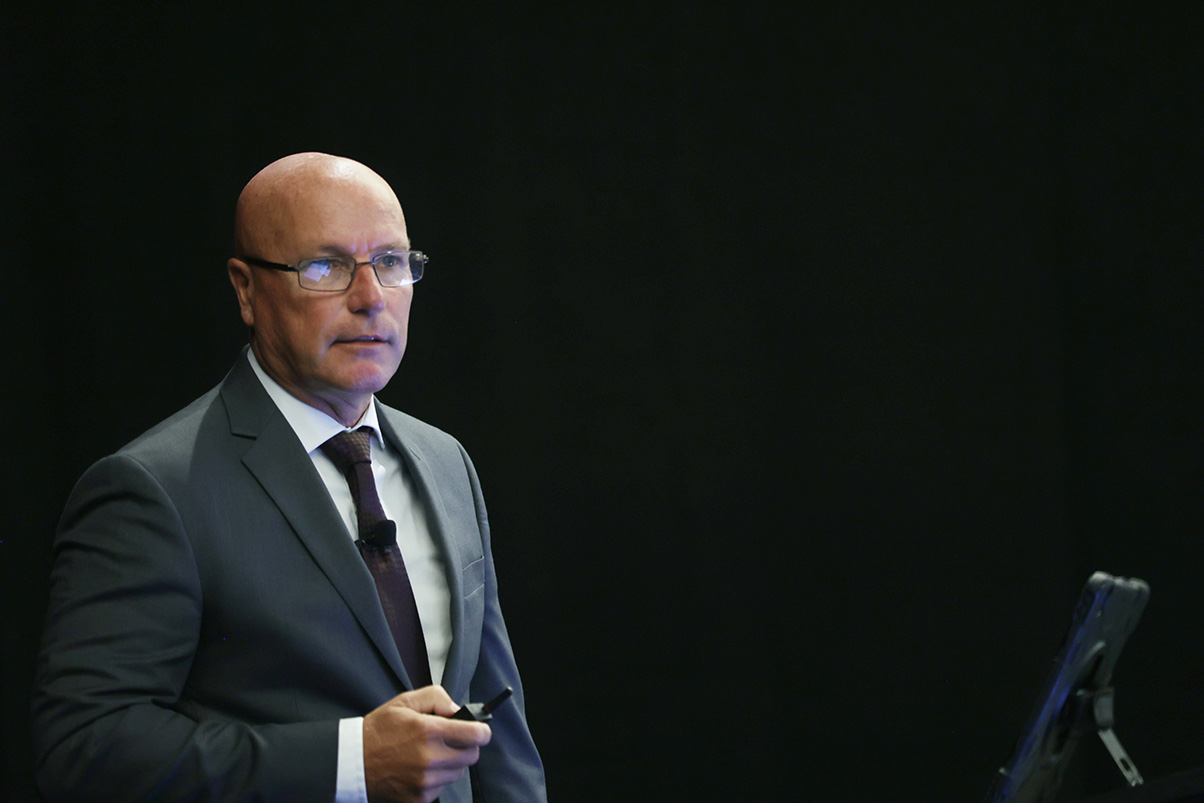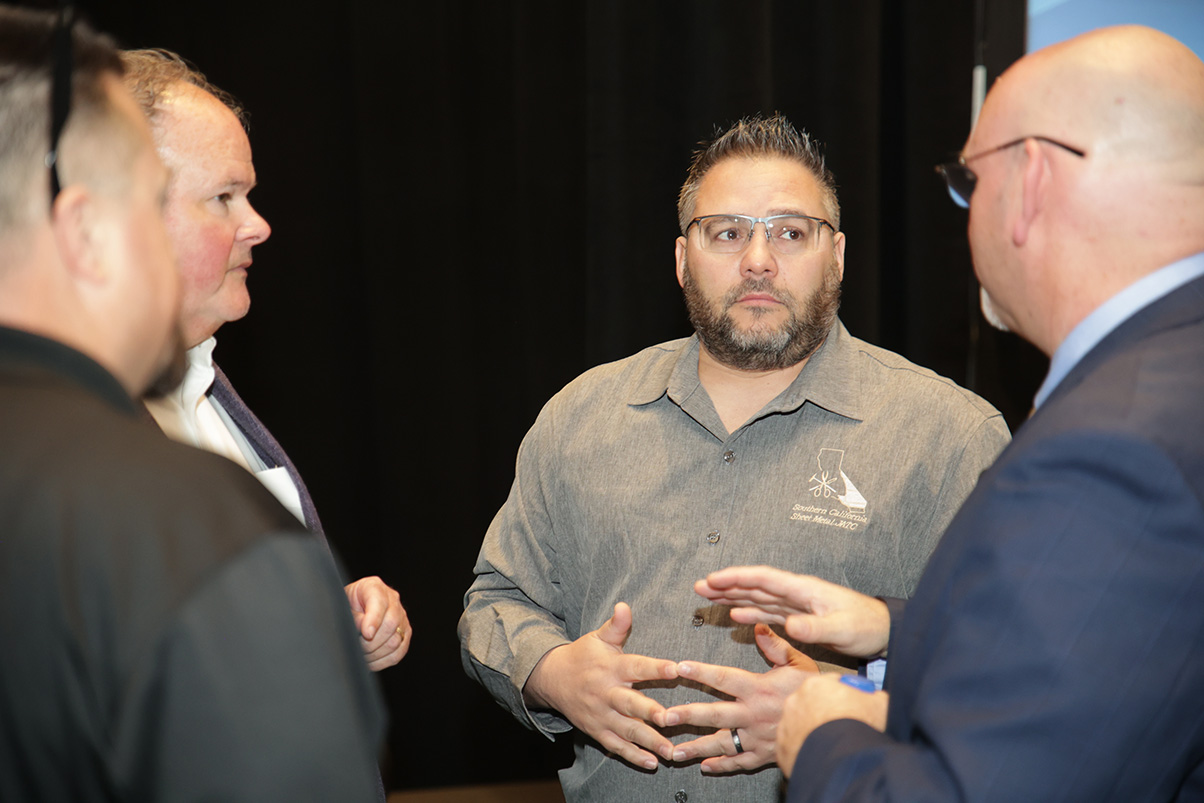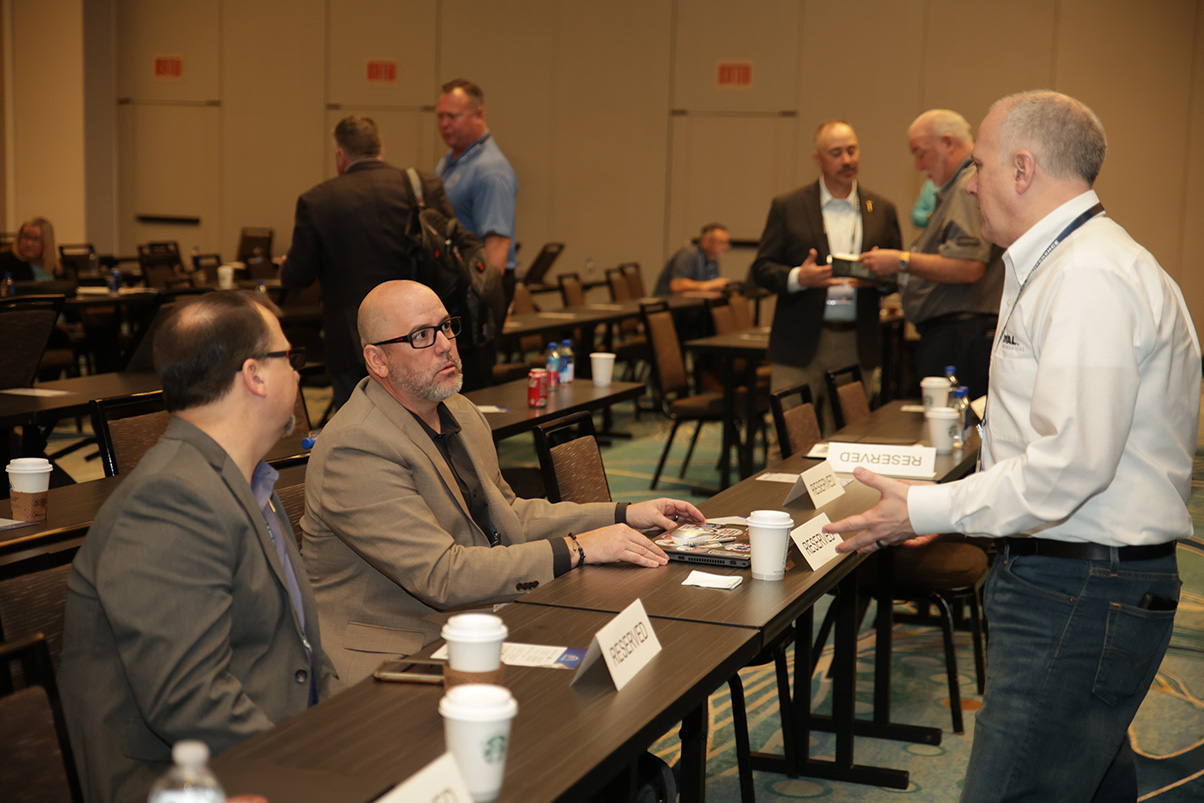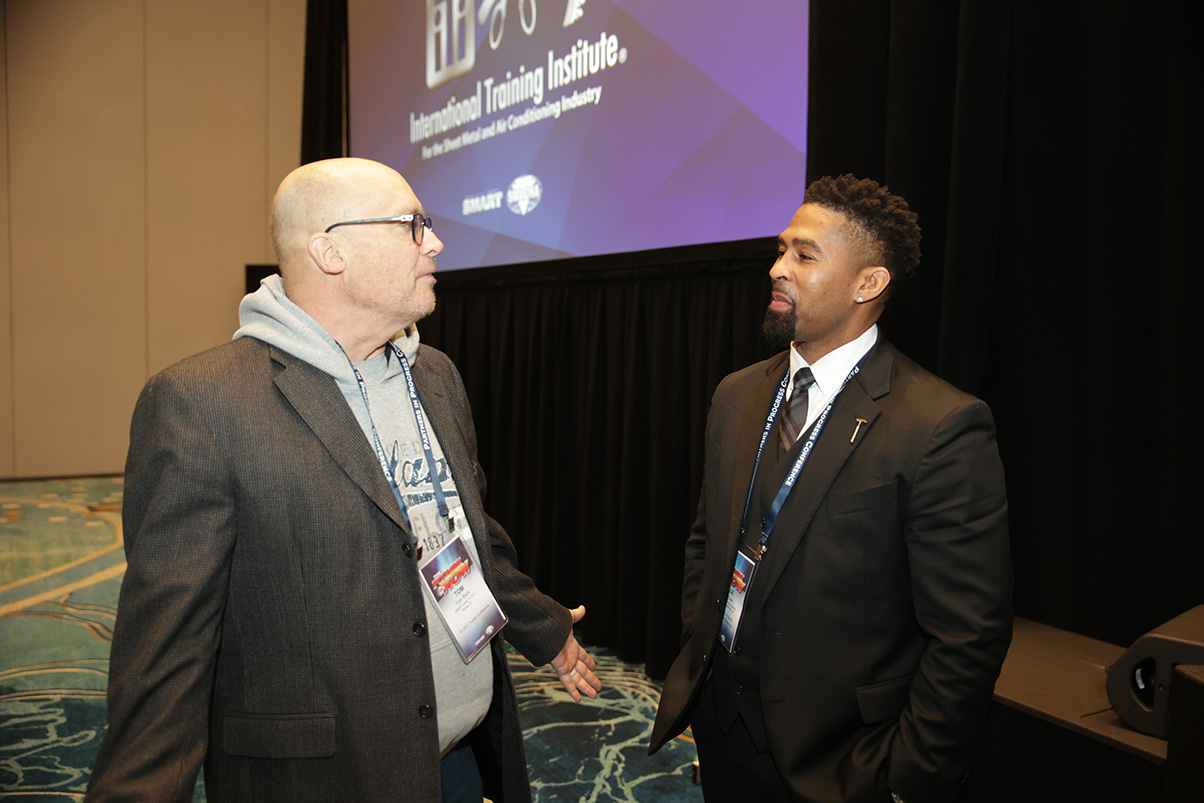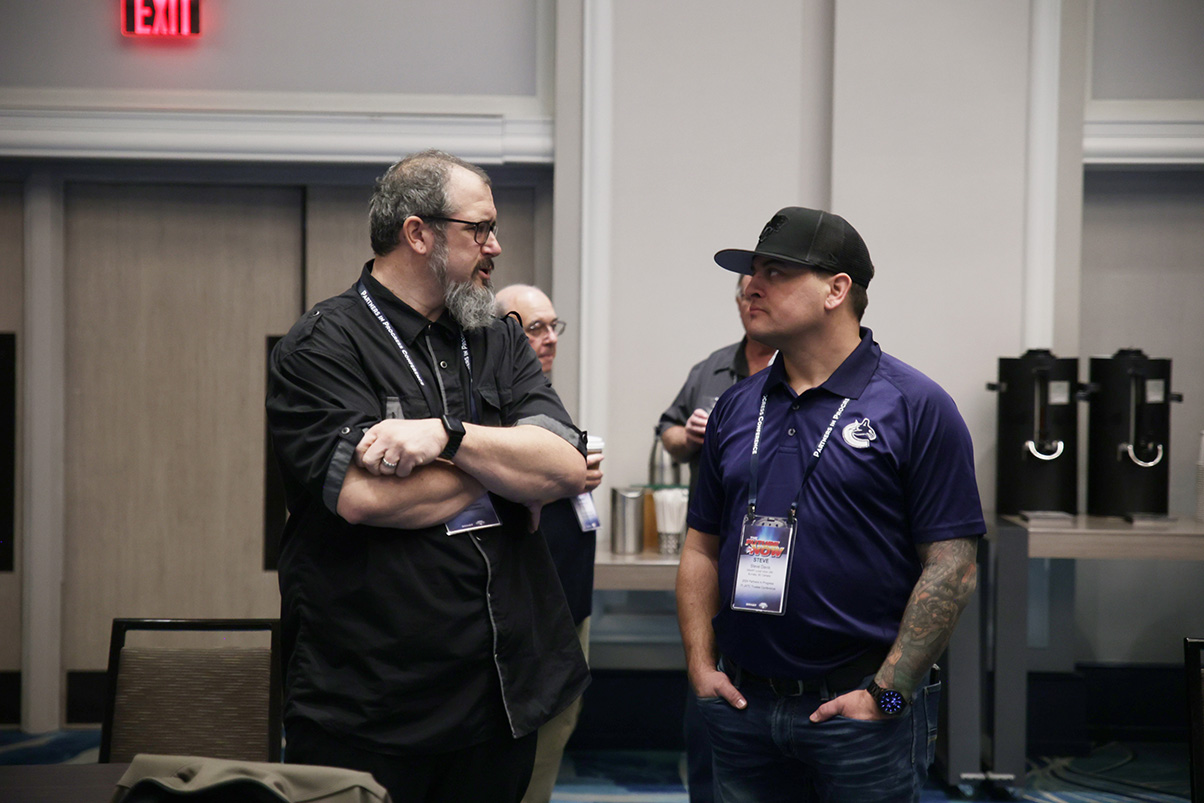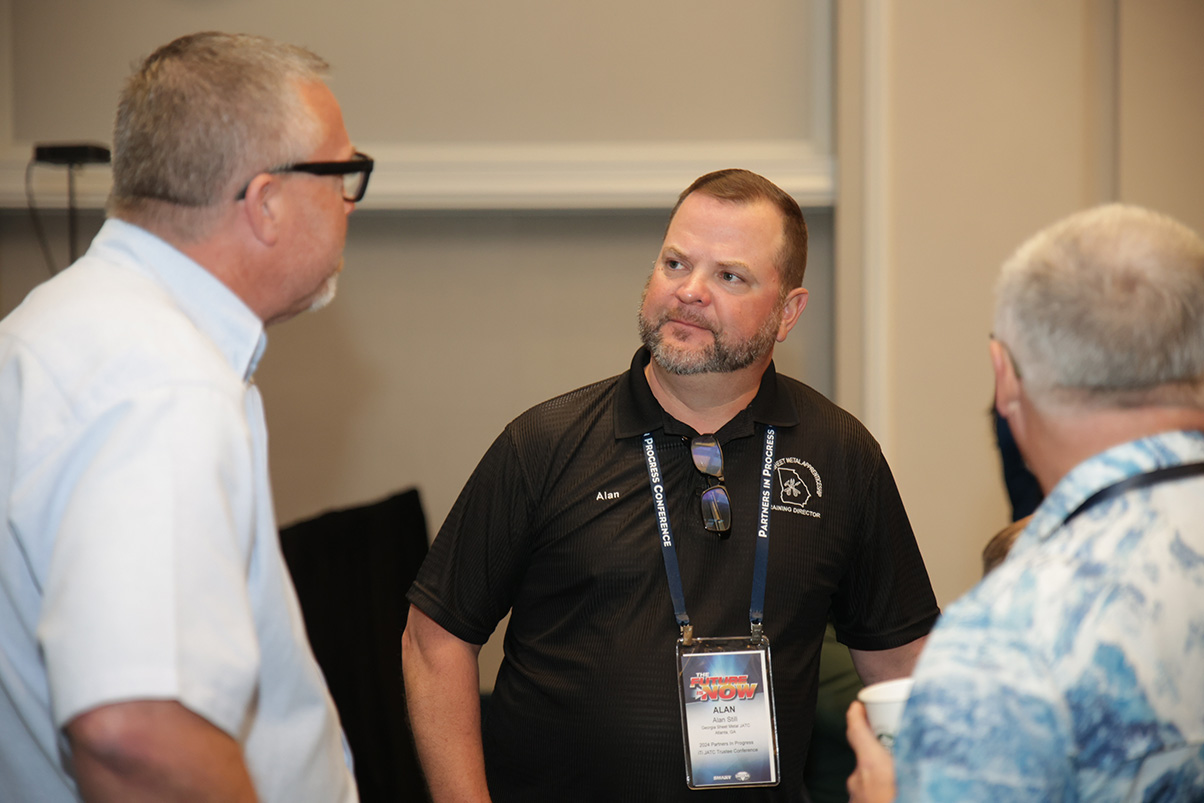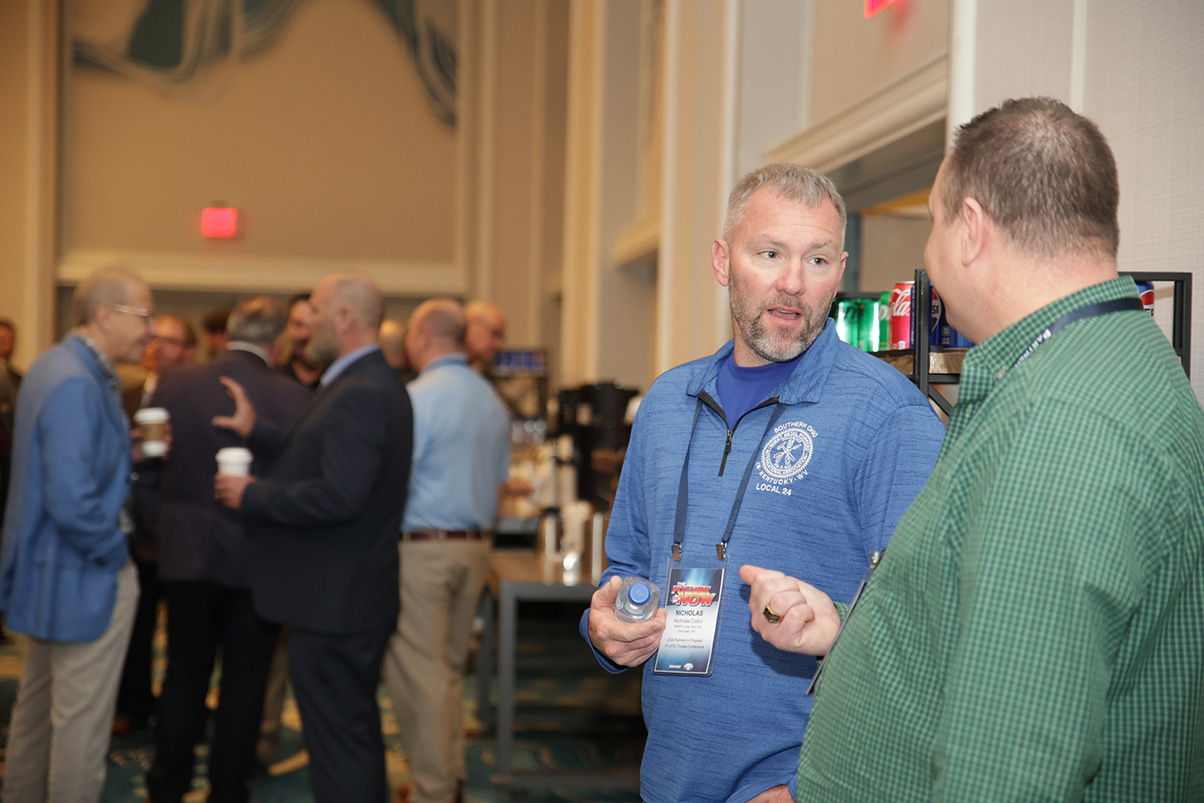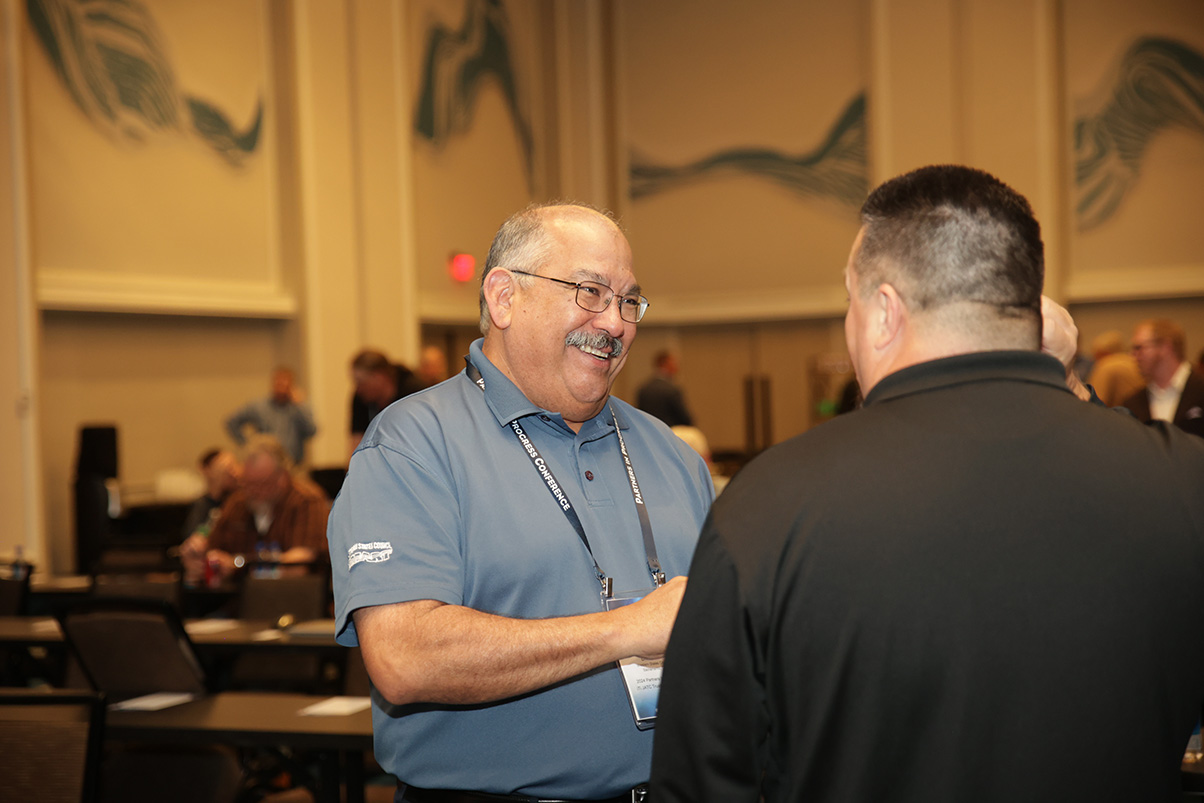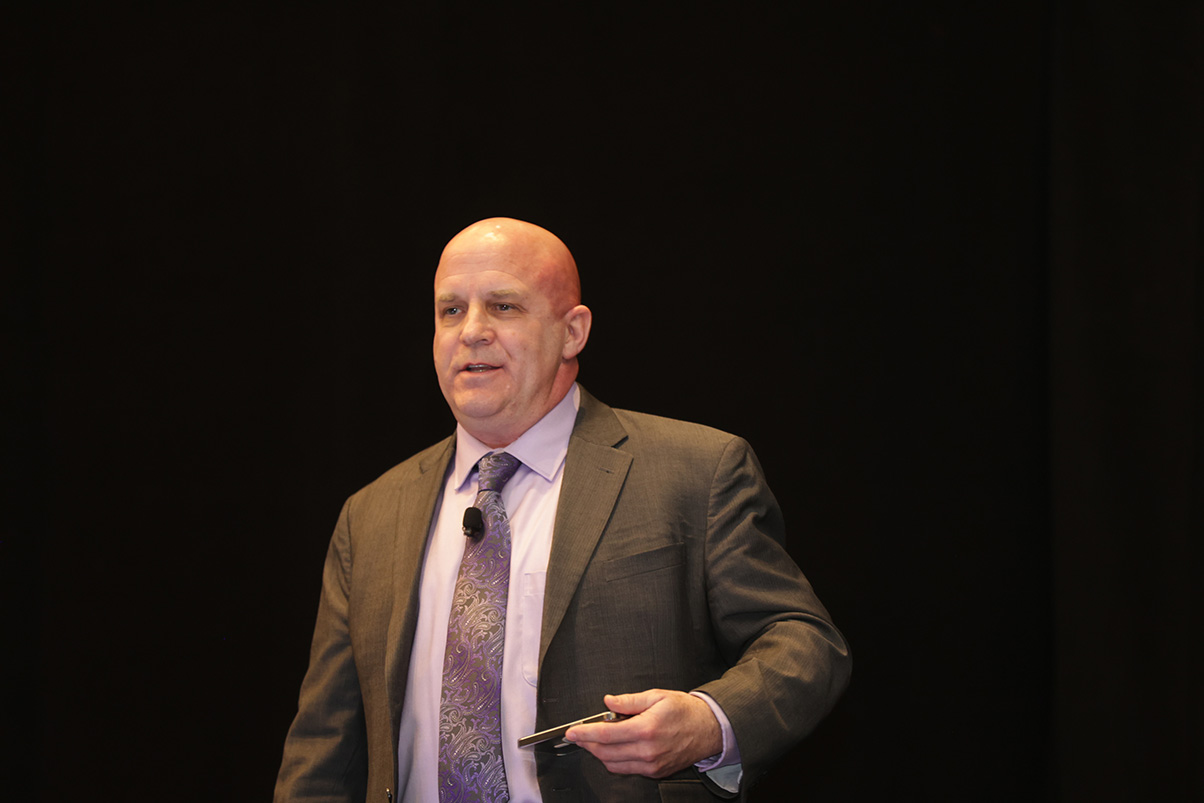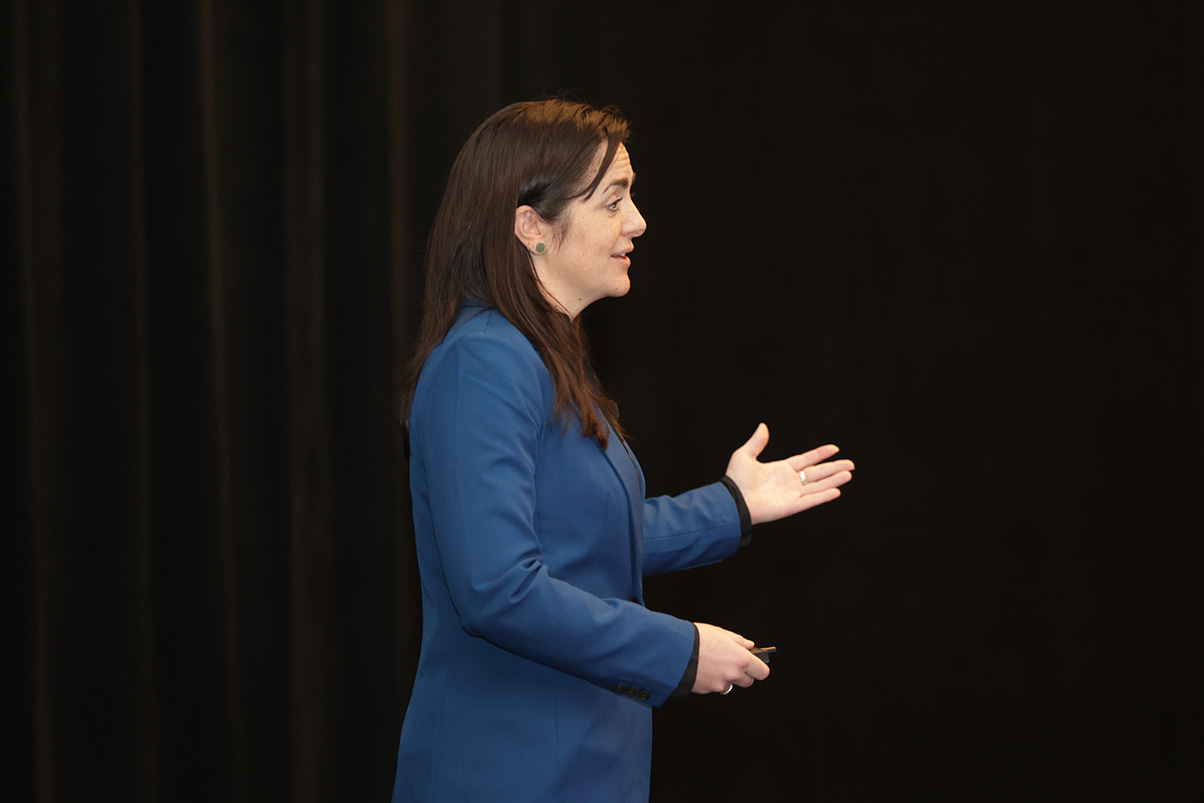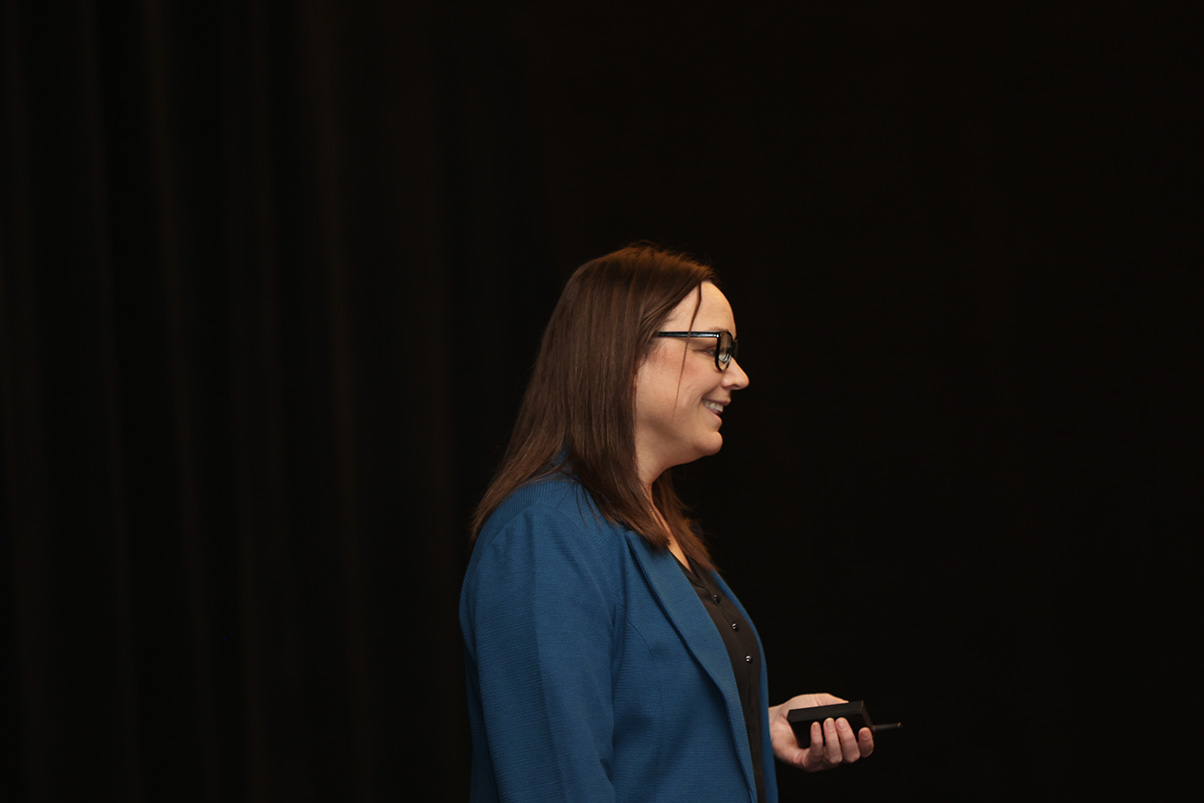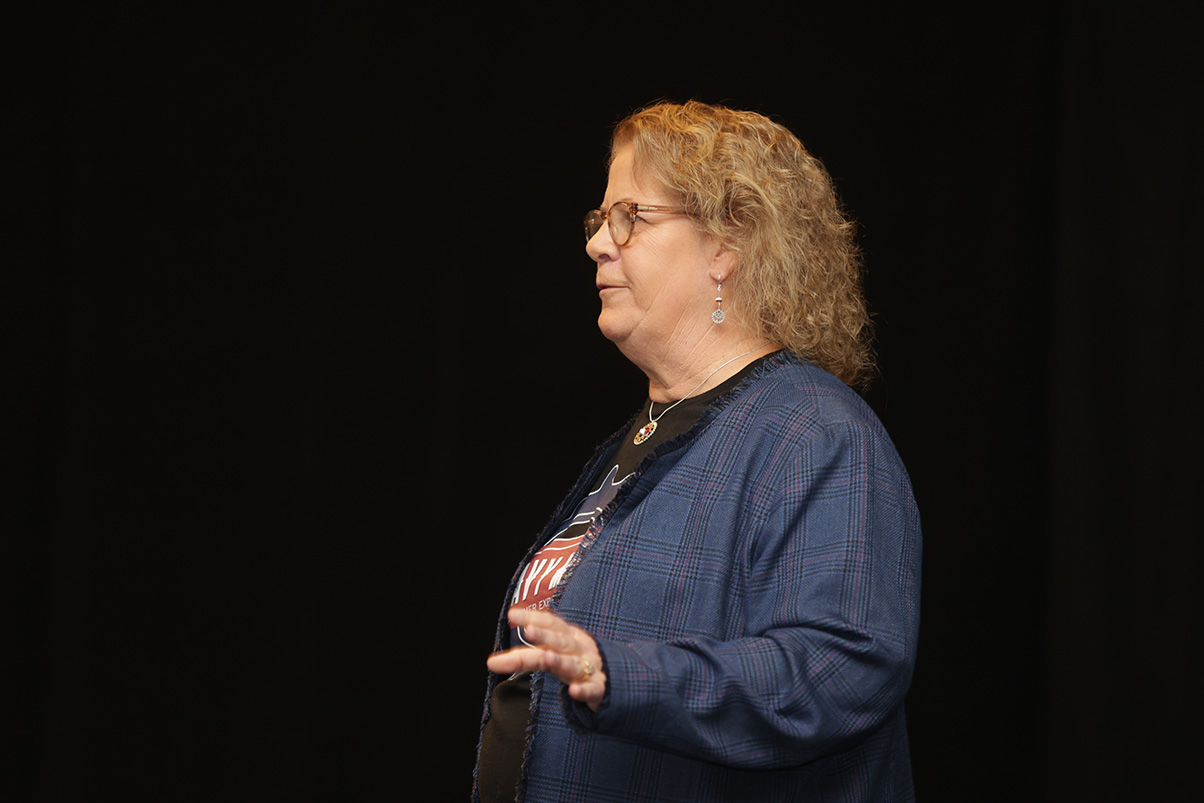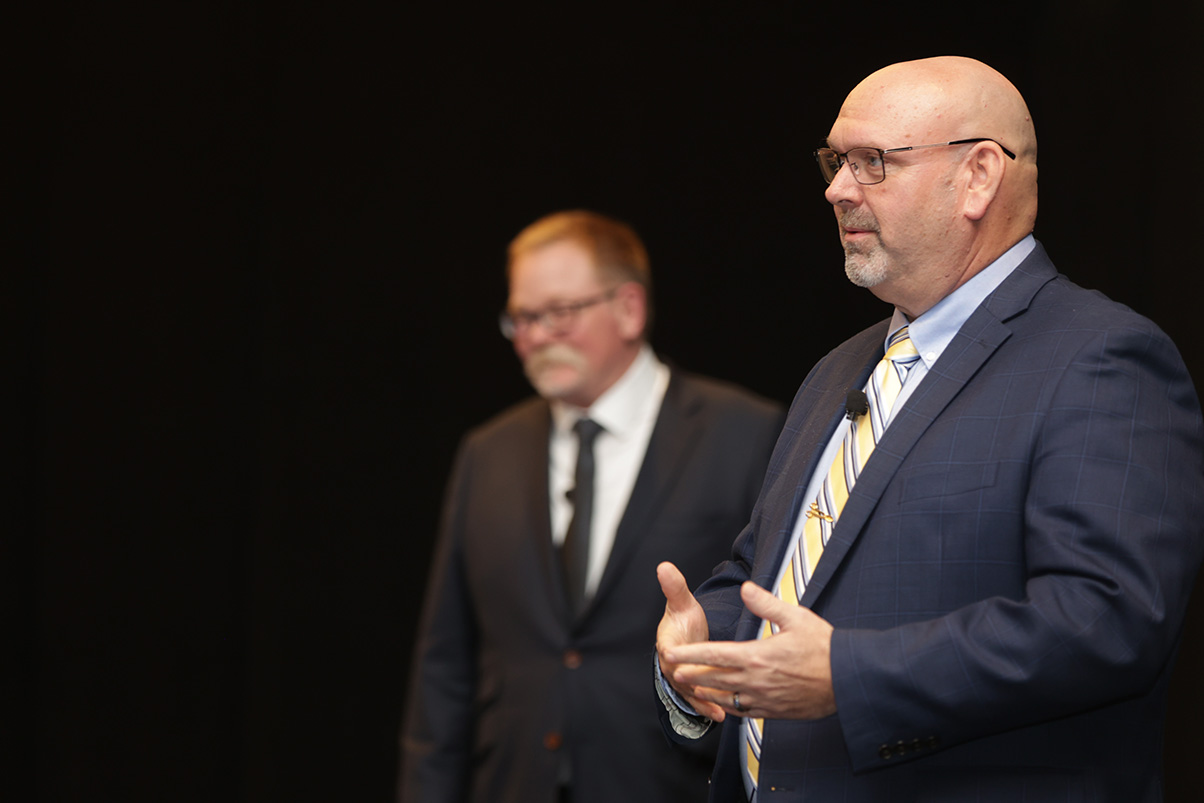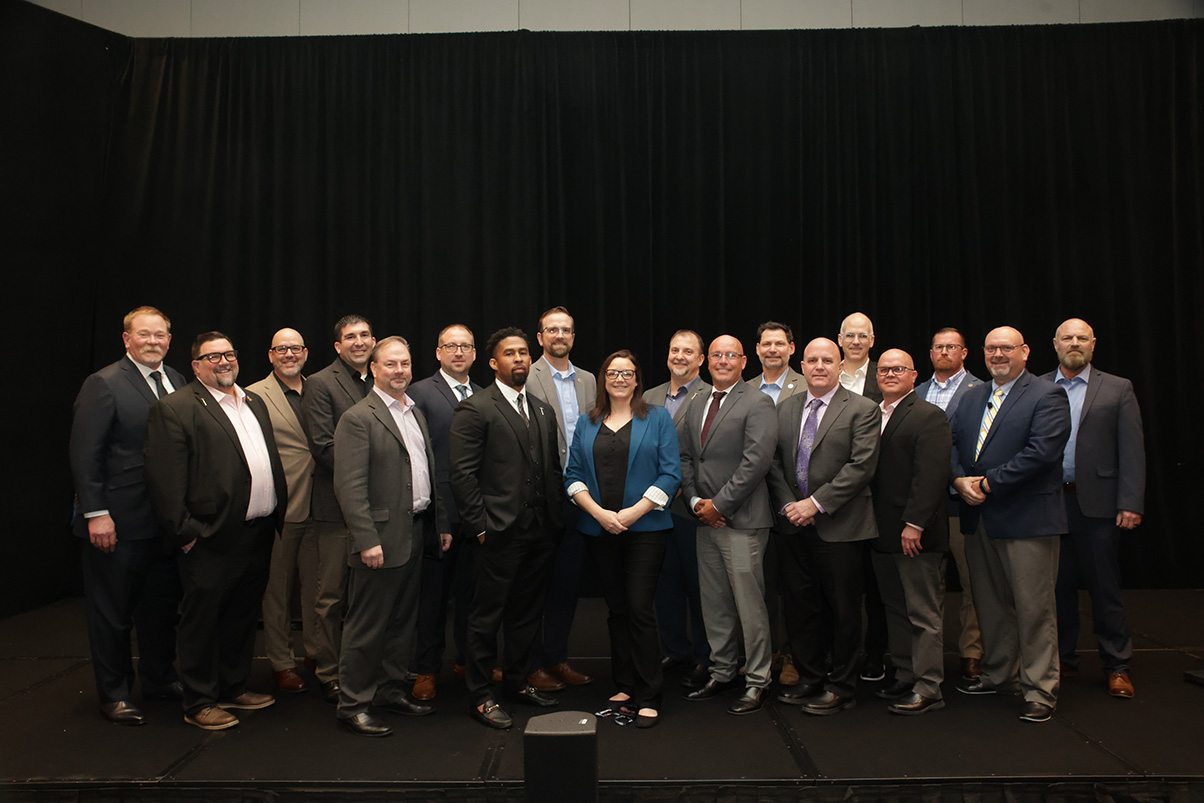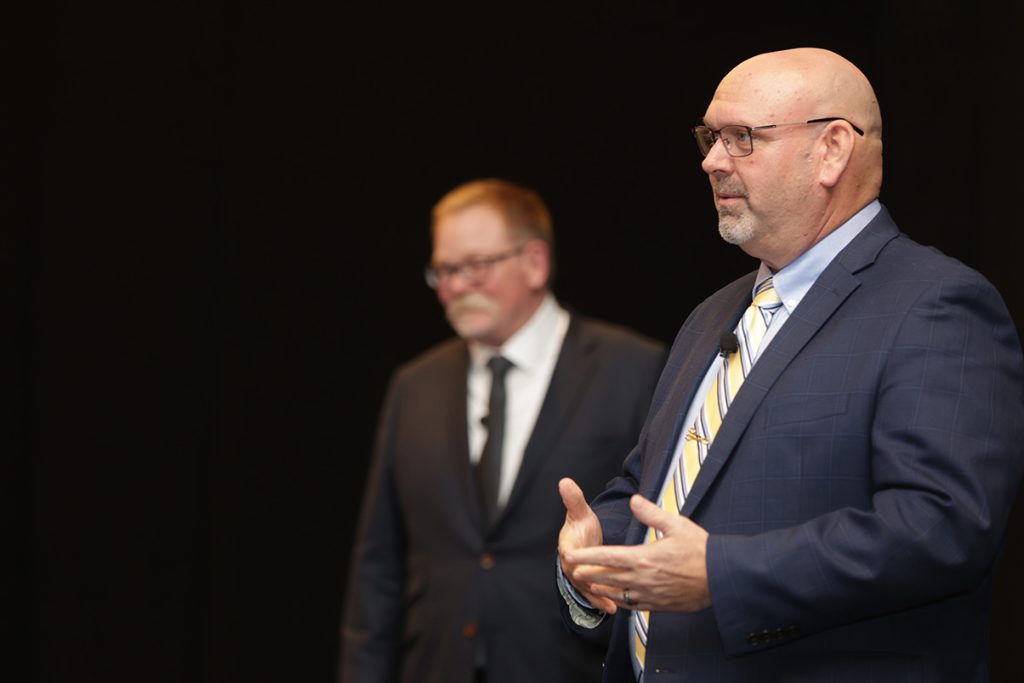
The inaugural JATC Trustee Conference took place Thursday, Feb. 29 at the Walt Disney World Dolphin Resort in Orlando, Florida, at the end of the Partners in Progress Conference. The gathering brought more than 320 training coordinators and JATC trustees together, connecting the ITI with decision-makers at training centers across the United States and Canada.
The event was a result of the ITI’s strategic planning session held a year ago, which identified some gaps in communication between the ITI and the JATC trustees. These trustees, working with the training coordinator, essentially decide the path, goals and instruction at more than 148 training centers across the United States and Canada. This conference was one of the first steps to make sure all interested parties and stakeholders in apprenticeship training had the most up-to-date information or knew where to find it.
First, by way of introduction — the ITI is not Big Brother and it’s not here to tell JATCs what to do with their programs, said Matt Cramer, ITI trustee and owner of Dee Cramer out of Holly, Michigan, who opened the conference with SMART General President Mike Coleman.
The conference agenda was created to help trustees understand the ITI, see what curriculum looks like, hear about updates to curricula coming soon, and see how training is adapting to the changing needs of the workforce and how new technology is helping the industry become “best in class,” Coleman added.
The ITI is there for support, not control. That goes for NEMI and SMOHIT, too, added Mike Harris, ITI administrator: “You have a group of Funds, a team that works for you.”
The ITI can provide a wide picture of apprenticeship across the country, allowing local trustees to see where industry standards and trends are headed. Over the last year, the ITI has encouraged coordinators to re-examine their apprenticeship standards.
“Standards are your Bible. They are your rulebook,” Harris said. “Be sure, before you submit them, you understand what you’re submitting, what you’re going to follow.”
Using the National Guidelines for Apprenticeship Standards (NGAS), Harris took the attendees through the minimum national requirements, illustrating what they could be losing on at a local level by using one word instead of another.
For instance, whether or not a potential apprentice holds a driver’s license or high school diploma can eliminate them from the applicant pool before they even fill out the paperwork because of self-imposed JATC requirements. Other details include whether entrance exams are in use, what they test for and how those exam results are used. The difference between requiring versus recommending a diploma can keep a JATC from accepting talented apprentices who didn’t officially finish high school.
“Some of the best sheet metal workers I’ve ever worked with didn’t have their high school diploma,” Harris said. “It’s one word, but one word can eliminate a bunch of applicants. If you use the word ‘recommended,’ that gives you some flexibility. One word you can use is ‘preferred’ and give extra points to those who have it. If they aren’t qualified to be an apprentice, they will eliminate themselves from contention. This is what we’re seeing on a national level.”
Harris and the ITI staff also went over the accreditation criteria, the loan program and the grant program, which allows JATCs to apply for a variety of grants for equipment and training based on their accreditation status.
“Change is inevitable. Growth, that is entirely optional,” said Len Liebert, ITI program administrator. “You have to have a growth mindset. We have all the resources here available to help you; you just have to reach out and ask. I have yet to see the ITI trustees deny a grant that was filled out correctly and with good purpose.”
And to reach the highest level of accreditation, which comes around for renewal every five years, coordinators need the help of their entire staff and trustees, Liebert said.
“At the end of the accreditation process, coordinators are going to know their jobs better than they did when they started it,” Liebert added. “It’s doable. It’s achievable. It’s hard work. And coordinators can’t get it done without their trustees.”
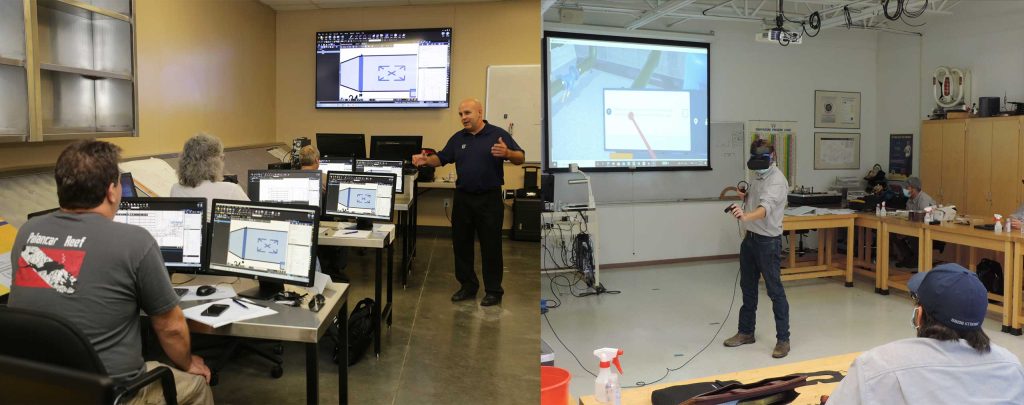
The ITI doesn’t have time to be reactive. Technology, industry trends, JATC support and curricula development keep instructors, coordinators and JATC trustees moving apprenticeship programs in the right direction, said Ron McGuire, ITI director of virtual design and construction (VDC) and technology training.
“Times have changed, and we need to change with them,” McGuire said about technology advances in the industry. “We have to be proactive.”
Current curricula releases include Fire Smoke Damper Technician (second edition), Reading Plans and Specs (second edition) and Welding for the Sheet Metal Industry. The new SMACNA manuals, in addition to all curricula, are digitally available. Online, the ITI currently has 33 courses available, including three non-member courses for trustees and non-member employees of a JATC.
Recruitment and retention are yet another focus of the ITI as it keeps aware of trends and how best to attract and keep future journeypersons while they’re still in training. The use of Apprentice Readiness Programs (ARPs), targeting social media and websites to reach the desired age group, mentoring and direct entry for experience gained are just some of the ways to attract new people to the sheet metal trade, said Tammy Meyen, ITI recruitment and retention specialist.
“These are highly qualified candidates, so we have to put our best foot forward,” Meyen said. “They know exactly what it is they bring to the table.”
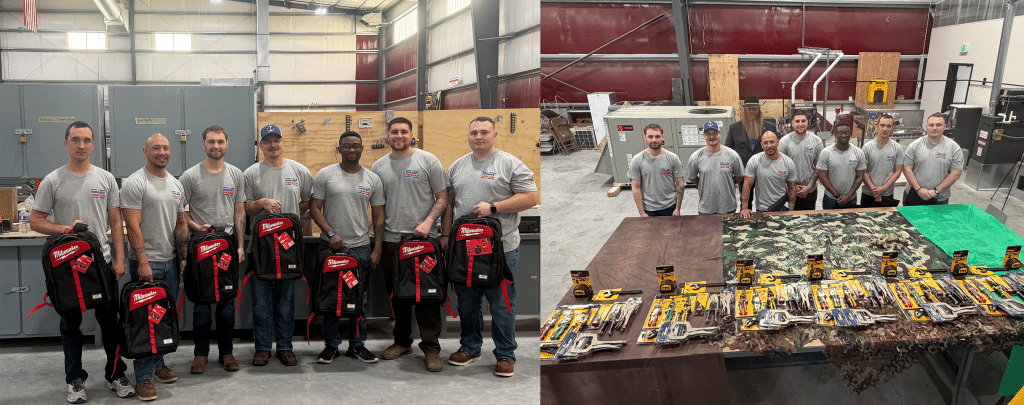
One way to get a good look at the next generation of apprentices is through the Heavy Metal Summer Experience, created by Angie Simon, former SMACNA president, who introduced the program to conference attendees. The nonprofit organization is meant to familiarize high school students and recent high school graduates, preferably ages 16 to 19, with the mechanical trades.
Since the program’s inception in 2020, contractors and JATCs across the nation have hosted events that double in size and popularity every year, Simon said. During these summer events, students get to try hands-on projects, tour facilities and learn what a career in sheet metal can be. Sponsors of the program include Dewalt, Milwaukee Tool, SMACNA, Procore, Trane and Mestek Machinery.
Simon said JATCs can use the event as an investment in recruitment: “What is the cost of getting new people in the trade? We would like to see all the states filled and most major cities.”
For more information on the Heavy Metal Summer Experience, visit the website at www.hmse.org.
As Liebert said, “A good instructor is not born, they’re built.” The ITI can help JATC instructors stay aware of the most updated information, including technology, training and trends, so apprentices are always on the leading edge of the industry. From online and self-paced courses to in-person training, there is a way for all instructors to continue their educations. Click here to view the course catalog.
“Every one of these classes is geared for instructors to expand their knowledge base and practice,” Liebert said.
In fact, the ITI was created to help anyone involved with the training and mentorship of apprentices — coordinators, instructors and trustees, alike — expand their knowledge base. Every piece of knowledge gained, every loan granted, every grant accepted, every new instructor and coordinator trained and every standard reviewed helps to make all apprenticeship programs better.
The one-day conference, the first of its kind, welcomed more than 320 attendees, most of which were trustees. Communicating with trustees, encouraging involvement and providing information made the event an all-around success, but Harris said he hopes it’s just the beginning.
“We hope you take something back to your JATC to invoke those conversations — why are we doing this? The ‘why’ is huge,” Harris said. “If you don’t understand the ‘why,’ the rest is immaterial.”